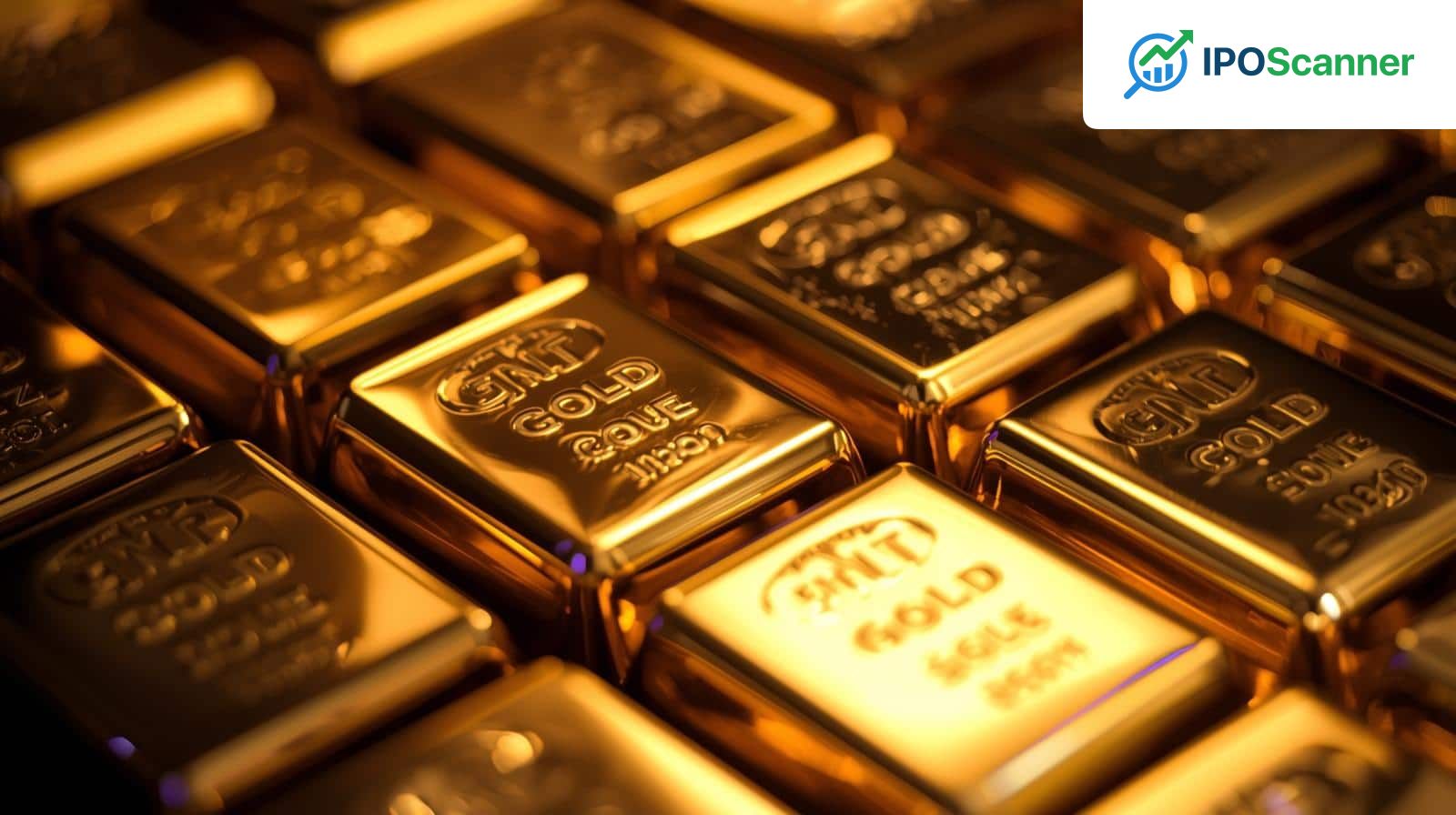
India's Finance Minister Warns Against Buying Gold Amid Robust Forex Reserves
India Seeks to Conserve Foreign Exchange Amid Global Uncertainty
Prime Minister Narendra Modi has urged citizens to avoid buying gold for a year and postpone foreign travel as part of a broader appeal to conserve foreign exchange. The move is aimed at strengthening India's economic resilience in the face of global uncertainty, driven by the West Asia conflict, rising energy prices, and supply-chain disruptions.
Addressing a BJP rally in Hyderabad on Sunday, the Prime Minister emphasized the importance of collective public participation in conserving foreign exchange. He stressed the need to reduce non-essential foreign exchange outflows, including gold purchases and overseas travel. The appeal is part of a broader push for "economic patriotism," alongside measures such as reduced fuel consumption, greater use of public transport, work-from-home systems, natural farming, and support for swadeshi products.
Gold Imports: A Key Concern
Read also: Treasury Yields Experience Largest Increase in Two Weeks Following Release of Labor Market Data
India is one of the world's largest importers of gold, with domestic demand heavily dependent on overseas purchases. Since these imports are paid for in dollars, large-scale gold buying increases pressure on India's import bill and foreign exchange reserves. The concern becomes more significant when global crude oil prices are elevated, as India also imports nearly 85% of its oil requirements.
| Import | India's Share |
|---|---|
| Gold | 100% (world's largest importer) |
| Oil | 85% |
Reducing discretionary imports like gold can help ease pressure on the rupee, improve trade balances, and preserve forex buffers during periods of global volatility. India's forex reserves remain strong, despite the cautionary appeal.
India's Forex Reserves: A Robust Position
Read also: US-Iran Tensions Spark Uptick in Oil Prices Amid Global Market Decline
According to the Reserve Bank of India's latest half-yearly reserves management report, India's forex reserves stood at $691.11 billion at the end of March 2026, enough to provide nearly 11 months of import cover. The report also showed that gold's share in India's forex reserves rose to 16.7% at the end of March, up from 13.92% in September 2025, reflecting higher gold valuations and the RBI's continued diversification strategy.
| Date | Forex Reserves (USD billion) | Gold Share (%) |
|---|---|---|
| March 2026 | 691.11 | 16.7 |
| September 2025 | - | 13.92 |
India held 880.52 metric tonnes of gold reserves by March-end, with over two-thirds, 680.05 metric tonnes, now stored domestically. The rise in gold holdings mirrors a wider global trend, with central banks increasing bullion reserves as a hedge against geopolitical and financial uncertainty.
In addition to postponing gold purchases and foreign travel, PM Modi has also urged citizens to reduce petrol and diesel consumption by using metro rail, car-pooling, EVs, and railway freight services.
Investor Takeaway
Investors should be cautious of potential economic instability and consider diversifying their portfolios.
More in Economy

Treasury Yields Experience Largest Increase in Two Weeks Following Release of Labor Market Data

US-Iran Tensions Spark Uptick in Oil Prices Amid Global Market Decline

MoSPI Releases Uniform Norms for DDP Estimates with 2022-23 Base Year

