India's Ethanol Push Raises Concerns Over Forex Savings and Environmental Benefits
India's Ethanol Push: A Closer Look at the Environmental and Economic Costs
India's push to increase ethanol production and blending has been touted as a rare policy win, promising cleaner fuel, reduced dependence on imported crude oil, and savings in foreign exchange. However, a closer examination reveals that the reality is more complicated.
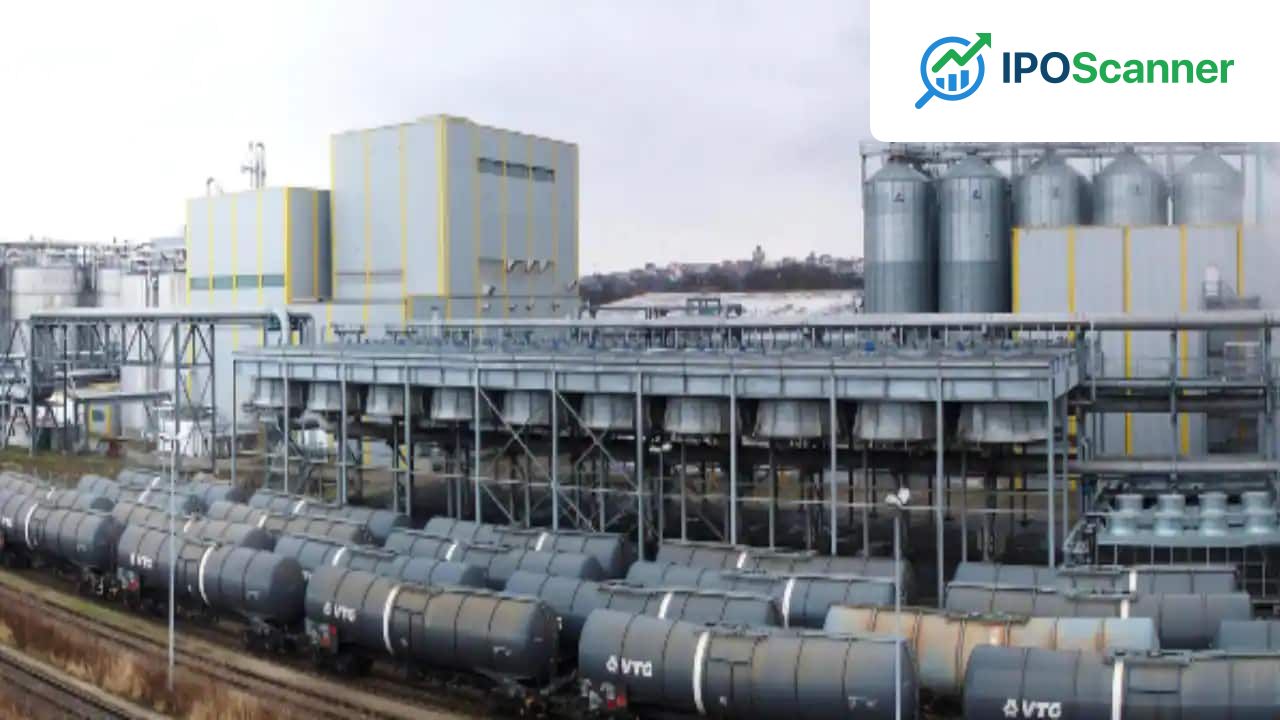
At the heart of the issue is the production of ethanol at scale, which requires large amounts of water-intensive crops such as sugarcane, rice, and maize. Estimates suggest that producing a litre of ethanol from sugarcane requires approximately 3,000-4,000 litres of water across the cultivation cycle, while rice-based ethanol can exceed 10,000 litres. Of the roughly 400 ethanol manufacturing units in India, nearly 250 are grain-based, relying on feedstocks such as maize and rice which consume more water than sugarcane.
This imbalance is already evident on the ground, with sugarcane grown on less than 4% of cropped land in Maharashtra consuming nearly 70% of irrigation water. Expanding ethanol-linked cane cultivation in such regions risks worsening an already fragile water balance.
Read also: Treasury Yields Experience Largest Increase in Two Weeks Following Release of Labor Market Data
Beyond the environmental costs, higher output means greater use of chemical fertilisers and more electricity for irrigation. India's power system remains overwhelmingly coal-based, with roughly three-fourths of generation coming from thermal sources. Increasing the use of ethanol-blended petrol therefore does not eliminate emissions; at best, it shifts them from vehicles to farms and power plants.
| Fuel Type | Emissions (g CO2e/L) |
|---|---|
| Petrol (100% crude oil) | 2.35 |
| Ethanol-blended petrol (E20) | 2.03 |
| Sugarcane-based ethanol | 1.59 |
| Rice-based ethanol | 2.51 |
The second pillar of the ethanol story, that it reduces import dependence and saves foreign exchange, is also overstated. While higher blending does replace imported crude oil with domestically produced ethanol, this argument overlooks the imported inputs required to produce that ethanol, such as chemical fertilisers and natural gas.
Expanding ethanol production increases demand for these inputs, offsetting a meaningful share of the foreign exchange savings from lower crude oil imports. Energy is another factor, with irrigation for water-intensive crops relying heavily on electricity and diesel, while ethanol distillation itself is energy-intensive.
Read also: US-Iran Tensions Spark Uptick in Oil Prices Amid Global Market Decline
In other words, ethanol does not eliminate import dependence so much as reconfigure it, reducing crude oil imports at the margin while increasing reliance on other imported inputs. What appears as a forex saving at the fuel pump is, in reality, partly offset elsewhere in the system.
Consumers, too, remain wary, as ethanol's lower energy density can reduce vehicle mileage, increasing the effective cost of vehicle ownership over time.
India's ethanol push is often presented as a solution that delivers on climate, energy security, and rural incomes simultaneously. However, the reality is more complicated. The environmental gains are uncertain, and the forex savings overstated. At the same time, the policy is beginning to create distortions of its own.
India needs roughly 11 billion litres of ethanol to meet its E20 target, against an installed capacity of about 20 billion litres, implying utilisation of barely 55%. Sugar mills and distilleries have invested over ₹40,000 crore to ramp up ethanol production, yet a significant share – as high as 45% – remains un-utilised, with adverse financial implications for the country's sugar ethanol industry.
Unless ethanol consumption rises materially, distilleries will continue to run below capacity, compressing returns on investment. The industry's push for higher blending is therefore not just about policy – it is about absorbing excess capacity.
This raises a broader concern: the risk of excess capacity and stranded investment in a sector driven as much by policy incentives as by market demand. That, in turn, helps explain the push to take ethanol blending beyond 20%.
In conclusion, India's ethanol programme is not without merit, but it is being oversold. Framed as a clean, self-reliant, and economically prudent alternative, it obscures the trade-offs embedded in its production cycle and supply chain. A more honest assessment would recognise that ethanol blending shifts costs rather than eliminates them – moving environmental pressures upstream and redistributing import dependence across inputs. As India scales up its energy transition, the focus should be on solutions that genuinely reduce resource intensity and external dependence, rather than those that merely repackage them.
Investor Takeaway
India's ethanol push may not be as environmentally friendly as claimed, which could impact foreign exchange savings and energy security.
More in Economy

Treasury Yields Experience Largest Increase in Two Weeks Following Release of Labor Market Data

US-Iran Tensions Spark Uptick in Oil Prices Amid Global Market Decline

MoSPI Releases Uniform Norms for DDP Estimates with 2022-23 Base Year

