India's Ethanol-Based Energy Strategy Faces Criticism, but Experts Argue for Its Benefits
India's Ethanol Debate: Separating Fact from Fiction
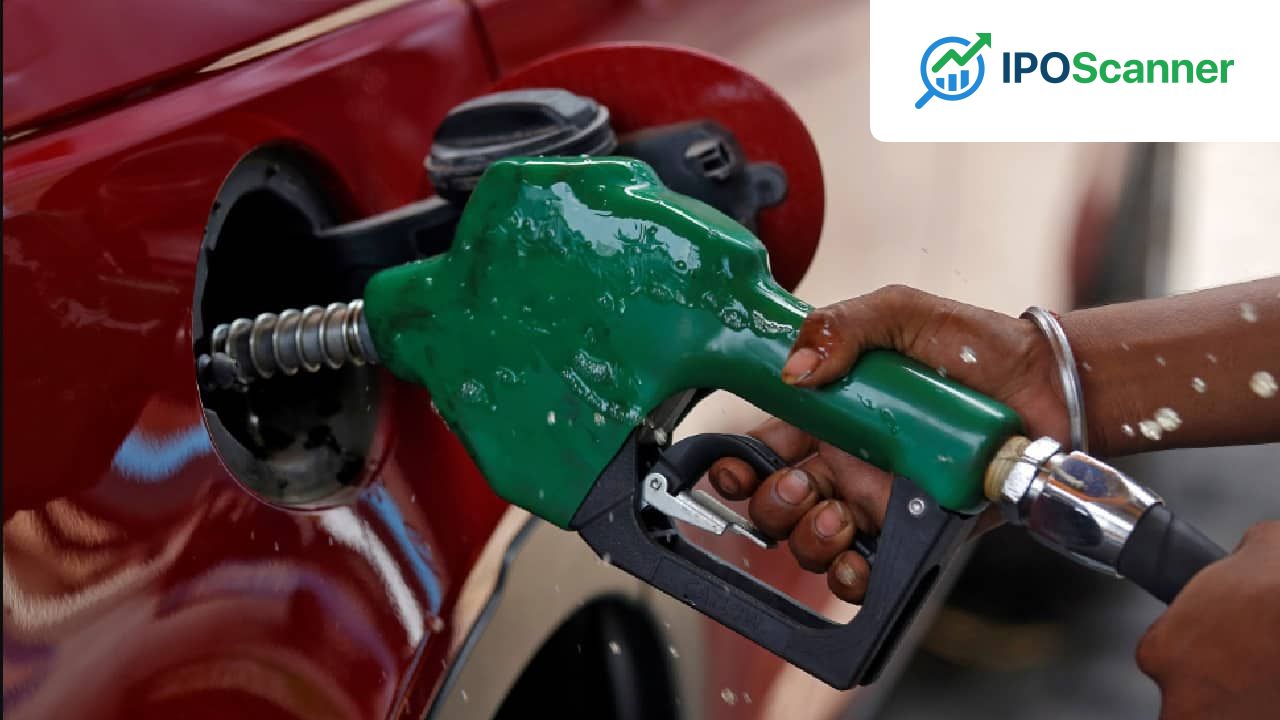
India's ethanol debate has been reduced to a single question: does blending fuel with ethanol worsen water stress? This concern, while serious, is also misplaced. By focusing narrowly on crop-level water consumption, critics risk overlooking a far more consequential reality—that ethanol is central to India's long-term energy security, and that much of the water attributed to it has already been spent long before the fuel is produced.
Import Dependence on Crude Oil
India imports close to 88-89% of its crude oil requirement, making it one of the most energy-vulnerable large economies in the world. This dependence exposes the country to external shocks, currency pressures, and inflationary risks. Ethanol blending, under the Ethanol Blended Petrol (EBP) programme, is designed precisely to address this vulnerability. The results are already visible.
Data Highlights
| Metric | ESY 2014-15 to February 2026 |
|---|---|
| Foreign Exchange Savings | Rs 1,70,560 crore |
| Net CO2 Reduction | Approximately 869 lakh metric tonnes |
| Crude Oil Substitution | 289 lakh metric tonnes |
| Farmer Payments | Rs 1,50,925 crore |
From 2014-15 to February 2026, the Ethanol Blended Petrol programme delivered significant foreign exchange savings, achieved a net CO2 reduction, substituted crude oil, and provided substantial payments to farmers. These results demonstrate the programme's potential to transform millions of grains and sugarcane growers into energy providers.
The Water Argument
Read also: RBI Policy Preview: A Cautionary Wait Ahead
The water dimension of grain ethanol is more nuanced than its critics allow. Of the three primary feedstocks—sugarcane, rice, and maize—maize is the least water-intensive, consuming 2.57 kilolitres of water per litre of ethanol, against 3 kilolitres for both sugarcane and rice. Maize is also predominantly rain-fed, drawing on monsoon precipitation rather than groundwater extraction. In ESY 2023-24, grain overtook sugar as the dominant ethanol source, and within grain, maize leads.
Policy Architecture and Environmental Correction
The policy architecture is moving in the right direction, with the government already allocating roughly 90 lakh tonnes of broken rice annually for the ethanol sector. This grain cannot re-enter the food supply chain, as it fails quality standards and exceeds mandated buffer norms. The water required to grow that rice was spent at the farm gate, not at the distillery. Converting stranded agricultural surplus into fuel, foreign exchange, and rural income is waste-to-wealth policy at industrial scale.
Groundwater Crisis
India's groundwater depletion is a genuine crisis, but it has been the result of free and subsidised electricity for tubewell irrigation, which has incentivised extraction without economic consequence since the Green Revolution. MSP incentives have locked farmers across semi-arid geographies into paddy cultivation that their aquifers cannot support. Ethanol production is not an obstacle to addressing this crisis; it is, through its forex savings and Rs 30,000 crore in rural capital investment, part of the fiscal foundation from which solutions can be built.
Attribution Error
Calling grain ethanol a water villain is not an argument; it is an attribution error, one that misidentifies a marginal and recent industrial user as the cause of a structural agricultural and governance failure that has been four decades in the making. India's water table needs fixing, and so does the reasoning that proposes dismantling one of the country's most consequential energy programmes to do it.
Investor Takeaway
India's ethanol-based energy strategy is crucial for long-term energy security, despite concerns about water stress.
More in Economy

FirstClub Secures $55 Million in Funding from Peak XV, Sofina, and Other Investors 9 Months After $22 Million Series A Round
RBI Policy Preview: A Cautionary Wait Ahead

RBI Rate Cuts May Come to an End Amid Rising Oil Prices and Weakening Rupee: Expert Analysis