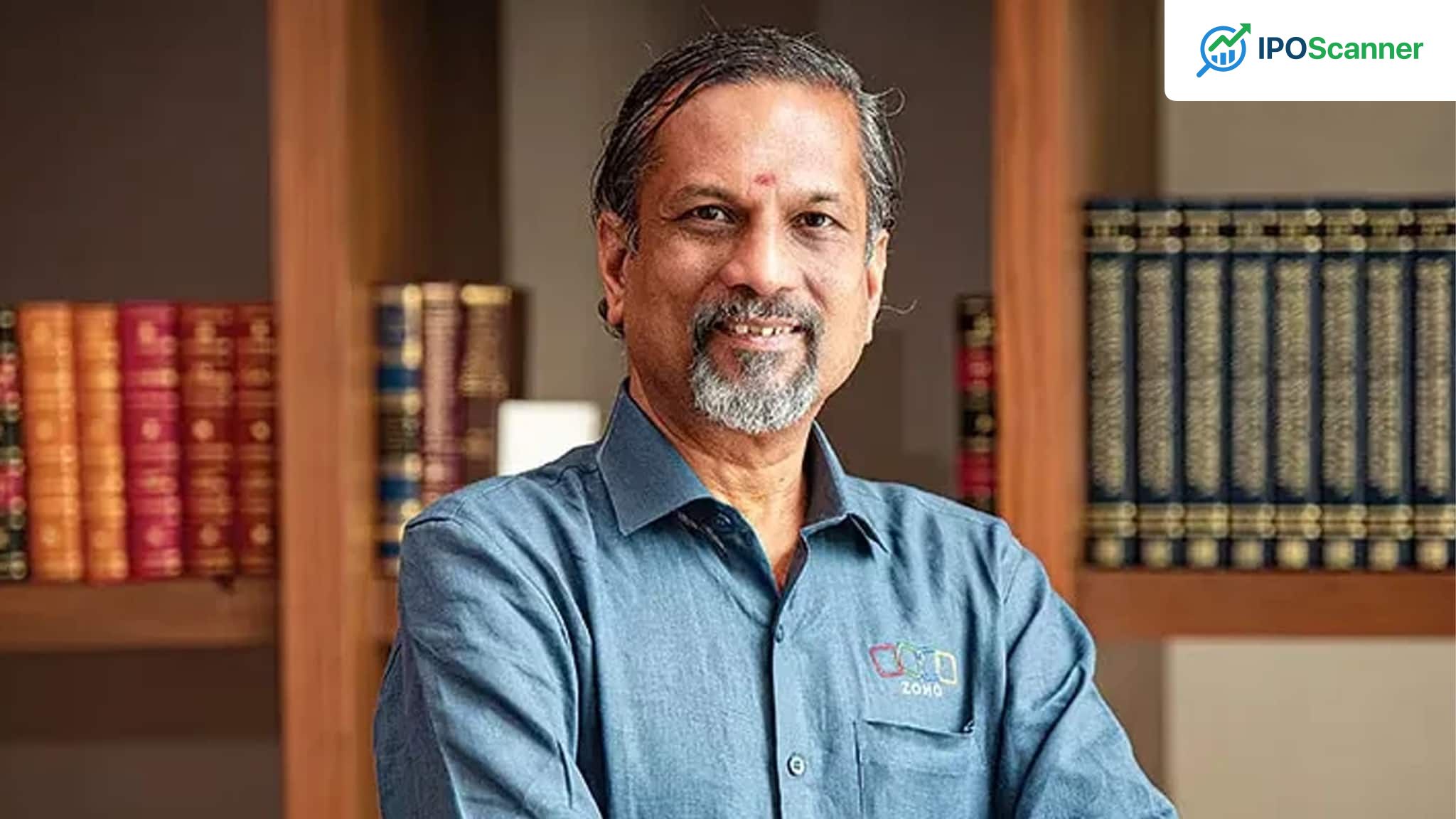
India's Economic Rise Reduces Reliance on Diaspora Remittances
The Changing Tide of Brain Drain: How India is Outpacing the US
In the 1980s and 1990s, Sridhar Vembu, the founder of Zoho Corporation, was part of a small wave of Indian engineers and entrepreneurs who ventured to the United States, learned from the world's most advanced innovation ecosystem, and then returned to build something extraordinary. However, the world has changed significantly since then, and India's domestic startup ecosystem has matured to the point where homegrown founders are now outperforming returnees on key measures such as funding, valuation, and revenue.
Over the past two decades, research has documented a profound shift: India's domestic startup ecosystem has become a more attractive destination for talent. In fact, our research has shown that homegrown founders are now outperforming returnees on key measures such as funding, valuation, and revenue. This is a significant departure from the past, when the diaspora represented success, capability, and access to a world that was far ahead.
Brain Circulation: A Dynamic System
Read also: Treasury Yields Experience Largest Increase in Two Weeks Following Release of Labor Market Data
The movement of talent between the United States and countries like India and China has been described as "brain circulation" - a dynamic system in which talent moves across borders, carrying knowledge, networks, and capital with it. However, our recent research has shown that the old foreign-educated advantage has weakened, and local knowledge, domestic networks, and embeddedness in India's markets have become more important.
The liability of localness has flipped into the liability of foreignness. This means that Indians are now more likely to succeed in India than they are in the United States. In fact, our research has shown that returnees are not making emotional decisions; they are making rational ones. They see faster career growth in India; opportunities to lead, to build, to have impact; and they see ecosystems that, while still imperfect, are dynamic and expanding.
The US is Turning Hostile
At the same time, the United States has begun pushing away the very people who helped build its technological dominance. The rhetoric against foreign students has intensified, and the H-1B visa program has become a political punching bag. Anti-immigrant sentiment has moved from the fringes into the mainstream, and for Indian professionals, the system has become toxic.
Read also: US-Iran Tensions Spark Uptick in Oil Prices Amid Global Market Decline
Highly skilled engineers and researchers wait not years, but decades, for green cards. They build companies, lead teams, and drive innovation - yet remain in a state of permanent uncertainty. Their children age out of dependent visas, families live with constant anxiety, and the promise of stability keeps slipping further away.
| Talent Movement | 2010 | 2020 |
|---|---|---|
| Indian Engineers Returning to India | 20% | 50% |
| US Companies Losing Top Talent to India | 10% | 30% |
| Indian Startups Raising Funding | $1B | $10B |
India's Rise
India's domestic startup ecosystem has matured to the point where homegrown founders are now outperforming returnees on key measures such as funding, valuation, and revenue. Indians are returning because it's a rational decision. They see faster career growth in India; opportunities to lead, to build, to have impact; and they see ecosystems that, while still imperfect, are dynamic and expanding.
India's rise will not be driven by appeals to patriotism, but by the continued strengthening of its ecosystems: its universities, its companies, its research institutions, and its ability to create opportunity at scale. Sridhar Vembu has already contributed meaningfully to this transformation, and I would encourage him to push even further.
In short, India will rise because it has earned its place, and America will decline only if it turns its back on the very talent that made it great.
More in Economy

Treasury Yields Experience Largest Increase in Two Weeks Following Release of Labor Market Data

US-Iran Tensions Spark Uptick in Oil Prices Amid Global Market Decline

MoSPI Releases Uniform Norms for DDP Estimates with 2022-23 Base Year

