India's E-Commerce Market Surpasses $65 Billion in 2025, Solidifying Country's Position as Global Leader in Quick Commerce: Report
India's Online Retail Market Closes 2025 with a Strong Performance
India's online retail market concluded 2025 with a remarkable growth rate, with e-retail gross merchandise value (GMV) reaching nearly $65-66 billion, an increase of 19-21 per cent in value terms. This growth is attributed to the rising shopper penetration and spend per shopper, according to a report by Bain & Company compiled in collaboration with Flipkart.
The report, titled How India Shops Online 2026, forecasts that India's e-retail market will reach USD 170-180 billion by 2030, with an annual growth rate of 20 per cent or more. This growth is driven by the increasing adoption of online shopping and the expansion of the e-commerce ecosystem.
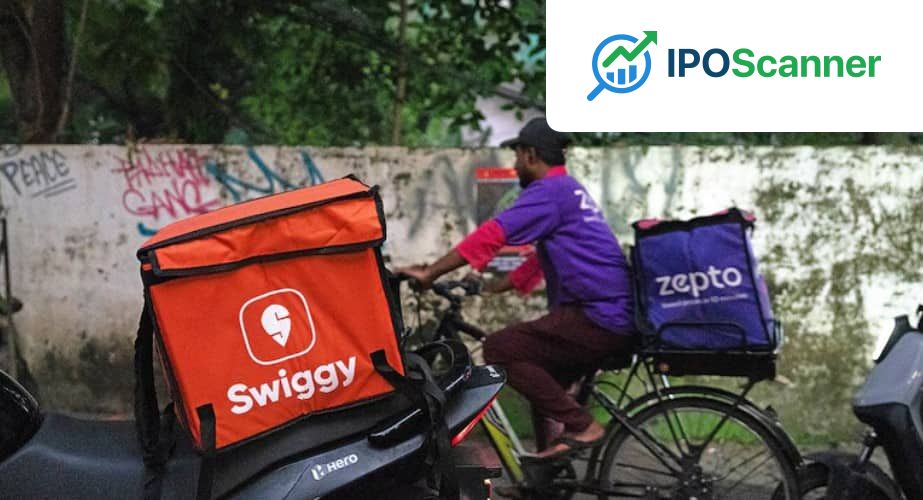
India has emerged as a global leader in quick-commerce (q-commerce), with 16-17 per cent of e-commerce GMV flowing through this segment. This is significantly ahead of most markets, including China. The q-commerce segment has doubled annually over the past two years, reaching USD 10-11 billion GMV in 2025.
Read also: Treasury Yields Experience Largest Increase in Two Weeks Following Release of Labor Market Data
| Segment | 2025 GMV (USD billion) | 2030 Forecast (USD billion) | Growth Rate (2025-2030) |
|---|---|---|---|
| E-commerce | 65-66 | 170-180 | 20%+ |
| Q-commerce | 10-11 | 65-70 | 40%+ |
The report notes that the overall growth of the e-retail market has accelerated in 2025, supported by improving macroeconomic conditions and consumer sentiment. The private consumption growth rose from 8 per cent (2022-24) to 10.5 per cent in 2025, driven by GST cuts, income tax relief, easing inflation, and lower lending rates.
As per the report, India is emerging as a critical global consumption engine, poised to capture 1 in 8 incremental consumption dollars over the next five years. While the e-retail market witnessed a healthy growth in the previous year, the broader retail sector's trajectory towards $1.6 trillion by 2030 underscores that offline infrastructure remains indispensable to reaching the majority of Indian consumers.
India's online shopping market has more than doubled over the last five years, with the shopper base doubling to 290-300 million shoppers in 2025. The growth is increasingly well diversified geographically, with Tier II plus cities contributing about 50 per cent of incremental online orders in 2025.
Read also: US-Iran Tensions Spark Uptick in Oil Prices Amid Global Market Decline
The report highlights that Gen Z has emerged as a critical cohort accounting for 40-45 per cent of e-retail shoppers, contributing 50 per cent of incremental e-retail orders in 2025. This generation of customers demonstrate distinct shopping preferences across categories like lifestyle, beauty, and electronics.
Shyam Unnikrishnan, Managing Partner at Bain & Company, notes that as India's GDP per capita approaches the $4,000 inflection point, where discretionary spending has historically accelerated in other emerging markets, this will provide further tailwinds for e-retail. The next five years will certainly unlock the next wave of growth in India's e-retail market, Unnikrishnan said.
The strong expansion notwithstanding, India's e-retail penetration remains structurally low at about 1.6 per cent of GDP, compared to other parts of the world. The report notes that a large untapped base remains, with only 30 per cent of internet users shopping online (compared to 92 per cent in China and 74 per cent in the US).
Q-commerce has given a fillip to the e-retail story, with structural advantages like high population density, low manpower and real estate costs, as well as low online grocery penetration acting as key enablers. The q-commerce space is accelerating online grocery adoption, with e-grocery penetration growing about 5 times since its launch and now accounting for nearly 1.5 per cent of the overall grocery market.
Vijay Iyer, VP and GM, Flipkart Ads, notes that the next era of commerce isn't about teaching users how to search; it's about replacing traditional category navigation with fluid, intent-driven conversations. Through the amalgamation of GenAI and fit-for-purpose technology, digital commerce will soon feel less like an interface and more like a natural dialogue for every Indian.
Investor Takeaway
Investors should consider the growth potential of India's e-commerce market, particularly in quick-commerce.
More in Market

Treasury Yields Experience Largest Increase in Two Weeks Following Release of Labor Market Data

US-Iran Tensions Spark Uptick in Oil Prices Amid Global Market Decline

Indian Stocks to Watch: BHEL, Agarwal Industrial, JBM Auto, Rajesh Exports, Indian Energy Exchange, Lenskart Solutions in Market Focus on June 4.