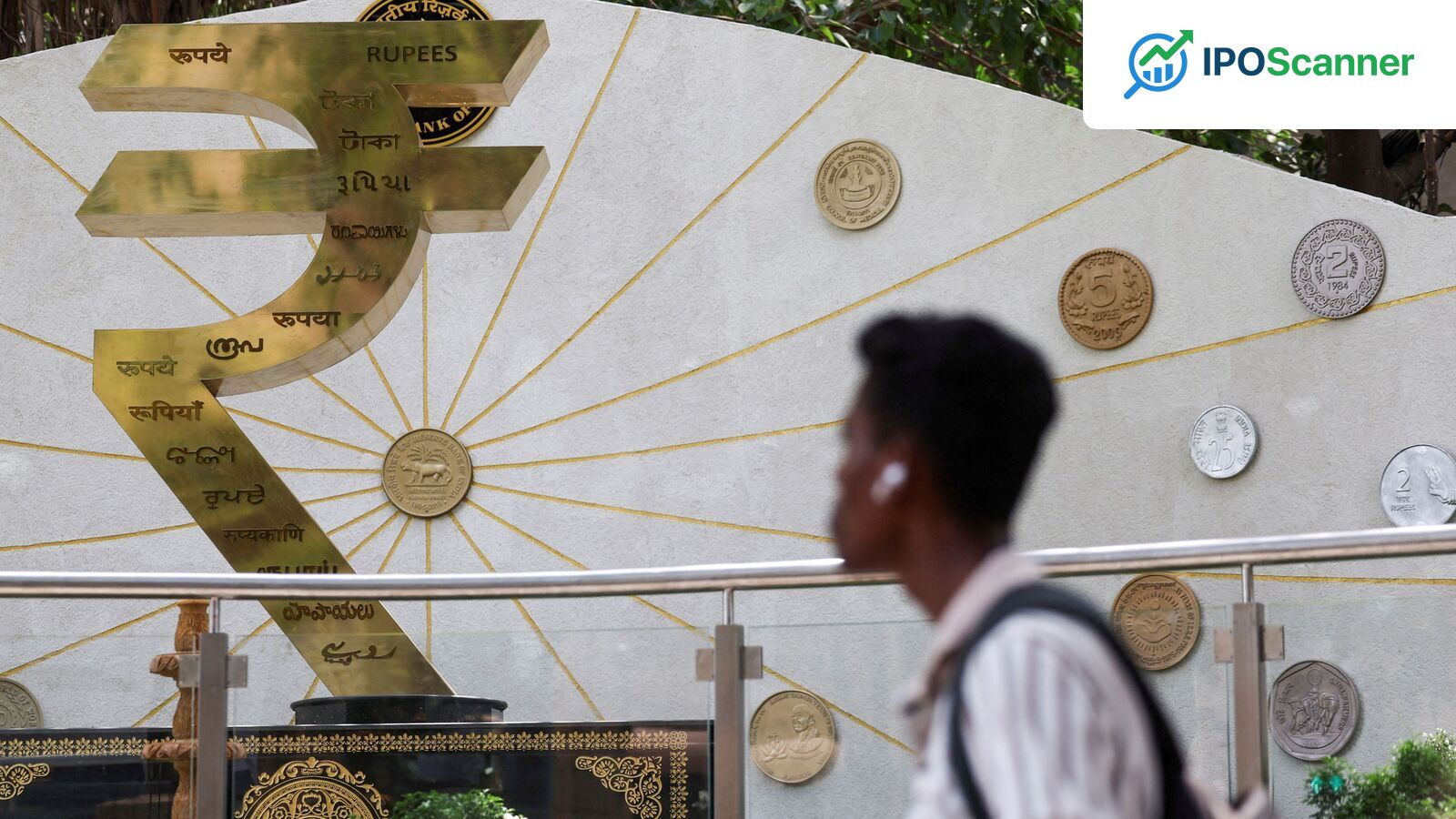
Indian Rupee Surpasses 94 Against US Dollar, on Track for Largest Fiscal-Year Decline Since 2014
Indian Rupee Hits Fresh Low Against US Dollar
On 23 March, the Indian rupee slumped to a new record low against the US dollar, weighed down by the greenback's steady rise, persistent selling by foreign portfolio investors (FPIs), and the escalating US-Israel conflict with Iran.
The rupee breached the 94 mark against the US dollar for the first time, hitting 94.10 and marking a 2.43% decline in value since the start of the month. Since the start of the US-Iran war, the rupee has lost around 3% of its value. The rupee has weakened by around 3.4% compared to its value earlier this month, placing it among the worst-performing Asian currencies.
In comparison, peers such as the Korean won and Thai baht are down 5% and nearly 6%, respectively, since the onset of the conflict. The sustained decline has led to a nearly 10% fall in the rupee in FY26, positioning it for its biggest fiscal year drop since FY14, when it had depreciated 9.4% against the greenback.
Read also: Treasury Yields Experience Largest Increase in Two Weeks Following Release of Labor Market Data
A weaker currency increases import costs, potentially fuelling inflationary pressures, especially with crude oil already surging over 50% in March. The falling rupee may also impact India Inc's profitability due to higher input costs.
Heavy selling by FPIs has further weakened the rupee, as overseas investors turned cautious about Asia's third-largest economy. So far this month, FPIs have sold ₹93,970 crore worth of Indian equities on exchanges, resulting in total outflows of ₹1,07,077 crore in 2026 to date, as per NSDL data.
In contrast, the RBI purchased a net $2.526 billion from the spot forex market in January, according to its monthly bulletin released on Monday. The purchase of US dollars came after seven straight months of net dollar sales.
Rupee outlook remains weak amid elevated crude and fragile macro backdrop. Analysts expect the rupee to trade within a weak range of 93.25-94.25 in the near term, with sentiment likely to remain negative until any meaningful de-escalation emerges.
Read also: US-Iran Tensions Spark Uptick in Oil Prices Amid Global Market Decline
Investor Takeaway
Investors should be cautious of the Indian rupee's decline and potential impact on the country's economy.
More in Economy

Treasury Yields Experience Largest Increase in Two Weeks Following Release of Labor Market Data

US-Iran Tensions Spark Uptick in Oil Prices Amid Global Market Decline

MoSPI Releases Uniform Norms for DDP Estimates with 2022-23 Base Year

