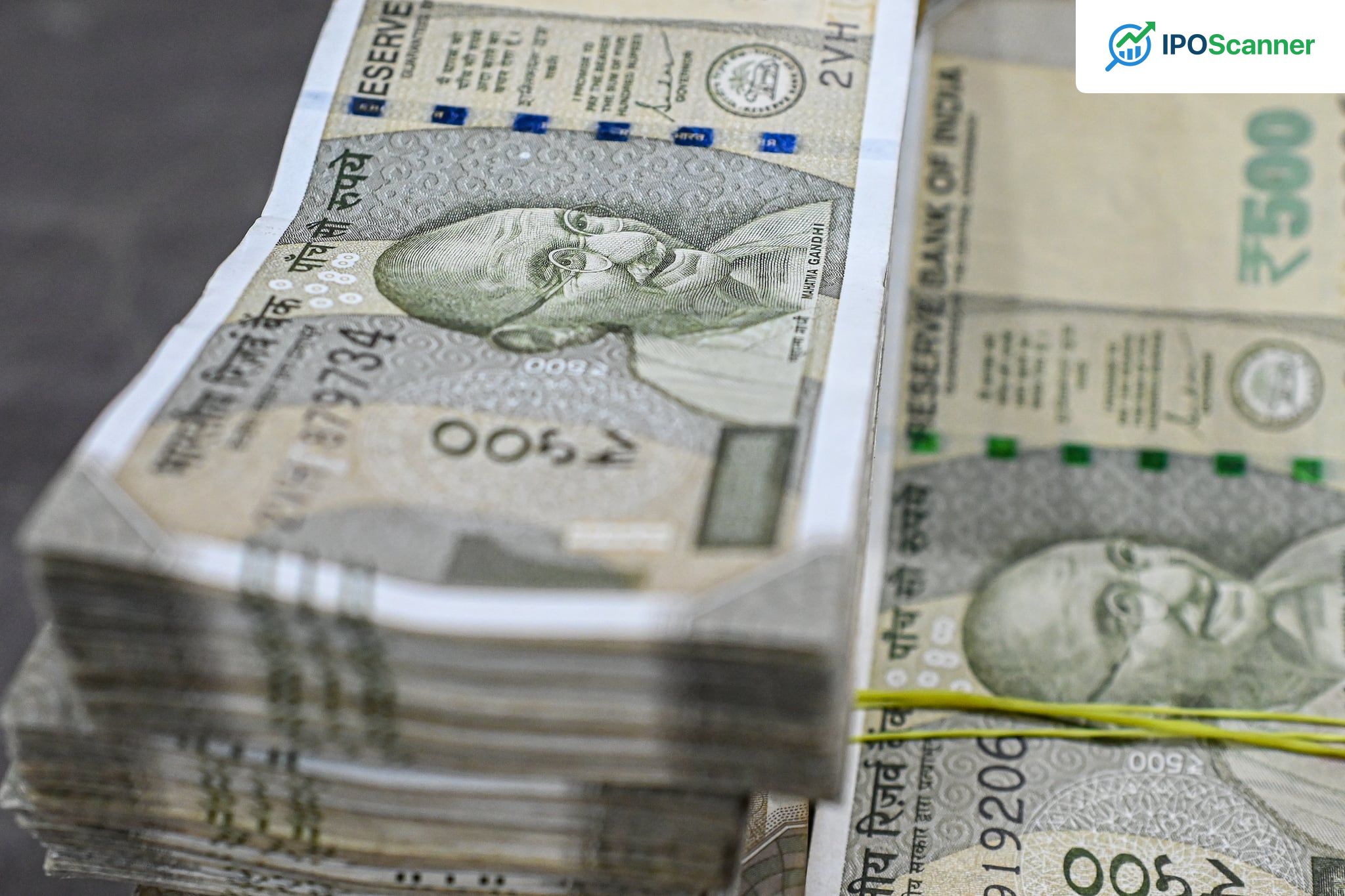
Indian Rupee Opens at 94.75, Down 14 Paise from Previous Close
Indian Rupee Opens Lower Against Dollar on May 7
The Indian Rupee opened 14 paise lower on May 7, trading at 94.75 per dollar against yesterday's close of 94.61. The rupee's depreciation comes as exporters may continue to sell dollars on the upticks, while importers are waiting for the 94 level to start hedging their near-term imports and 93.50 for imports due in June.
According to financial analysts, the Reserve Bank of India (RBI) and the Government of India (GOI) are keen to maintain a steady rupee to avoid a consistent depreciation trend. The RBI sold dollars yesterday at 95.18 levels, which suggests its intention to support the rupee. A stable rupee could attract Foreign Portfolio Investors (FPIs) back into the country, which have been exiting India in the last two years.
Asian Currencies Trade Mixed Against US Dollar
Read also: Treasury Yields Experience Largest Increase in Two Weeks Following Release of Labor Market Data
In the broader Asian currency market, many regional currencies witnessed gains against the US dollar. The Philippines Peso emerged as the top performer, appreciating 0.761 percent, followed by the Taiwan Dollar, which gained 0.277 percent. The Malaysian Ringgit, China Renminbi, Indonesian Rupiah, and Japanese Yen also posted moderate gains of 0.258 percent, 0.236 percent, 0.213 percent, and 0.160 percent, respectively. The Singapore Dollar edged up marginally by 0.032 percent.
| Currency | Gain/Loss (%) |
|---|---|
| Philippines Peso | 0.761% |
| Taiwan Dollar | 0.277% |
| Malaysian Ringgit | 0.258% |
| China Renminbi | 0.236% |
| Indonesian Rupiah | 0.213% |
| Japanese Yen | 0.160% |
| Singapore Dollar | 0.032% |
On the other hand, the South Korean Won and Thai Baht weakened against the US dollar, declining 0.135 percent and 0.180 percent, respectively. The overall trend indicates a relatively positive sentiment across most Asian currencies during the session.
The dollar remained on the defensive on Thursday as hopes for a de-escalation in the Iran-U.S. war supported oil-exposed currencies. Meanwhile, Tokyo resumed its verbal intervention in support of the yen, keeping speculators cautious.
Read also: US-Iran Tensions Spark Uptick in Oil Prices Amid Global Market Decline
Investor Takeaway
The Indian Rupee's depreciation may impact FPIs' investment in the country.
More in Economy

Treasury Yields Experience Largest Increase in Two Weeks Following Release of Labor Market Data

US-Iran Tensions Spark Uptick in Oil Prices Amid Global Market Decline

MoSPI Releases Uniform Norms for DDP Estimates with 2022-23 Base Year

