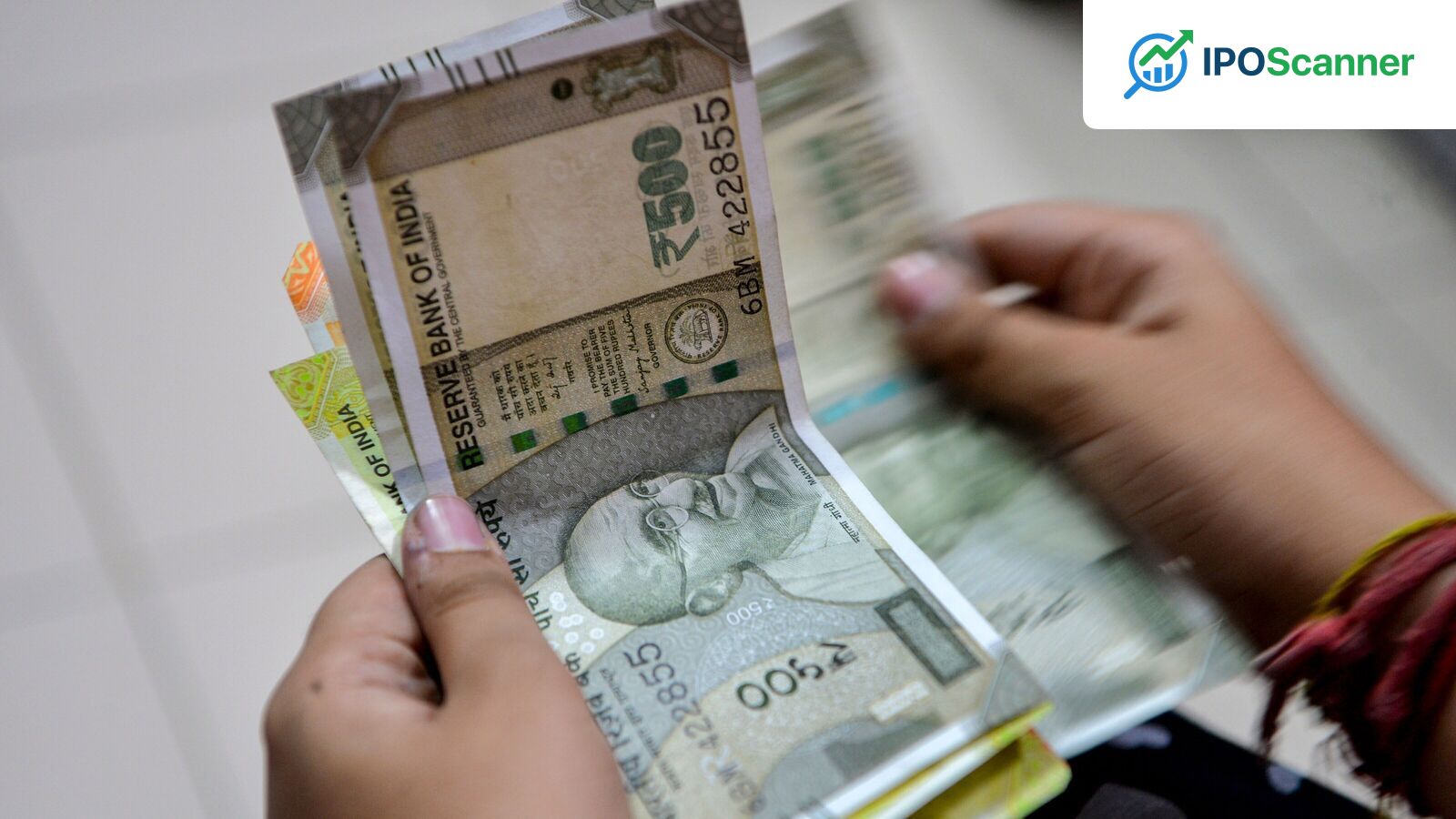
Indian Rupee Drops Below 95 to Record Low Amid Rising Global Tensions
USD vs INR: Rupee Falls to Fresh All-Time Low
The Indian rupee declined to a fresh all-time low on Monday, reversing early gains, as fundamentals remained skewed against the currency. The rupee weakened past the 95 per dollar mark for the first time to 95.20 per dollar, down 0.3% on the day.
The rupee's decline can be attributed to the Reserve Bank of India's (RBI) decision to tighten limits on banks' FX positions, which prompted lenders to unwind dollar holdings in the domestic market while building positions in the non-deliverable forward (NDF) market. The sizeable exposure of $25 billion to $35 billion led to uneven price movements across markets, with companies taking advantage of the arbitrage opportunity by buying dollars in the onshore market and selling them in the NDF segment.
Strong importer demand from large corporates to hedge near-term liabilities also added pressure, causing the rupee to give up its early rally. The rupee jumped more than 1% to 93.60 at the open.
Read also: Treasury Yields Experience Largest Increase in Two Weeks Following Release of Labor Market Data
Experts believe that the RBI's decision comes at a time when the rupee is under considerable strain. The RBI's priority remains volatility management rather than defending a specific level, and continued calibrated intervention in the FX market can smooth disorderly moves.
Key Drivers of Rupee's Decline
- Brent crude above $105
- FPI outflows exceeding $11 billion in March
- Widening current account deficit
Future Outlook
Read also: US-Iran Tensions Spark Uptick in Oil Prices Amid Global Market Decline
- For the rupee to touch and cross 100, crude oil has to be well above $200 a barrel
- RBI is expected to actively intervene, with strong action likely if USD/INR moves above 95-96
- India is better placed than most, with effective diplomacy securing alternative supply routes and comfortable inventory levels
Market Expectations
- Naveen Mathur, Director - Commodities & Currencies, Anand Rathi Share and Stock Brokers:
- A move toward 100 per dollar would require a severe tail-risk event such as crude sustaining above $130, sharp capital flight, and limited RBI firepower
- The rupee is likely to remain highly volatile in the near term, with a clear depreciation bias driven by the US–Iran escalation
- Kunal Sodhani, Head - Treasury at Shinhan Bank:
- Continued calibrated intervention in the FX market can smooth disorderly moves
- The RBI can also tactically deploy tools like sell-buy swaps to manage dollar liquidity without excessively draining rupee liquidity
Investor Takeaway
Investors should be cautious of the Indian rupee's decline and potential impact on the country's economy.
More in Economy

Treasury Yields Experience Largest Increase in Two Weeks Following Release of Labor Market Data

US-Iran Tensions Spark Uptick in Oil Prices Amid Global Market Decline

MoSPI Releases Uniform Norms for DDP Estimates with 2022-23 Base Year

