Indian Rupee Declines for Second Consecutive Session Amid Ongoing Middle East Tensions
Indian Rupee Falls for Second Day as Middle East Tensions Rise
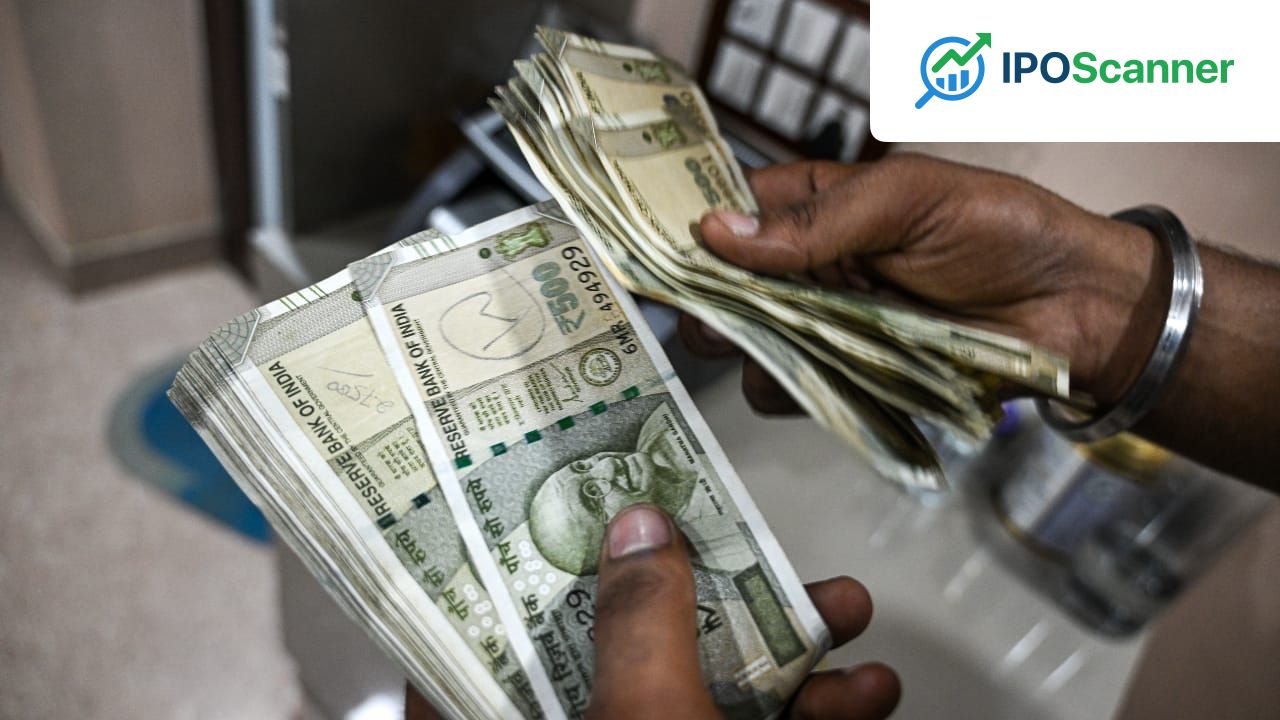
The Indian Rupee opened lower on May 27, marking its second consecutive day of decline, as hopes for an imminent end to the Middle East conflict have ebbed, leading to a skew in portfolio and merchant flows against the currency.
The Indian Rupee opened lower by 6 paise at 95.74 per dollar on Wednesday, compared to its previous close of 95.68. According to Finrex, the Indian Rupee faced pressure on Tuesday due to month-end dollar demand and rising geopolitical risks. The domestic currency is expected to remain weak in today's session, with the rupee likely to open slightly lower near 95.80 against the US dollar.
Finrex noted that fresh US strikes have dampened hopes of an early US-Iran peace agreement, leading to a rise in crude oil prices and weighing on emerging market currencies, including the rupee. The escalating tensions in the Middle East have heightened concerns over India's current account deficit, adding pressure on the domestic currency. Although the Reserve Bank of India's intervention had earlier supported the rupee and maintained a relatively firm trend, rising geopolitical uncertainty and higher oil prices have halted the appreciation momentum, creating fresh headwinds for the currency market.
Read also: Treasury Yields Experience Largest Increase in Two Weeks Following Release of Labor Market Data
The dollar index, which measures the greenback against the Japanese yen and five other major currencies, was little changed at 99.09 after rising 0.15 percent in the previous session. Asian currencies traded mixed against the US dollar in the latest session.
| Currency | Change |
|---|---|
| Taiwan Dollar | +0.449% |
| Philippine Peso | +0.219% |
| China's Renminbi | +0.209% |
| South Korean Won | +0.093% |
| Singapore Dollar | +0.008% |
| Thai Baht | -0.172% |
| Indonesian Rupiah | -0.152% |
| Malaysian Ringgit | -0.121% |
| Japanese Yen | -0.044% |
The Taiwan Dollar emerged as the strongest performer, followed by the Philippine Peso and China's Renminbi, while the South Korean Won posted a mild gain. The Singapore Dollar remained largely flat with a marginal increase. On the weaker side, the Thai Baht declined, followed by the Indonesian Rupiah and the Malaysian Ringgit, while the Japanese Yen edged down against the dollar.
Investor Takeaway
Investors should be cautious of the Indian Rupee's decline due to ongoing Middle East tensions.
More in Economy

Treasury Yields Experience Largest Increase in Two Weeks Following Release of Labor Market Data

US-Iran Tensions Spark Uptick in Oil Prices Amid Global Market Decline

MoSPI Releases Uniform Norms for DDP Estimates with 2022-23 Base Year

