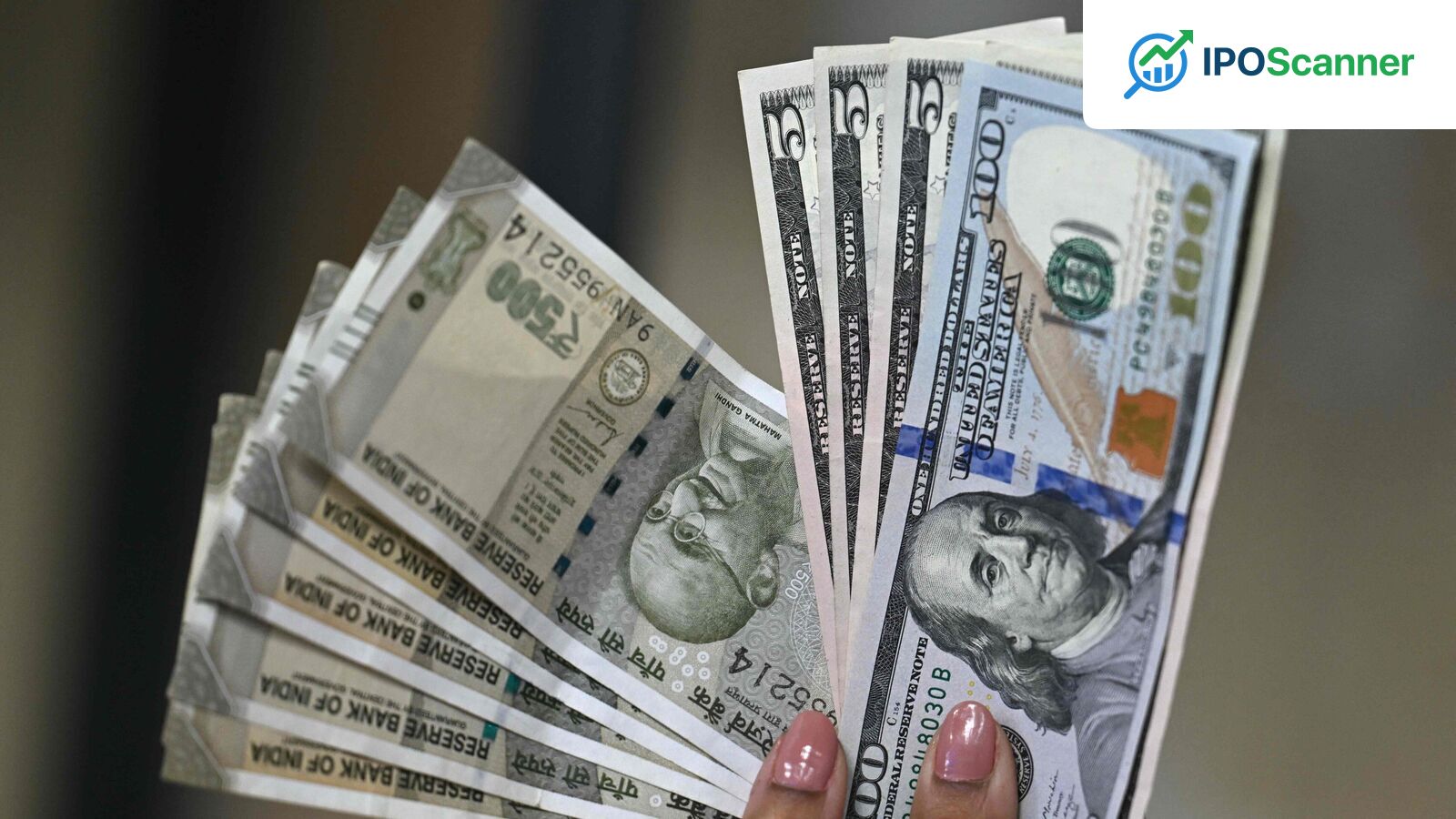
Indian Rupee Appreciates 6 Paise to Open at 93 per US Dollar
Indian Rupee Bounces Back, but Remains Vulnerable to Geopolitical Tensions
The Indian rupee began trading on Tuesday, April 7, at 93 per dollar, up by 6 paise from its previous close of 93.06 on Monday. This rise is attributed to the central bank's efforts to reverse arbitrage positions, despite persistent concerns about a potential escalation in the Iran conflict that may limit gains.
Recent price movements have led financial professionals to speculate that the rupee may have established a short-term balance near the 93-per-dollar mark. However, the Reserve Bank of India's measures to bolster the currency remain uncertain, leaving the rupee vulnerable to fluctuations.
The ongoing Iran conflict continues to pose a significant risk to the rupee's stability. The escalation of tensions could drive up oil prices, which would negatively impact the Indian economy. In response to the situation, Brent crude contract for June delivery climbed to $111 on Tuesday.
Read also: Treasury Yields Experience Largest Increase in Two Weeks Following Release of Labor Market Data
US President Donald Trump has issued a warning to Iran, stating that the country could face serious consequences if it fails to finalize a deal by his Tuesday night deadline. The threat to unleash "hell" on Tehran unless it agrees to reopen the Strait of Hormuz by 8 p.m. EDT Tuesday (midnight GMT) has heightened tensions.
The pressure on the bond market is also evident, with India's benchmark 10-year yield climbing above 7.00%, marking its highest level in nearly two years. Unlike a typical rise driven by growth optimism, this uptick reflects a more cautious underlying sentiment. Markets are currently factoring in rising inflation risks driven by elevated energy prices, increased fiscal strain due to higher government spending, and continued uncertainty around the RBI's policy trajectory and liquidity conditions.
| Comparison of India's Benchmark 10-Year Yield | | --- | --- | | Current Yield | 7.00% | | Highest Level in Nearly Two Years | 7.00% | | Growth Optimism Yield | Not Applicable |
However, expert analysis suggests that the outlook remains highly sensitive to geopolitical developments. Iran has reportedly rejected the US ceasefire proposal, placing broader conditions including sanctions relief and assurances around safe passage through the Strait of Hormuz. Meanwhile, US President Donald Trump has taken a firm position, warning of escalation if an agreement is not reached within the stated timeline.
Read also: US-Iran Tensions Spark Uptick in Oil Prices Amid Global Market Decline
With the situation remaining fragile, markets continue to react sharply to every development and signal. According to Amit Pabari, MD, Research Team, CR Forex Advisors, the rupee has taken support in the 92.80–93.00 zone, suggesting a gradual drift towards the 93.50–94.00 levels in the near term, especially if external pressures persist.
More in Economy

Treasury Yields Experience Largest Increase in Two Weeks Following Release of Labor Market Data

US-Iran Tensions Spark Uptick in Oil Prices Amid Global Market Decline

MoSPI Releases Uniform Norms for DDP Estimates with 2022-23 Base Year

