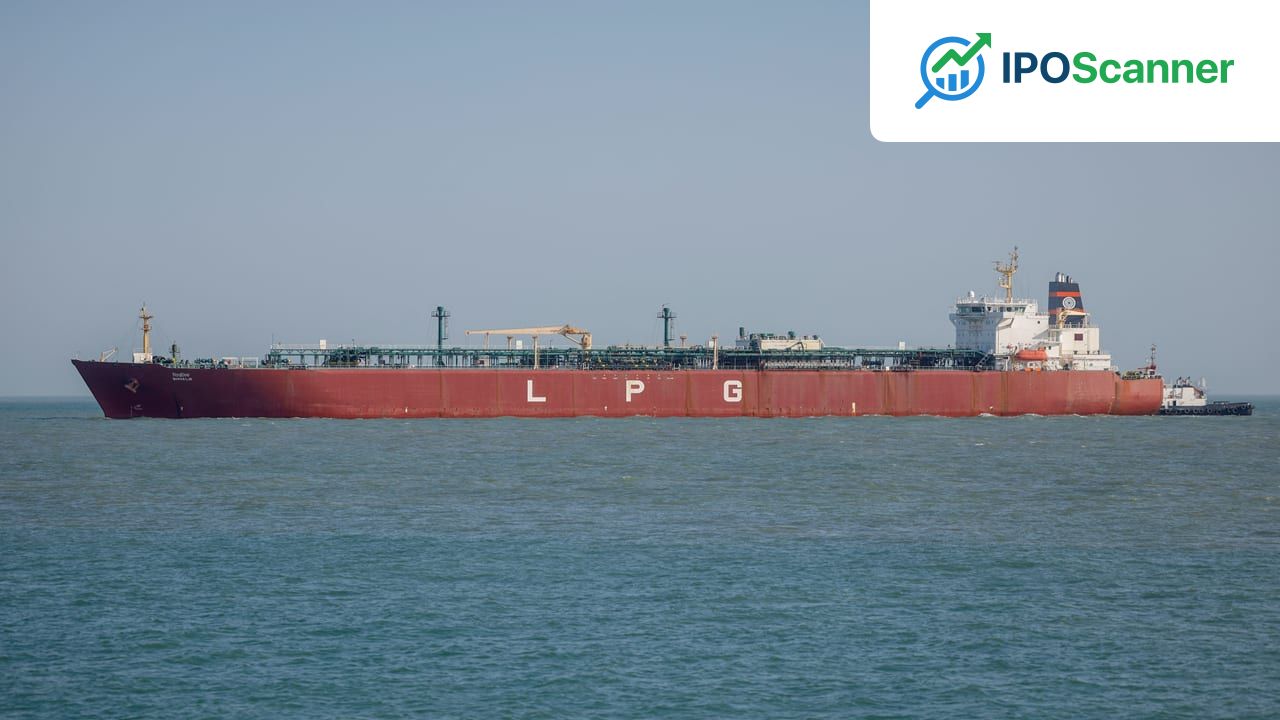
India to Reconsider Middle East Energy Dependence Following Largest Market Disruption in Decades: ONGC Chief
India Must Rethink Energy Security Amid Global Volatility
As the world grapples with the aftermath of the most significant energy shock in decades triggered by the West Asia conflict, India must reassess its reliance on traditional supply assumptions, particularly its proximity to the Middle East for sourcing oil and gas. ONGC Chairman and CEO Arun Kumar Singh emphasized the need for caution and diversification in a speech at the Energy Security conclave organized by oil regulator PNGRB on Friday.
India's reliance on the Middle East has been substantial, with the region meeting nearly half of its crude oil imports, 30 per cent of its gas, and 85-90 per cent of LPG. To mitigate the risks of price and supply disruptions, Singh urged the government to invest in building strategic storages. This insurance measure would enable India to withstand potential disruptions and maintain a stable energy supply.
The six-week-long blockade of the only shipping lane used by Gulf countries to export crude oil, natural gas, and cooking gas LPG led to an energy crisis in several importing countries, including India. The country was forced to prioritize gas supply, highlighting the need for a more diversified energy strategy.
Read also: Treasury Yields Experience Largest Increase in Two Weeks Following Release of Labor Market Data
Singh warned that a shifting global order and rising geopolitical tensions are undermining long-held assumptions about energy security. He emphasized that a paradigm shift has occurred, and the world is becoming increasingly fragmented. This de-globalization will lead to more problems, making India's high energy import dependence even more vulnerable.
Singh stressed the importance of boosting domestic production, which he described as an "existential necessity." He urged India to aggressively pursue domestic exploration and build resilience. The ONGC Chairman also emphasized the need to expand storage capacity and diversify energy types and supply chains.
| Energy Source | Original Import Percentage | New Import Percentage |
|---|---|---|
| Crude Oil | 50% | N/A |
| Gas | 30% | N/A |
| LPG | 85-90% | 60% (domestic) |
Singh pointed to growing volatility in global markets and the unpredictability of refining economics. He highlighted the need for India to be prepared for more instances where product margins exceed crude costs. The ONGC Chairman also noted rising resource nationalism among producer nations, making it essential for India to diversify its energy sources and supply chains.
Read also: US-Iran Tensions Spark Uptick in Oil Prices Amid Global Market Decline
Singh highlighted India's efforts to boost domestic supply of liquefied petroleum gas (LPG), increasing it from 30 per cent to 60 per cent. He suggested prioritizing piped natural gas for households, citing its importance in maintaining a stable energy supply. Despite global disruptions, Singh praised India's effective management of the situation, urging the country to be proud of its achievements.
Investor Takeaway
India should be cautious about relying on traditional supply assumptions for oil and gas, and invest in building strategic storages as an insurance against price and supply disruptions.
More in Economy

Treasury Yields Experience Largest Increase in Two Weeks Following Release of Labor Market Data

US-Iran Tensions Spark Uptick in Oil Prices Amid Global Market Decline

MoSPI Releases Uniform Norms for DDP Estimates with 2022-23 Base Year

