India to Reassess Strategic Ties with Global Partners Following Iran Conflict
Iran's War Aftermath: A Complex Regional Equation
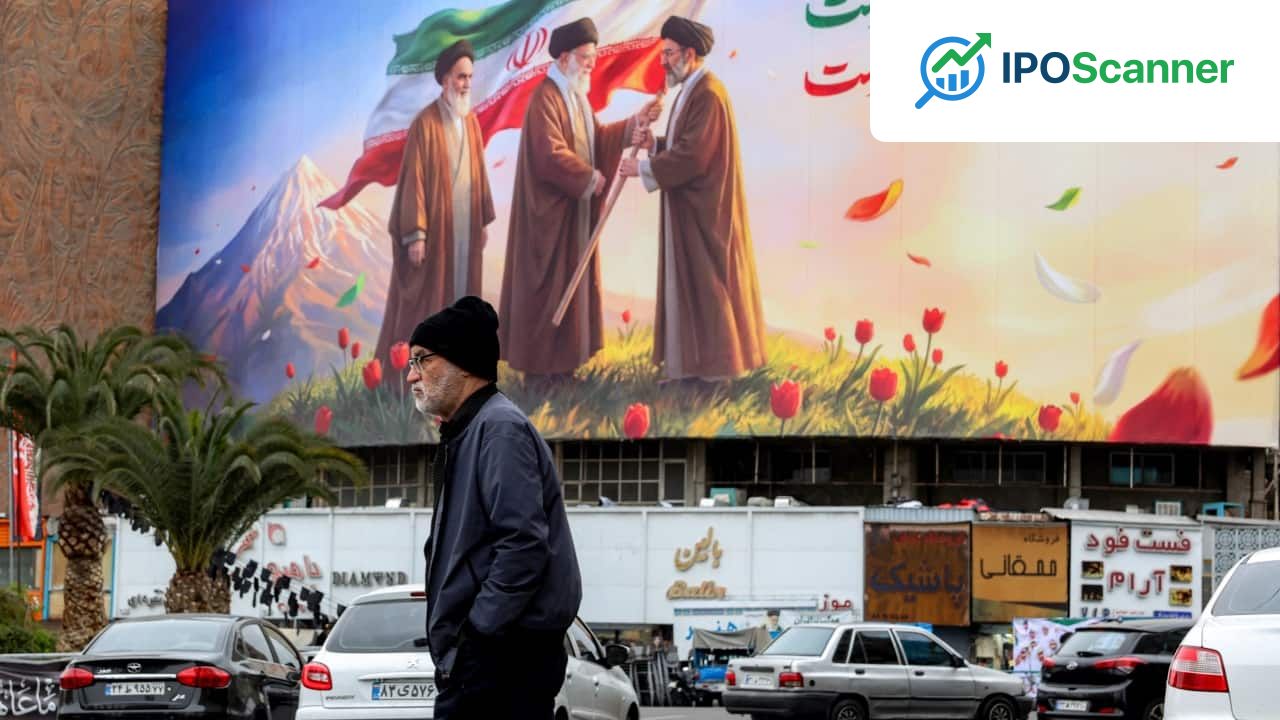
The war in Iran has left an indelible mark on the country's streets and its people, but its impact on the region's dynamics is more nuanced. Iran's sustained damage and weakened economy may not have settled the larger regional question, but it has reminded the world that the country remains a crucial actor in the region.
This war may not have resolved the fundamental issues in the region, but it has rearranged emphasis and highlighted Iran's significance. The conversation around Iran is now centered on terms, guarantees, sanctions, shipping lanes, deterrence, and future thresholds, which is characteristic of a central player, not a peripheral actor.
India's Interests in the Conflict
Read also: Treasury Yields Experience Largest Increase in Two Weeks Following Release of Labor Market Data
India's interests in the region are multifaceted, with energy and capital being the primary concerns. The country's dependence on imported energy makes every West Asian flare-up a domestic economic event, affecting crude, shipping, insurance, freight, the rupee, and bond yields.
If hostilities subside, access to Iranian oil may gradually become easier, which would be a significant development for India. This would provide the country with room for manoeuvre in its energy security, a crucial consideration given its dependence on imported energy.
Capital Flows and Geopolitical Shocks
Geopolitical shocks like the ongoing war in Iran rarely trigger outright exits from the region, but they can alter preferences at the margin. This war may compel global investors to reassess their exposure to the Middle East, particularly those with long-duration investments.
Read also: US-Iran Tensions Spark Uptick in Oil Prices Amid Global Market Decline
The Gulf's sovereign funds and global investors are unlikely to abandon India or the Middle East as a destination for long-duration money. However, the war has disrupted the region's political texture, making investors more selective in their investments.
| Region | Current Exposure | Post-War Exposure |
|---|---|---|
| India | High | Moderate |
| Middle East | High | Moderate |
| Gulf | High | Moderate |
India's Opportunities
India's internal market, investible manufacturing story, and comparative geopolitical proposition make it an attractive destination for capital that values duration over spectacle. The country's scale and demand can provide a different kind of investment opportunity, one that is less dependent on the region's energy dynamics.
The war may not have transformed the Middle East in the sweeping manner its early rhetoric suggested, but its consequences may be more indirect. Iran, though weakened, may remain deeply embedded in the regional equation, while the Gulf may be viewed with sharper risk awareness. India, though not untouched, may find that some of the resulting economic and financial adjustments quietly work in its favour.
More in Economy

Treasury Yields Experience Largest Increase in Two Weeks Following Release of Labor Market Data

US-Iran Tensions Spark Uptick in Oil Prices Amid Global Market Decline

MoSPI Releases Uniform Norms for DDP Estimates with 2022-23 Base Year

