India to Launch Grid-Scale Battery Storage Manufacturing Tender by May, Says Renewable Energy Secretary
India Aims to Boost Renewable Energy Capacity with Grid-Scale Battery Storage Systems
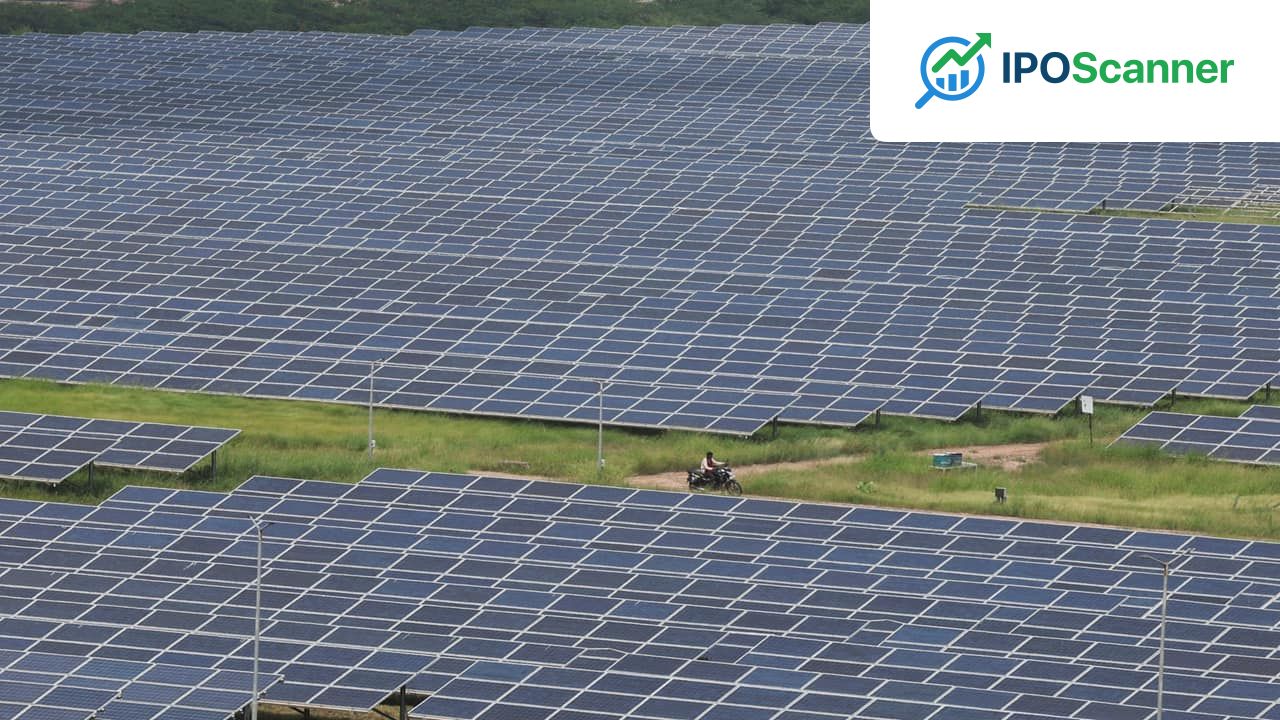
The Indian government is set to invite bids for the manufacturing of grid-scale battery energy storage systems by May, a move aimed at meeting the country's ambitious renewable energy goals. Santosh Sarangi, the new and renewable energy secretary, has revealed that the government is looking to bridge the gap between the current renewable energy capacity of 267 GW and the target of 500 GW by 2030.
To achieve this goal, the government plans to utilize grid-scale battery energy storage systems, which are designed to store electricity during low demand and dispatch it during peak hours of demand. These systems will support grid stability and integrate renewable energy, enabling round-the-clock power supply. The government has requested the Ministry of Heavy Industries to earmark 10 GWh (Gigawatt-hour) for grid-scale battery energy storage manufacturing under their production-linked incentive (PLI) scheme.
Key Statistics:
Read also: Treasury Yields Experience Largest Increase in Two Weeks Following Release of Labor Market Data
| Current Capacity | Target Capacity | Gap | |
|---|---|---|---|
| Renewable Energy Capacity | 267 GW | 500 GW | 233 GW |
The government has also implemented two viability gap funding (VGF) schemes to support the development of approximately 43 GWh of Battery Energy Storage Systems (BESSs). The tender for the 10 GWh domestic grid-scale battery energy storage manufacturing system is expected to be floated over the next one or two months. Declining battery prices, from Rs 10.18 per kWh in 2022-23 to Rs 2.1 per kWh, have made energy storage a viable option for India to enable round-the-clock renewable power.
The Ministry of Heavy Industries is implementing the PLI scheme "National Programme on Advanced Chemistry Cell (ACC) Battery Storage" to establish 50 GWh of domestic Advanced Chemistry Cell manufacturing capacity. Of this, 10 GWh has been earmarked for Grid Scale Stationary Storage (GSSS) applications. India's current deployment of battery energy storage systems is very low, at only 0.7 gigawatt hour. To meet the country's renewable energy goals, a larger deployment of BESS, along with grid-forming inverters, will be essential in the future.
The Central Electricity Authority has projected 411 gigawatt hours of battery storage, including the pump storage project by 2031-32. The government is working with power distribution companies to use "digital twin" systems for real-time monitoring of networks and improving grid integration. Sarangi expects a peak demand of 270 GW during the summer months and believes that battery energy storage systems will be crucial in meeting the demand. With digital twins and distributed energy resource management systems, the ability of discoms to manage RE will increase exponentially.
Read also: US-Iran Tensions Spark Uptick in Oil Prices Amid Global Market Decline
Investor Takeaway
India's renewable energy goals may be positively impacted by the launch of grid-scale battery storage manufacturing tender.
More in Economy

Treasury Yields Experience Largest Increase in Two Weeks Following Release of Labor Market Data

US-Iran Tensions Spark Uptick in Oil Prices Amid Global Market Decline

MoSPI Releases Uniform Norms for DDP Estimates with 2022-23 Base Year

