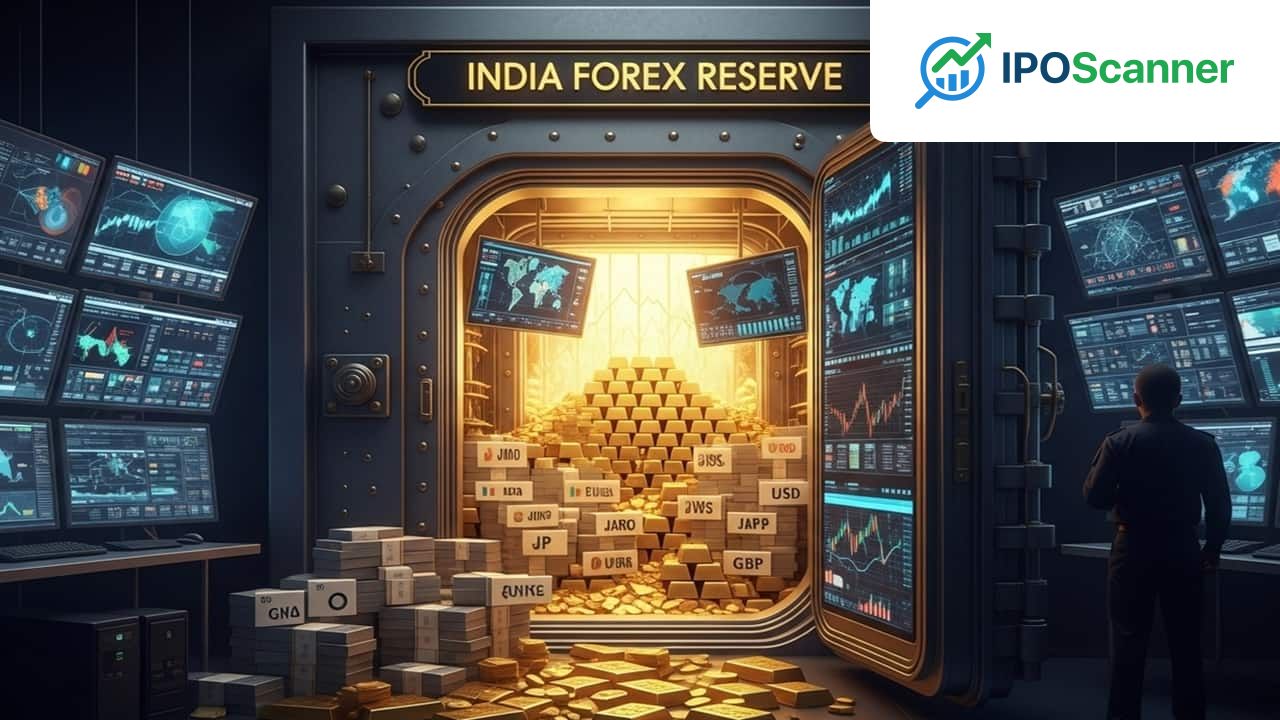
India to Explore Emergency Measures to Mitigate Foreign Exchange Pressures
India Considers Emergency Measures to Shore Up Foreign-Exchange Reserves
India is contemplating drastic steps to bolster its foreign-exchange reserves, including restrictions on non-essential imports such as gold and electronic goods, as well as an increase in fuel prices. The measures aim to cushion the economy from the impact of the Iran war and the subsequent surge in oil prices.
According to people familiar with the matter, officials in the Prime Minister's Office and the Finance Ministry have held discussions with the Reserve Bank of India (RBI) on potential measures to mitigate the damage from rising oil prices. The proposals under consideration include a fuel price hike, which would be the first increase since the Iran war began and follows Prime Minister Narendra Modi's landslide victory in recent state elections.
The RBI and the Finance Ministry have expressed concern over the widening current account deficit and the measures are aimed at curbing imports to preserve foreign exchange. Gold and consumer electronics are considered non-essential imports and steps could be taken to restrict those items.
Read also: Treasury Yields Experience Largest Increase in Two Weeks Following Release of Labor Market Data
| Import Category | Current Status | Potential Restrictions |
|---|---|---|
| Gold | High imports | Restrictions on gold imports |
| Electronic goods | High imports | Restrictions on electronic goods imports |
India is the world's third-largest oil importer and has been severely affected by soaring energy prices and the disruption of supplies through the Strait of Hormuz. The outflow of foreign exchange to pay for higher energy bills has put pressure on the rupee, which has plunged to a record low, and forced the RBI to take aggressive steps this year to stabilize the currency.
On Sunday, Modi urged citizens to use public transport and work from home to conserve petrol and diesel. He also called on the public to stop buying gold and restrict overseas travel. The emergency measures are not unprecedented, with several countries in Asia, such as Vietnam and Thailand, having asked citizens to work from home to save on fuel and preserve dollars.
Preserving foreign exchange is crucial during uncertain times, and if citizens do not act responsibly, authorities could temporarily restrict withdrawals of foreign exchange for non-essential purposes. Modi may be emboldened by his recent election win to push through austerity measures, given that his party or allies now control two-thirds of India's states after a milestone win last week in West Bengal, previously an opposition stronghold.
Read also: US-Iran Tensions Spark Uptick in Oil Prices Amid Global Market Decline
The rupee has been the worst performer among major Asian currencies this year, with a decline of 5.6% against the dollar. The RBI has been steadily intervening to bolster the currency, with foreign exchange reserves dropping to $690.7 billion as of May 1, the lowest level in over a month. The reserves are enough to cover 10 to 11 months of imports.
The RBI has also taken several other measures to support the rupee, including curbing speculation in the forex market by limiting banks' daily open positions to $100 million. Additionally, the central bank has asked lenders to stop offering non-deliverable forwards to non-residents, although this measure was later withdrawn.
Investor Takeaway
Investors should be cautious of potential economic instability due to foreign exchange pressures.
More in Economy

Treasury Yields Experience Largest Increase in Two Weeks Following Release of Labor Market Data

US-Iran Tensions Spark Uptick in Oil Prices Amid Global Market Decline

MoSPI Releases Uniform Norms for DDP Estimates with 2022-23 Base Year

