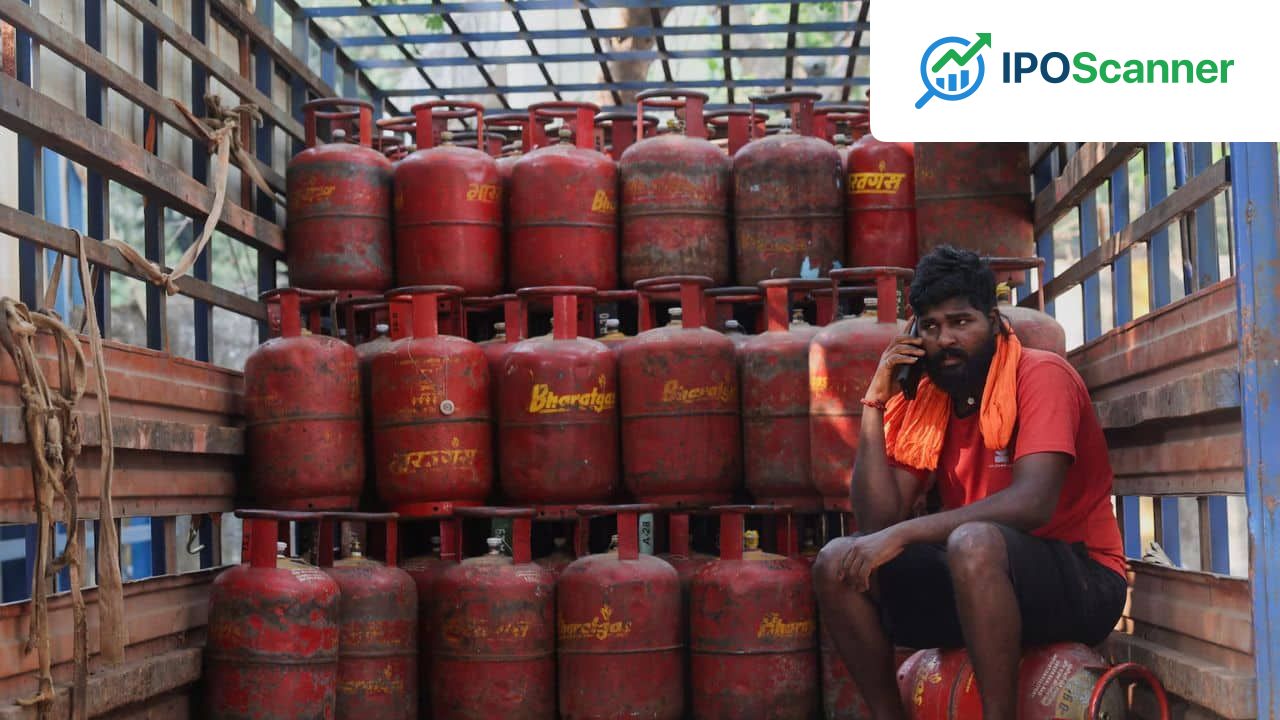
India to Establish Price Buffer for Petrol, Diesel, LPG Amid West Asia Conflict-Driven Supply Concerns
India Considers Financial Buffer for Petrol, Diesel, and LPG Amid Global Price Volatility
India is exploring the creation of a financial buffer for petrol, diesel, and LPG to manage supply disruptions and global price volatility, according to a recent report by Mint. This proposal comes as the West Asia war has pushed up crude prices, raising concerns over energy flows through the Strait of Hormuz.
The proposed mechanism would be similar in concept to the government's price stabilization fund (PSF), used to contain inflation in essential farm commodities such as pulses, onions, potatoes, and tomatoes. If implemented, India could create a dedicated tool to release petroleum products during periods of abnormal price stress, similar to how it intervenes in food markets.
A recent meeting of the empowered group of secretaries discussed the plan, with the Union ministries of consumer affairs, food and public distribution, and petroleum and natural gas exploring the idea. The government is considering adapting the PSF model for energy commodities, with discussions centered on financing, triggering intervention, and deploying the fund without distorting market signals.
Read also: Treasury Yields Experience Largest Increase in Two Weeks Following Release of Labor Market Data
Key Players
- The Union ministries of consumer affairs, food and public distribution, and petroleum and natural gas are exploring the idea.
- The petroleum ministry is examining whether a dedicated buffer could become a more predictable and transparent tool for price management.
How a Fuel Price Stabilization Fund Could Work
The proposed fund would focus on finished petroleum products, unlike India's strategic petroleum reserves, which are crude oil stockpiles owned and managed by Indian Strategic Petroleum Reserves Ltd. Under the framework being explored, the government could enter into contracts with oil refiners and oil marketing companies to create a buffer reserve of fuels such as petrol, diesel, and LPG. These supplies could then be released during periods of crisis to cool prices and improve market availability.
Read also: US-Iran Tensions Spark Uptick in Oil Prices Amid Global Market Decline
| Company | Number of Pumps | Price Increase |
|---|---|---|
| Nayara Energy | 3,500 | Raised retail fuel prices |
| Shell | 4,000 | Raised retail fuel prices |
| State-run oil marketing companies | N/A | Increased prices of premium fuels and industrial diesel |
Why This Matters Now
Crude prices have climbed to around $100 per barrel from about $70 before the war, with policymakers dealing with uncertainty around supplies through the Strait of Hormuz. The price shock has already started showing up unevenly in the domestic market, with private retailers raising retail fuel prices and state-run oil marketing companies increasing prices of premium fuels and industrial diesel.
| Fuel Type | Under-recoveries (Rs/litre) |
|---|---|
| Petrol | Rs 25 |
| Diesel | Rs 105 |
The government has already cut excise duty on petrol and diesel by Rs 10 per litre to discourage state-run OMCs from raising pump prices for regular fuels. However, the pressure has not disappeared, with under-recoveries for state-run OMCs standing at about Rs 25 per litre on petrol and Rs 105 per litre on diesel.
Not a Subsidy, but a Crisis Tool
The proposed fund is not being seen as a blanket subsidy mechanism but as an intervention tool for periods of abnormal price rise. It would allow the government to increase supply in the market to prevent a broader inflation shock, similar to how the farm-sector PSF works. For the current fiscal year, the government has allocated Rs 4,100 crore under the PSF to the ministry of consumer affairs.
Storage May Be the Next Big Challenge
A buffer for finished petroleum products would require significant capacity addition, making infrastructure a central part of the policy discussion. The government is already considering a mandatory LPG storage timeline for OMCs to help manage supply uncertainty.
More in Economy

Treasury Yields Experience Largest Increase in Two Weeks Following Release of Labor Market Data

US-Iran Tensions Spark Uptick in Oil Prices Amid Global Market Decline

MoSPI Releases Uniform Norms for DDP Estimates with 2022-23 Base Year

