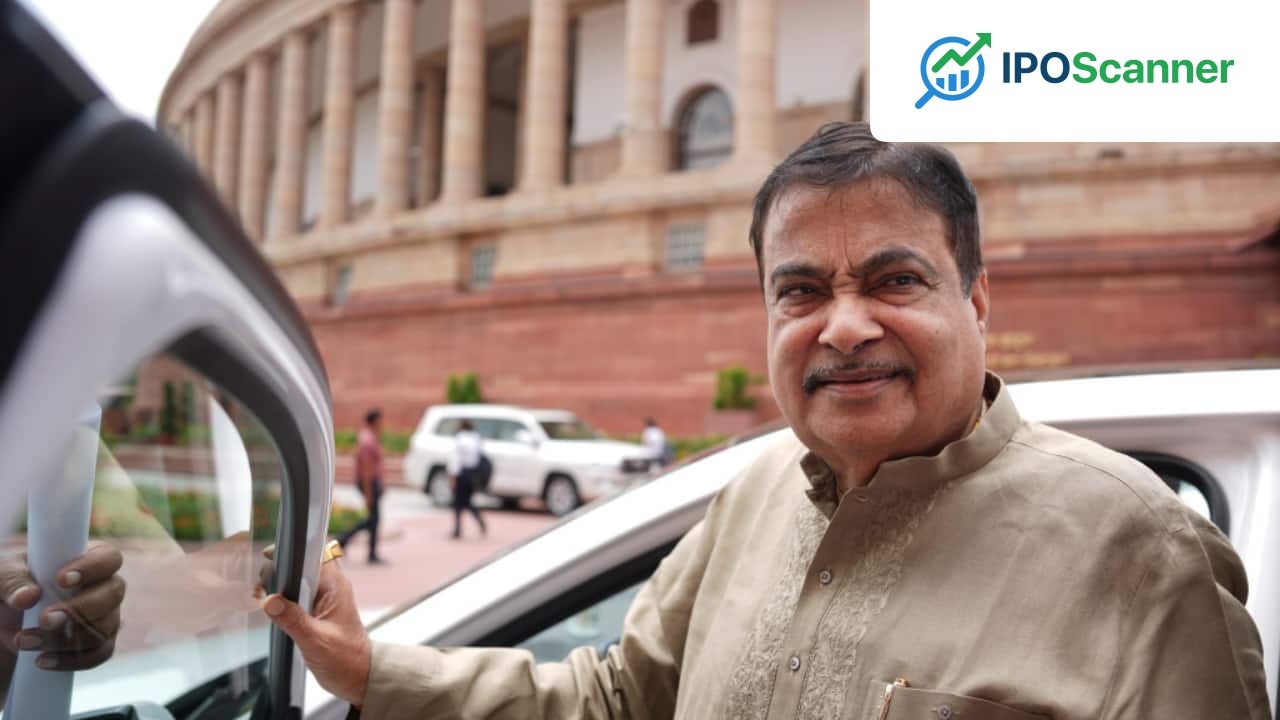
India to Ban Petrol and Diesel Vehicles in the Future, Union Minister Warns Automakers
India's Road Transport Minister Calls for Shift Away from Diesel and Petrol Vehicles
As concerns over fuel supply disruptions and import dependence sharpen amid geopolitical tensions, Union Road Transport and Highways Minister Nitin Gadkari has emphasized the need for a transition to cleaner alternatives in India's public transport ecosystem. The minister stated that diesel and petrol vehicles have no future in India's public transport system, urging manufacturers to accelerate the shift towards cleaner alternatives such as hydrogen, ethanol, CNG, LNG, and electric powertrains.
According to a report by The Economic Times, Gadkari pointed out that India's dependence on imported fossil fuels increases economic vulnerability, particularly during periods of global geopolitical disruption. He asked vehicle makers and fleet operators to focus on alternatives that can reduce reliance on imported fuels. The minister noted that several manufacturers are participating in trials of hydrogen powertrains, with major Indian companies such as Tata Motors, Volvo, Ashok Leyland, and Mahindra & Mahindra involved in hydrogen fuel trials.
Hydrogen Pilot Projects Underway
Read also: Treasury Yields Experience Largest Increase in Two Weeks Following Release of Labor Market Data
The ministry has already started hydrogen mobility pilot programmes, with several routes in operation. Gadkari stated that the ministry is running hydrogen trucks and buses on 10 routes, with hydrogen being touted as the fuel of the future. India has expanded policy support for green hydrogen through the National Green Hydrogen Mission, with transport identified as one of the sectors for pilot deployment.
Ethanol and Flex-Fuel Push
The minister also reiterated support for ethanol-based mobility solutions, with a focus on making flex engines. India has been raising ethanol blending in petrol through phased targets as part of a broader strategy to reduce crude oil imports and support domestic feedstock supply chains. Automakers such as Toyota Motor Corporation and domestic manufacturers have showcased flex-fuel compatible vehicles in India as policy discussions gathered pace.
| Company | Ethanol Blending Targets |
|---|---|
| India | 20% ethanol in petrol |
| Toyota Motor Corporation | Flex-fuel compatible vehicles |
Read also: US-Iran Tensions Spark Uptick in Oil Prices Amid Global Market Decline
Bus Safety Norms Tightened
Separately, Gadkari said bus registrations will now require physical and video-format approvals uploaded on the Vahan portal, replacing the earlier self-certification regime for bus manufacturers. The minister stated that without physical and video inspection, buses will not get registered. The government has tightened vehicle safety oversight in recent years following multiple accidents involving passenger transport vehicles and a wider regulatory push for standardised body-building norms.
Capacity Gap in Bus Manufacturing
Gadkari stated that demand for electric buses alone could reach 1.5 lakh units over the next three years, while current manufacturing capacity is about 70,000 buses annually. The minister urged manufacturers to expand capacity by at least three times and focus on quality, safety, and comfort. India currently has about two buses per 1,000 people, compared with a global benchmark of eight buses. The minister also called for more accessible bus designs, including hydraulic kneeling systems for city buses to support persons with disabilities and senior citizens.
Investor Takeaway
Investors should consider the potential impact of a ban on petrol and diesel vehicles on the auto sector and related industries.
More in Economy

Treasury Yields Experience Largest Increase in Two Weeks Following Release of Labor Market Data

US-Iran Tensions Spark Uptick in Oil Prices Amid Global Market Decline

MoSPI Releases Uniform Norms for DDP Estimates with 2022-23 Base Year

