India Sees Potential Benefit in US Section 301 Tariffs
India-US Trade Talks Enter Final Stages as Piyush Goyal Expects US Trade Representative Visit
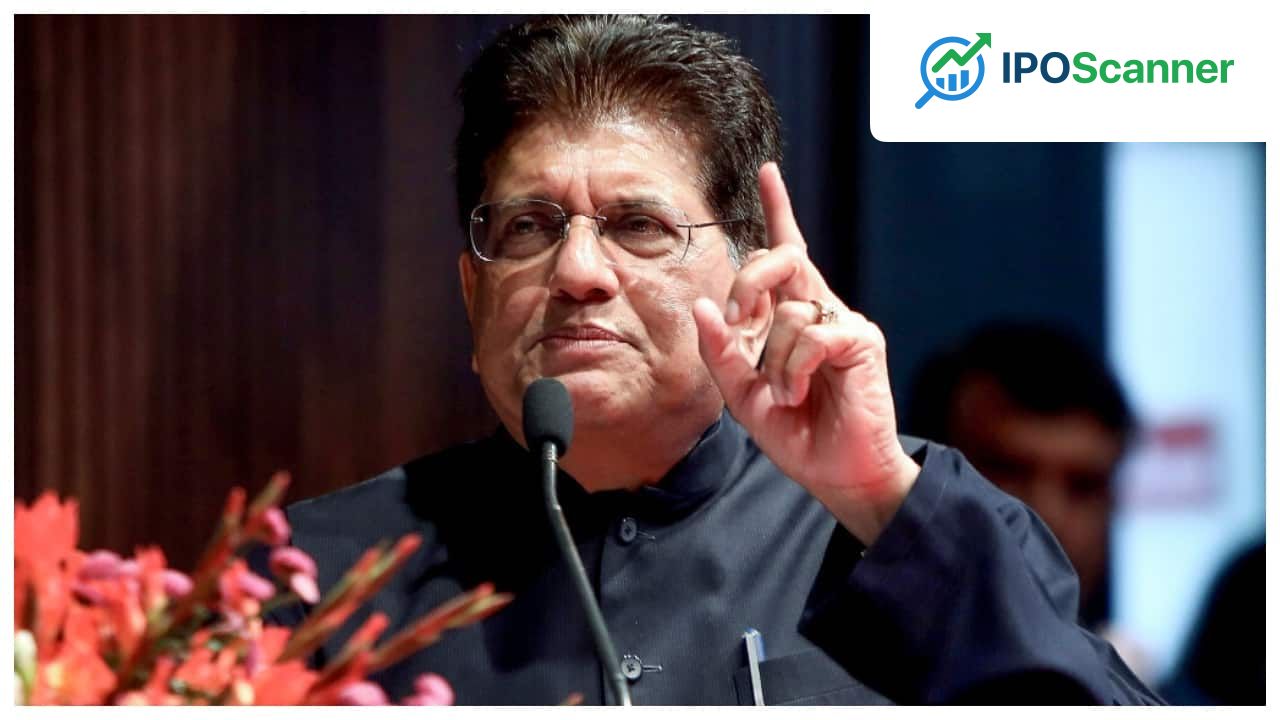
Commerce and Industry Minister Piyush Goyal has indicated that negotiations for the proposed India-US interim trade agreement are entering their final stages, with US Trade Representative Jamieson Greer expected to visit India within the next two weeks for further discussions.
India remains confident of securing a trade agreement with the United States while safeguarding its interests amid ongoing discussions around proposed US tariffs under Section 301 of the US Trade Act. Goyal has expressed confidence that the deal will be beneficial for both countries, stating that India will protect its interests and that the agreement will be a good one.
The comments come days after Indian and US negotiators concluded another round of talks in New Delhi aimed at narrowing differences on the interim trade pact. Both sides have previously indicated that negotiations are in the final leg, with Goyal earlier suggesting that an agreement could be reached by July.
Read also: RBI Monetary Policy Announcement: Implications for Consumers and the Economy
Section 301 Tariff Proposals: A Broader Context
Addressing concerns around the US Trade Representative's recent Section 301 investigations, Goyal said the proposed measures should be viewed in the broader context of Washington's trade policy. The USTR has proposed a 12.5 percent tariff on imports from India while also considering tariffs ranging from 10 percent to 12.5 percent on products from 59 other countries over alleged shortcomings in preventing imports linked to forced labor.
India's Stance on Trade Negotiations
Goyal reiterated that India would continue to pursue what it considers fair and balanced trade agreements and would not negotiate on externally imposed timelines. He said geopolitical shifts globally were leading to a realignment of economic partnerships and friendships, adding that trade agreements must reflect India's long-term interests.
Read also: India Makes Fresh Bid to Join Premier Global Bond Indices Following Tax Reform
Investment and Trade Engagement Strategy
India has accelerated its trade engagement strategy in recent years, signing multiple bilateral agreements and expanding negotiations with several economies. According to Goyal, the government has concluded nine bilateral trade agreements covering 38 advanced economies over the past three-and-a-half years. Negotiations are currently underway with countries and trading blocs including Israel, Canada, Chile, Peru, Mexico, Mercosur, the South African Customs Union, and Eurasian nations.
Government Open to Chinese Investment
On investment flows from China, Goyal said India remains open to Chinese investments provided they are directed toward sectors considered desirable and are not aimed at acquiring Indian assets opportunistically. His remarks come after the government eased approval norms in March for investments from countries sharing land borders with India.
No Rethink on RCEP Decision
Goyal ruled out any reconsideration of India's decision to stay out of the Regional Comprehensive Economic Partnership (RCEP), the 15-country Asia-Pacific trade bloc led by ASEAN economies and including China. He questioned the rationale behind India's participation in the negotiations under the previous UPA government, noting that India already had trade arrangements with most member countries except China.
Merchandise Trade Deficit with China
According to Goyal, India's merchandise trade deficit with China stood at $112.4 billion in 2025-26. He linked India's large merchandise trade deficit with China to the need for stronger domestic manufacturing capabilities and stricter enforcement against practices such as dumping and predatory pricing.
Adjustments Under CETA
Goyal indicated that India's recently concluded Comprehensive Economic and Trade Agreement (CETA) with the United Kingdom may require adjustments after Britain decided to proceed with restrictions on steel imports. The UK government announced on March 19 that it would reduce tariff-free steel import quotas from July 1, 2026, cutting overall quota volumes by 60 percent compared with the current safeguard regime. Imports exceeding those limits would attract a 50 percent tariff.
Focus on Exports and Global Expansion
The minister called on Indian businesses, including financial services firms, to expand their international footprint and explore opportunities beyond the domestic market. India is targeting combined goods and services exports of $1 trillion in the current financial year, up from $863 billion in 2025-26. The government has set a target of achieving exports worth $2 trillion by 2030-31 and $6 trillion by 2047.
No Restrictions on Capital Repatriation or Outbound Investments
Goyal ruled out restrictions on capital repatriation or outbound investments, citing comfortable foreign exchange reserves and a current account deficit that remains below 2 percent.
Investor Takeaway
India remains confident of securing a trade agreement with the US while safeguarding its interests.
More in Economy
RBI Monetary Policy Announcement: Implications for Consumers and the Economy

India Makes Fresh Bid to Join Premier Global Bond Indices Following Tax Reform
Tata Trusts to Review Financial Performance of Air India and Tata Digital Ahead of Tata Sons Board Meeting