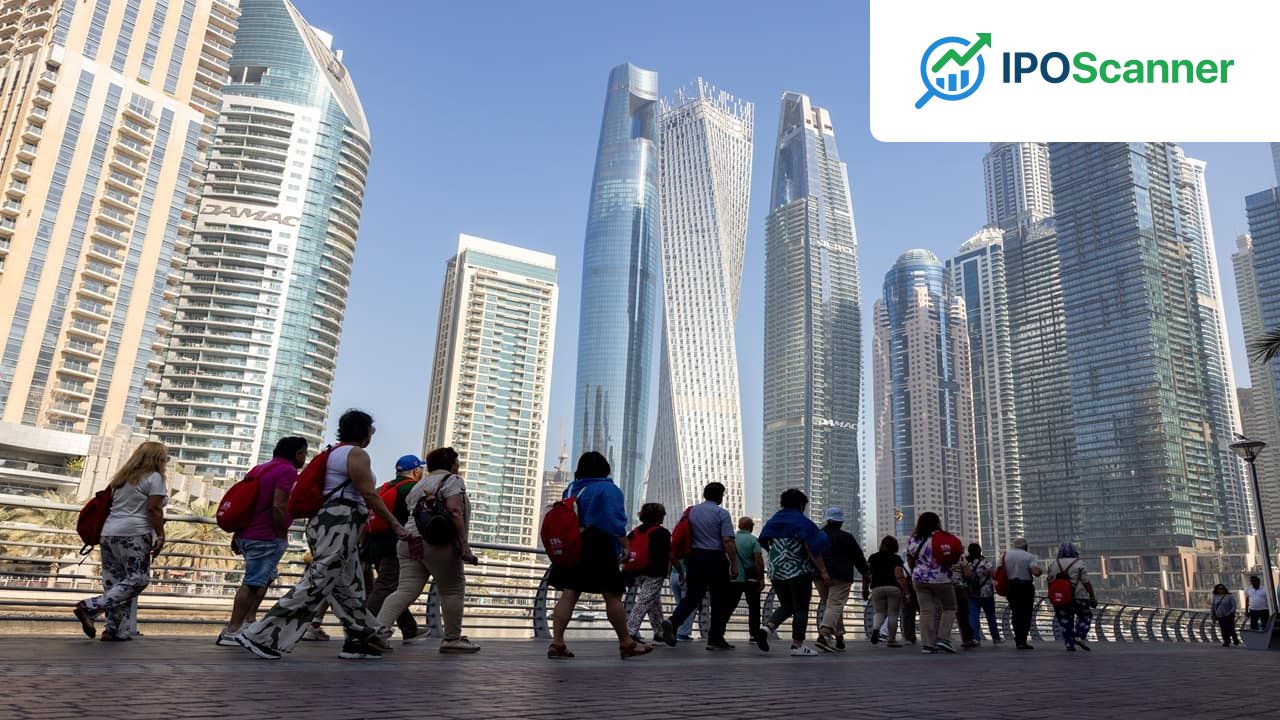
India Sees Opportunity in Dubai's Real Estate Pause, Luxury Segment Eyes Tactical Play
Dubai Property Market Slowdown Spurs Potential Gains for Indian Luxury Real Estate
The ongoing Iran-US conflict has brought Dubai's property market to a standstill, prompting concerns about the potential impact on the Indian luxury real estate sector. According to data from the Dubai Land Department, property sales have collapsed by 44 percent year-on-year since February-end, revealing a slowdown across home, villa, office, and commercial markets.
In periods of global uncertainty, investors tend to favor relatively stable domestic markets, industry analysts said. India's residential sector, supported by strong end-user demand and economic growth, could benefit from investors delaying or reconsidering overseas investments. On February 28, the US and Israel launched strikes on Iran, triggering a wave of Iranian retaliatory strikes against American bases and allies in the region, including the United Arab Emirates, widening the conflict to West Asia.
Dubai's Uncertainty Weighs on Investor Sentiment
Read also: Treasury Yields Experience Largest Increase in Two Weeks Following Release of Labor Market Data
Early indications are that Dubai, the second-largest emirate with a real estate market that draws global interest, is witnessing a pause in transactions. The uncertainty surrounding the conflict has weighed on investor sentiment, market observers say. Some buyers are deferring purchases, and deal closures are taking longer, reflecting a cautious approach.
Potential Spillover to India
This could create a short-term opportunity for Indian luxury housing markets in cities such as Gurugram, Mumbai, and Bengaluru, which compete with Dubai for high-net-worth investor capital, analysts said. Developers in India's luxury segment have already been witnessing strong demand from affluent buyers, and any slowdown in outbound investment may further support domestic sales.
| City | Dubai Property Sales (YoY) | Indian Luxury Real Estate Sales (YoY) |
|---|---|---|
| Dubai | -44% | +10% (Gurugram), +12% (Mumbai), +8% (Bengaluru) |
| Gurugram | +10% | |
| Mumbai | +12% | |
| Bengaluru | +8% |
Read also: US-Iran Tensions Spark Uptick in Oil Prices Amid Global Market Decline
According to Vishal Raheja, founder and managing director of InvestoXpert Advisors, the current moderation in Dubai's real estate market reflects a cyclical recalibration within an increasingly interconnected global investment landscape, rather than any underlying structural shift. India's luxury residential sector is steadily reinforcing its position as a credible domestic anchor, underpinned by sustained economic growth, progressive regulatory frameworks, and resilient end-user demand.
A Short-Term Shift
The current situation may lead to a short-term diversion of investor interest toward India's luxury housing market. However, a sustained shift is unlikely unless geopolitical tensions persist, analysts said. For now, the impact will likely be sentiment-driven, with India increasingly seen as a stable, complementary market within global real estate portfolios.
Investor Takeaway
Investors may consider India's residential sector as a relatively stable domestic market during periods of global uncertainty.
More in Economy

Treasury Yields Experience Largest Increase in Two Weeks Following Release of Labor Market Data

US-Iran Tensions Spark Uptick in Oil Prices Amid Global Market Decline

MoSPI Releases Uniform Norms for DDP Estimates with 2022-23 Base Year

