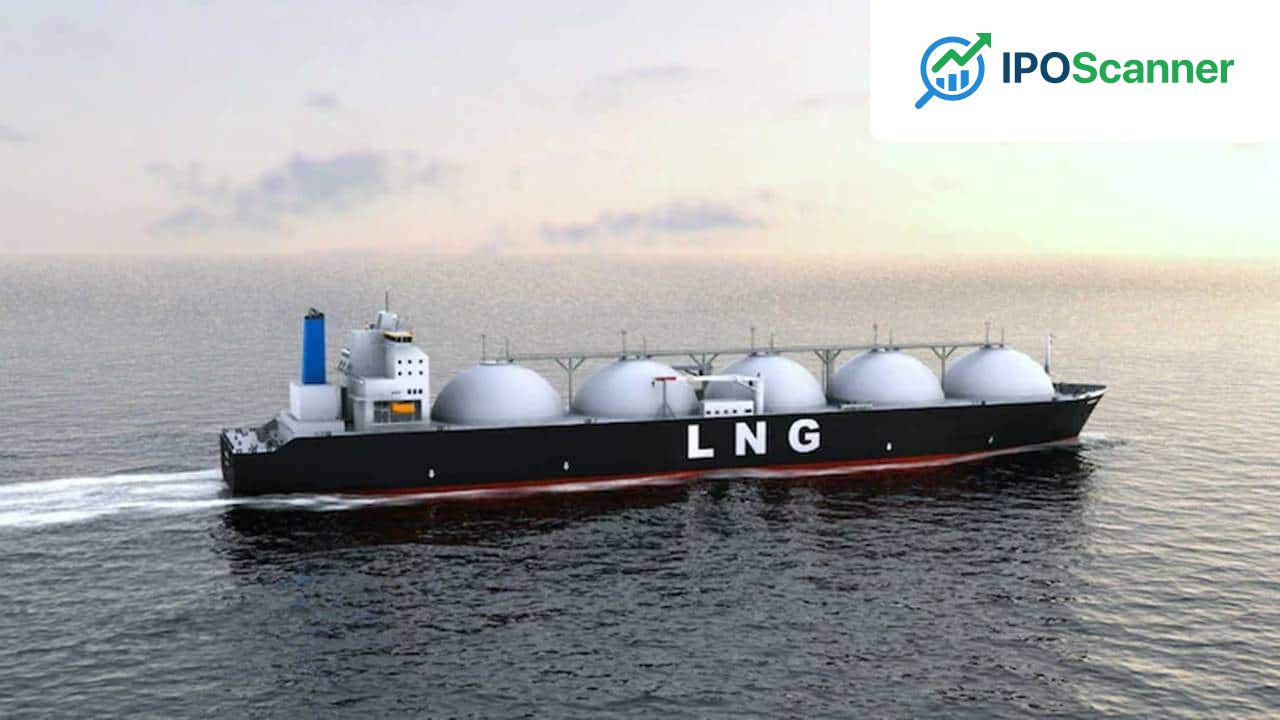
India Seeks to Increase LNG Storage Capacity Amid Supply Disruptions from Qatar
India Aims to Enhance LNG Storage Capacity Amid West Asia Conflict
India, reliant on imported natural gas for 50% of its requirements, is looking to bolster its liquefied natural gas (LNG) storage capacity in response to supply disruptions caused by the ongoing conflict in West Asia. The country's largest gas importer, Petronet LNG, plans to expand its storage capacity by constructing new tanks at multiple terminals, according to CEO A K Singh.
India imports LNG from countries like Qatar and the US, which is used to generate electricity, produce fertiliser, and power industries. However, since the start of the West Asia conflict, supplies from Qatar and the UAE have been affected, leading to a scramble for alternative sources. Petronet LNG, which accounts for 40% of all imports, is seeking to enhance its storage capacity to mitigate potential disruptions.
The company plans to construct two tanks at Gopalpur in Odisha, add one at Kochi in Kerala, and pursue additional storage at Dahej in Gujarat. Seven tanks are in the pipeline, which will complement the national-level evaluation of optimal strategic LNG reserves to manage future crises.
Read also: Treasury Yields Experience Largest Increase in Two Weeks Following Release of Labor Market Data
| Terminal | Current Capacity | Additional Capacity |
|---|---|---|
| Gopalpur | - | 2 tanks |
| Kochi | 5 million tonnes/year | 1 tank |
| Dahej | 22.5 million tonnes/year | - |
| Total | 27.5 million tonnes/year | 3 tanks |
Petronet LNG currently operates 10 out of the country's 23 LNG tanks, handling 26.5 million tonnes of imported fuel in 2025-26. The company has eight tanks at the Dahej import facility and two at the Kochi terminal.
The West Asia conflict has led to a halt in LNG shipments from Qatar, with no cargoes arriving in March or April and May expected to be similarly affected. Petronet LNG has two long-term import contracts - a 7.5 million tonnes/year deal with Qatar and a 1.42 million tonnes/year contract with ExxonMobil. The company's one vessel, Disha, was loaded with LNG but got stranded due to the conflict.
Singh stated that Petronet LNG is not advocating for more long-term contracts and will instead rely on available capacity and expected future spot buying when prices soften. The company historically received 9-10 cargos per month from Qatar, but none have arrived since March.
Read also: US-Iran Tensions Spark Uptick in Oil Prices Amid Global Market Decline
| Month | Cargos from Qatar |
|---|---|
| January | 27-28 |
| February | 27-28 |
| March | 0 |
| April | 0 |
| May | 0 |
Before the conflict, imports were on the rise, and prices were stable. Singh noted that if the crisis had not occurred in March, the company would have broken all records.
Investor Takeaway
India's plan to increase LNG storage capacity may have a positive impact on the country's energy security.
More in Economy

Treasury Yields Experience Largest Increase in Two Weeks Following Release of Labor Market Data

US-Iran Tensions Spark Uptick in Oil Prices Amid Global Market Decline

MoSPI Releases Uniform Norms for DDP Estimates with 2022-23 Base Year

