India Seeks Alternative Crude Supplies Amid Ongoing Iran Conflict
India Secures Alternative Crude Supplies Amid Middle East Tensions
Key Figures:
- 88%: Percentage of India's crude oil requirement imported from abroad
- 50 days: Combined inventory that can meet the country's demand for crude and finished products
- 144 million barrels: Crude oil stored in onshore facilities
- 9.5 days: Capacity of India's Strategic Petroleum Reserves to cover net oil imports
- 64.5 days: Storage capacity for crude and petroleum products equivalent to net imports
- 74 days: Total storage capacity for crude and petroleum products
- $92 per barrel: International crude oil prices
- $70 per barrel: Pre-conflict crude oil prices
- 20-25 basis points: Potential increase in the consumer price index for every $10 increase in crude prices
India's refineries have begun negotiating for additional crude cargoes from the US, Russia, and West Africa to ensure adequate supplies in the event of a prolonged Middle East conflict. Industry officials and analysts report that refineries have deferred planned maintenance shutdowns and are maintaining normal processing rates to create buffers that could meet the country's crude requirement in the near term.
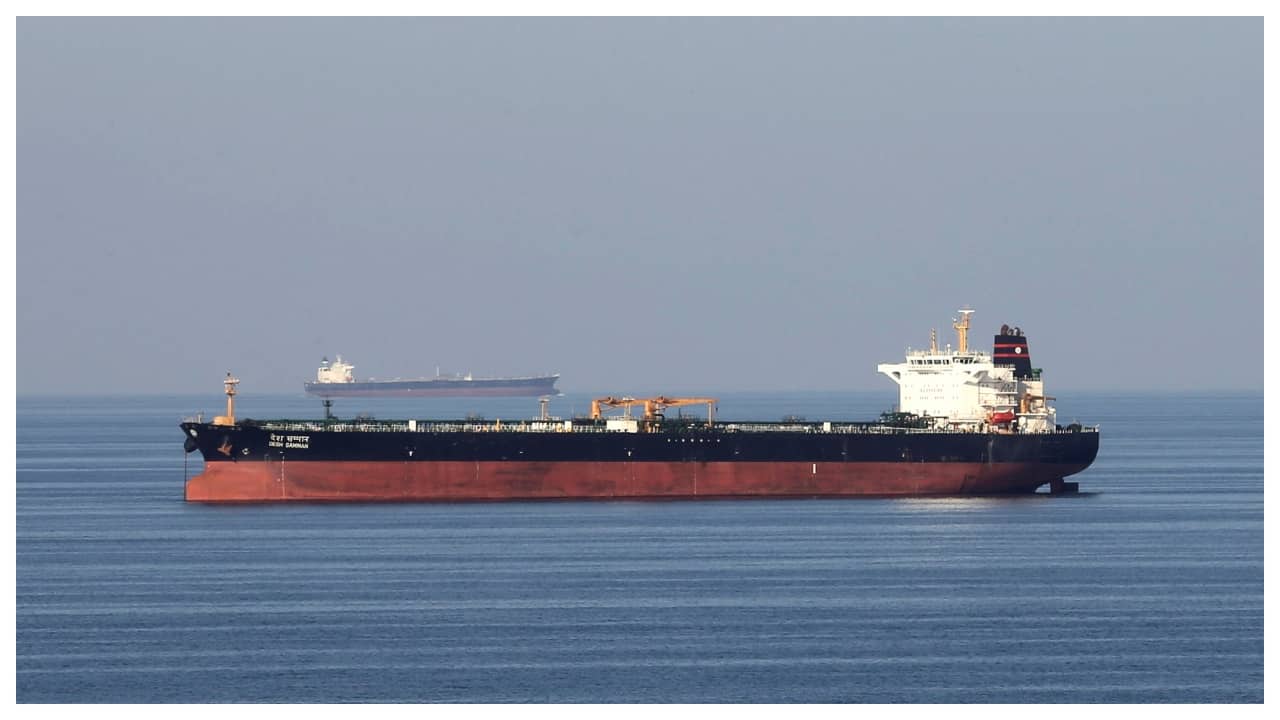
India imports approximately 88% of its crude oil requirement, with 53% of February imports passing through the Strait of Hormuz. The recent military strikes by the US and Israel on Iran and Tehran's retaliatory attacks have sharply escalated tensions in the region, leading to a near-halt in tanker movements through the strategic waterway.
To mitigate the impact of the conflict, Indian refiners are tapping crude from West Africa, Latin America, and the US. The US Treasury Department has issued a 30-day waiver to allow the sale and delivery of sanctioned Russian oil that has already been loaded on vessels to India. This waiver has opened up another avenue for Indian refiners, who have started buying Russian oil.
Reliance Industries, Hindustan Petroleum Corporation Ltd, and HPCL-Mittal Energy Ltd have returned to the market to secure Russian cargoes, after halting purchases following US sanctions imposed last year on Moscow's leading producers Rosneft and Lukoil.
India currently holds approximately 144 million barrels of crude in onshore storage, equivalent to around 30 days of coverage at 2025 import levels. The country's Strategic Petroleum Reserves have a capacity to cover about 9.5 days of net oil imports, and state-run oil companies have storage for crude and petroleum products equivalent to 64.5 days of net imports.
Read also: RBI Policy Preview: A Cautionary Wait Ahead
While India may be able to secure adequate physical crude through alternative sources, analysts caution that the overall cost structure could worsen due to higher crude prices, increased freight and insurance premiums, and longer shipping routes. International crude oil prices have jumped to over $92 per barrel from around $70 when the US and Israel attacked Iran on February 28.
The higher prices will add to India's import bill, analysts said, adding sourcing from non-Middle Eastern suppliers means longer shipping and higher freight. Insurance premiums have also jumped, and every $10 increase in crude prices could add 20-25 basis points to the consumer price index if passed on to consumers, or widen the fiscal deficit if taxes are cut to neutralise the impact.
Investor Takeaway
Investors should be prepared for potential disruptions in global oil supplies due to the ongoing conflict in the Middle East.
More in Economy

FirstClub Secures $55 Million in Funding from Peak XV, Sofina, and Other Investors 9 Months After $22 Million Series A Round

RBI Policy Preview: A Cautionary Wait Ahead

RBI Rate Cuts May Come to an End Amid Rising Oil Prices and Weakening Rupee: Expert Analysis