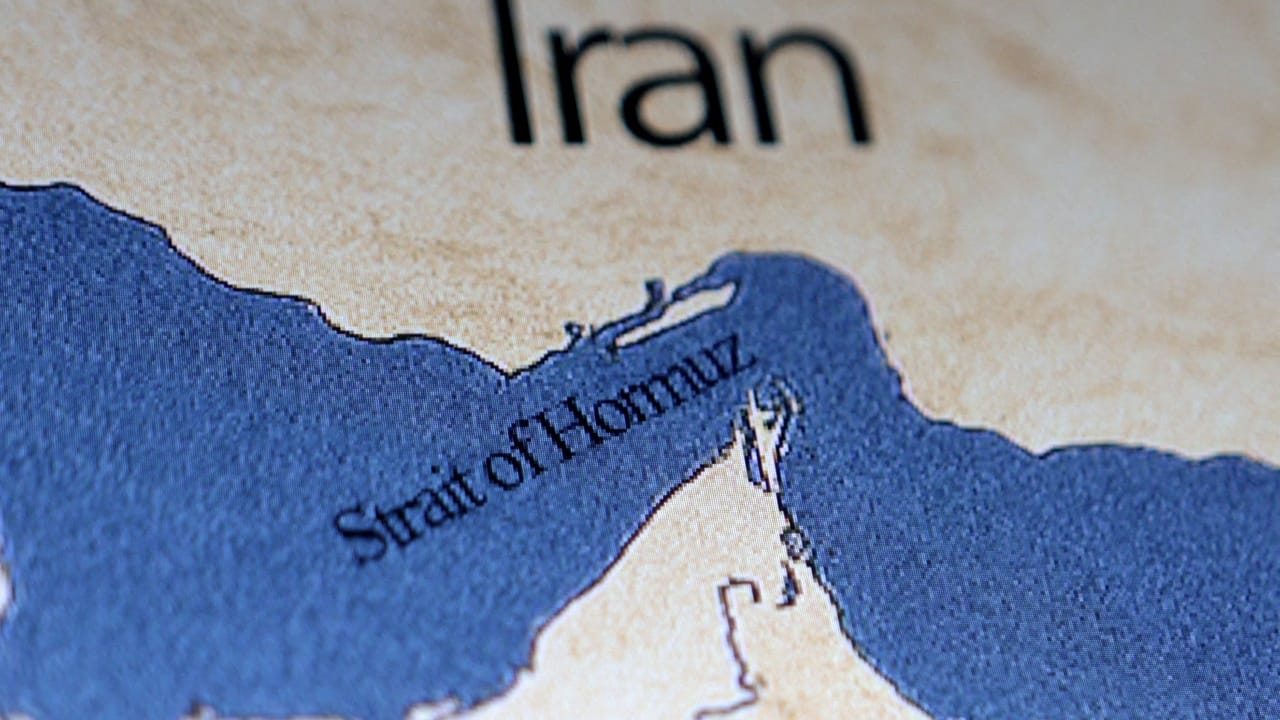
India Redirects Crude Imports Through Saudi and UAE Pipelines to Avoid Hormuz Strait
India's Energy Imports Shift Amid Strait of Hormuz Closure
India's refiners have increased imports through alternative routes, including Saudi Arabia's East-West pipeline and the UAE's Habshan-Fujairah oil pipeline, to bypass the closed Strait of Hormuz. The Strait has been closed for over 10 days due to the ongoing conflict in West Asia.
Crude Imports through Alternative Routes
- 5 million barrels per day transported through Saudi Aramco's East-West pipeline from Abqaiq to Yanbu port on the Red Sea
- 1.5 million barrels per day transported through Abu Dhabi National Oil Company's Habshan-Fujairah oil pipeline
Read also: Treasury Yields Experience Largest Increase in Two Weeks Following Release of Labor Market Data
These pipelines are operating at full capacity, offsetting the loss of energy exports through the Strait of Hormuz. However, the capacity of these alternative routes remains insufficient to fully compensate for the loss of shipments through the Strait.
India's Crude Imports
- Previously imported 2.5-2.7 million barrels per day through the Strait of Hormuz
- Saudi Arabia's crude oil loading from Yanbu to India surged to 8.8 million barrels this month, against zero in previous months
- 4.2 million barrels scheduled for April, though figures can change as final destinations are confirmed
Fujairah Pipeline Exports
Read also: US-Iran Tensions Spark Uptick in Oil Prices Amid Global Market Decline
- 4.3 million barrels exported to India through the Fujairah pipeline in March, against 5.3 million barrels in February
- Analysts expect Fujairah's export volumes to rise, but tracking remains difficult due to tankers switching off transponders
Government Secured Arrivals
- 20 very large gas carriers (VLGCs) secured to carry around 1 million tonnes, primarily from the US
- Arrivals expected through Yanbu and Fujairah
Constrained Tanker Availability
- Shipping activity suggests most shipowners remain reluctant to transit the Strait of Hormuz
- Storage pressure continues to build across Gulf producers, raising the likelihood of further output cuts or well shut-ins
Impact on West Asian Exports
- West Asian exports are still at about one-third of normal levels, despite alternative routes
- Asian refiners are expected to step up purchases of long-haul cargoes from the Atlantic Basin
Investor Takeaway
Investors should be cautious of potential disruptions in global energy supplies due to the ongoing conflict in West Asia.
More in Economy

Treasury Yields Experience Largest Increase in Two Weeks Following Release of Labor Market Data

US-Iran Tensions Spark Uptick in Oil Prices Amid Global Market Decline

MoSPI Releases Uniform Norms for DDP Estimates with 2022-23 Base Year

