India-Pakistan Trade Plummets to Near-Zero Levels, Down from $1.2 Billion, One Year After Operation Sindoor
India-Pakistan Trade Ban Enters Second Year with No End in Sight
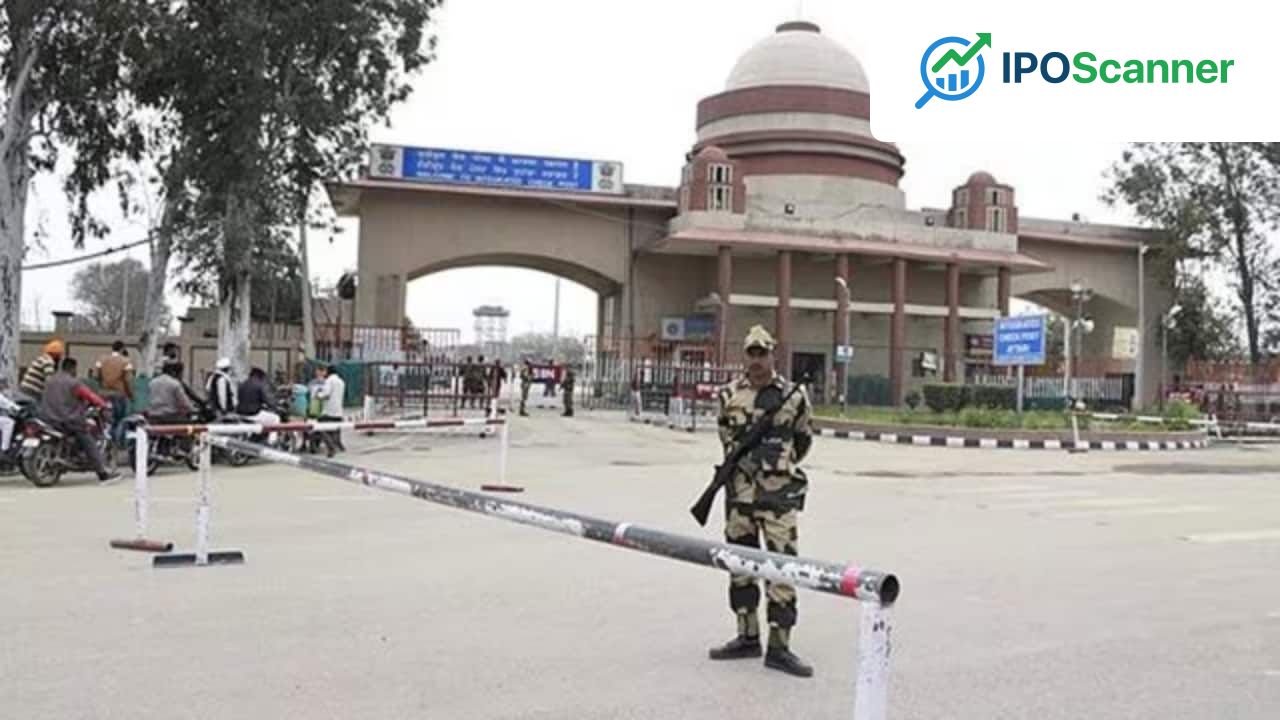
One year after the Pahalgam terror attack on May 6-7, 2025, India's economic measures imposed in response remain firmly in place. The Attari-Wagah border, the sole land trade route between the two nations, continues to be shut, while Pakistani airspace remains closed to Indian airlines. The Indus Waters Treaty, a decades-old agreement governing water access, hangs in abeyance, with no signs of a resolution.
The impact on bilateral trade has been devastating. Prior to the ban, India-Pakistan trade had already declined sharply from $2.41 billion in 2018 to $1.2 billion by 2024. The last full pre-ban period saw India export $447.65 million to Pakistan, while Pakistan's exports to India stood at just $0.42 million.
| Pre-Ban Trade (2024-2025) | India Exports to Pakistan | Pakistan Exports to India |
|---|---|---|
| 2024 | $447.65 million | $0.42 million |
| 2025 (Jan-Mar) | $208 million | $0.12 million |
Read also: Treasury Yields Experience Largest Increase in Two Weeks Following Release of Labor Market Data
Despite the formal ban, some trade continues, albeit in a limited capacity. In July-September 2025, Pakistan imported $36.6 million from India, primarily pharmaceutical raw materials under humanitarian exemptions. Informal trade routed through third countries like the UAE and Singapore has been estimated at $10 billion, though enforcement efforts are in place to curb it.
The Attari-Wagah Integrated Check Post remains closed as of May 2026, disrupting Afghanistan's imports and severely impacting the local economy. Pakistan's airspace has been closed to all Indian carriers since April 24, 2025, with significant financial losses estimated at Rs 7,000 crore ($800 million) annually.
The Indus Waters Treaty, which has survived three India-Pakistan wars without interruption, remains in abeyance. India's Home Minister Amit Shah has stated that the treaty will never be restored, while Pakistan's President Asif Ali Zardari has expressed concerns over India's decision, which he believes undermines the treaty's spirit.
Pakistan's economy has been severely impacted, particularly in the pharmaceutical sector, which was heavily reliant on Indian imports. With the ban in place, Pakistan's pharma industry has been forced to seek alternative suppliers, resulting in significantly higher costs. The country's broader economic position provides little buffer, as it is in the midst of its 25th IMF bailout.
Read also: US-Iran Tensions Spark Uptick in Oil Prices Amid Global Market Decline
As of May 2026, all measures remain in force, with no visible diplomatic pathway to resuming trade in sight. The India-Pakistan trade ban continues to exact a heavy toll on both economies, with no end to the impasse in sight.
Investor Takeaway
Investors should be cautious of the ongoing trade tensions between India and Pakistan.
More in Economy

Treasury Yields Experience Largest Increase in Two Weeks Following Release of Labor Market Data

US-Iran Tensions Spark Uptick in Oil Prices Amid Global Market Decline

MoSPI Releases Uniform Norms for DDP Estimates with 2022-23 Base Year

