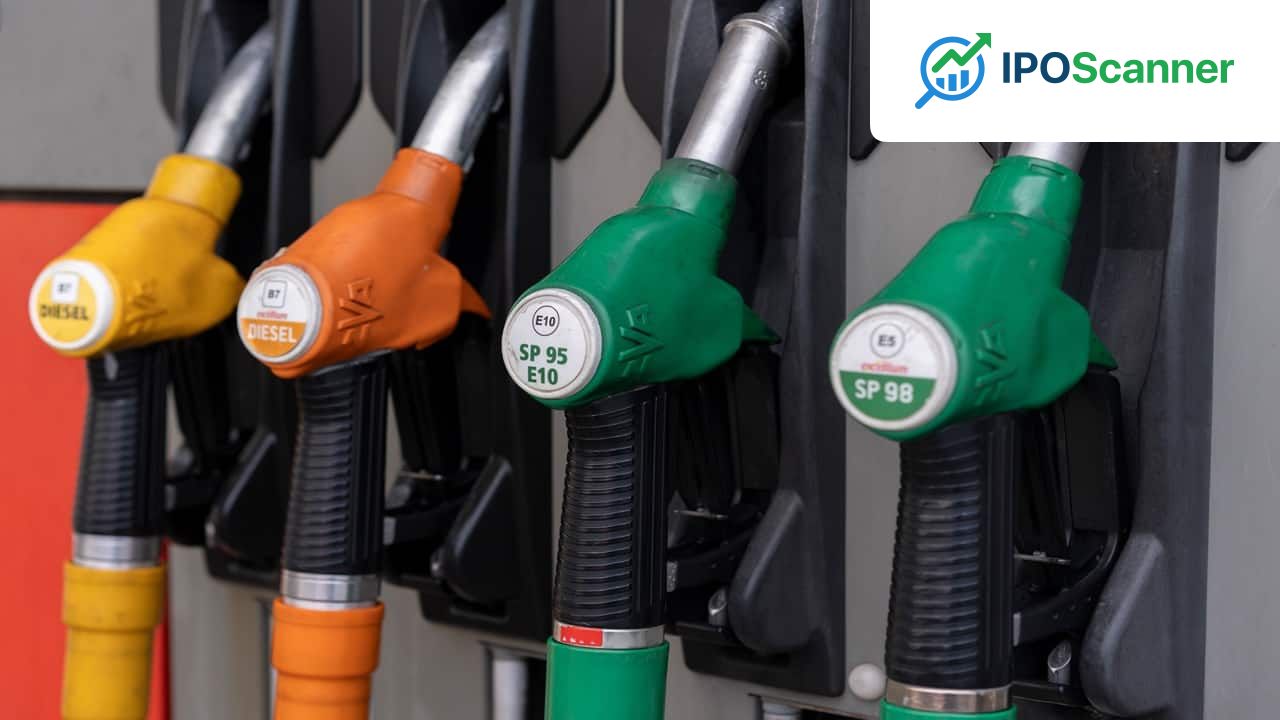
India Mitigates Fuel Crisis Amid Strait of Hormuz Disruption and Rising Global Oil Tensions
India's Refinery Operations Remain Robust Amid Global Energy Market Disruptions
India's refinery operations have continued to function smoothly despite the recent disruptions in global energy markets due to the Strait of Hormuz crisis. According to Pulkit Agarwal, Head of India Content at S&P Global Energy, the country has managed to keep domestic fuel supplies running smoothly by diversifying crude purchases and increasing imports from multiple sources.
India's energy system has been under pressure due to developments in West Asia, but the country has been able to maintain a robust domestic fuel supply chain. This has been achieved by diversifying crude purchases, with India buying a significant amount of Russian oil in the past two months. Additionally, the country has increased imports from multiple sources, ensuring that its refining system remains operational.
| Refinery Run Rates (Recent Months) | Global Energy Market Disruptions |
|---|---|
| Strait of Hormuz Closure | |
| Robust | Significant Impact on Global Energy Markets |
| Turbulence in Global Oil Flows |
Read also: Treasury Yields Experience Largest Increase in Two Weeks Following Release of Labor Market Data
According to Agarwal, India's refinery run rates have remained at a very robust level, helping meet domestic fuel demand despite the turbulence in global oil flows. However, the country lacks the scale of strategic petroleum reserves built by countries such as China, Japan, and South Korea. India's proximity to Middle Eastern suppliers and shorter shipping timelines have traditionally allowed it to operate with relatively low operational oil storage.
India's energy system is vulnerable to disruptions in global energy markets, and the closure of the Strait of Hormuz has had a major impact on the country's downstream energy system. Agarwal noted that India's crude shipments from the Middle East generally take about 7 to 10 days to reach India, making it crucial for the country to maintain a stable and diversified energy supply chain.
In terms of domestic fuel prices, Indian consumers are currently being shielded from the full impact of the surge in global crude prices. However, Agarwal predicts that oil prices could rise to around 120-130 in the next couple of months before receding. On the timeline for recovery in case the conflict ends immediately, Agarwal estimates that global energy systems would still take time to stabilize, with 10-20 weeks required for Middle East energy flows to return to some level of normality.
Investor Takeaway
India's refinery operations remain robust despite global energy market disruptions.
More in Economy

Treasury Yields Experience Largest Increase in Two Weeks Following Release of Labor Market Data

US-Iran Tensions Spark Uptick in Oil Prices Amid Global Market Decline

MoSPI Releases Uniform Norms for DDP Estimates with 2022-23 Base Year

