India Faces Estimated Bill of Rs 1,600-1,700 Crore Per Day, Rs 1 Lakh Crore in 10 Weeks to Mitigate Global Energy Crisis
India's State-Owned Oil Firms Face Financial Crisis Due to Global Energy Shock
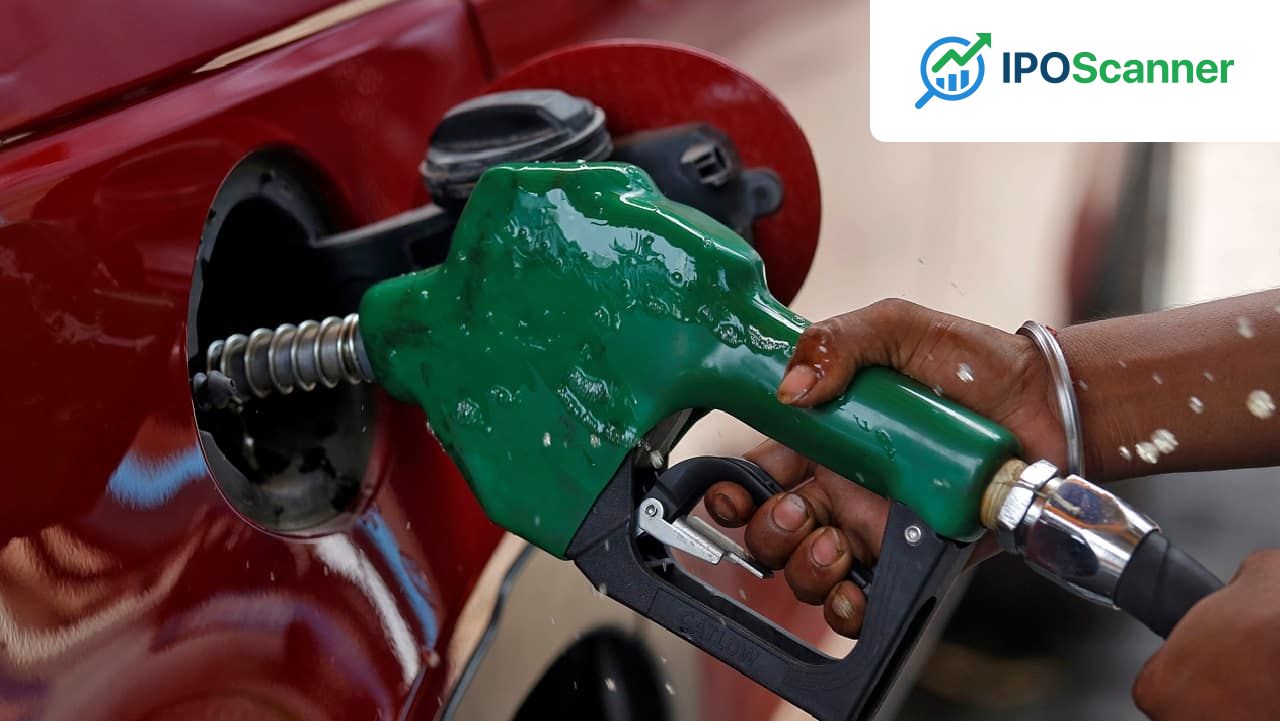
India's state-owned oil marketing companies (OMCs) are incurring a significant financial burden in insulating Indian consumers from the global energy shock. Since the war broke out in the Middle East 10 weeks ago, the three OMCs - Indian Oil Corporation (IOC), Bharat Petroleum Corporation Ltd (BPCL), and Hindustan Petroleum Corporation Ltd (HPCL) - have been ensuring uninterrupted supplies of petrol, diesel, and cooking gas LPG at rates that are way below cost.
The combined under-recovery on petrol, diesel, and cooking gas LPG is estimated to be between Rs 1,600 crore and Rs 1,700 crore daily, resulting in a total under-recovery of over Rs 1 lakh crore in the past 10 weeks. This is a significant financial strain on the OMCs, which have been operating at a loss despite a 50 per cent surge in input crude oil prices.
The retail prices of petrol and diesel in India remain at two-year-old levels, with petrol priced at Rs 94.77 a litre and diesel at Rs 87.67 per litre. Domestic cooking gas LPG prices were raised in March by Rs 60 per cylinder, but they are still way lower than the actual cost.
Read also: Treasury Yields Experience Largest Increase in Two Weeks Following Release of Labor Market Data
| Company | Under-Recovery (Rs crore) | Daily Under-Recovery (Rs crore) |
|---|---|---|
| IOC | ||
| BPCL | ||
| HPCL |
Note: The under-recovery figures for IOC, BPCL, and HPCL are not separately provided, but their combined under-recovery is estimated to be between Rs 1,600 crore and Rs 1,700 crore daily.
The OMCs earn revenues from selling fuel, which are used to buy crude oil, build infrastructure, and lay a network to take the product to consumers. However, the cost of insulating the Indian market is now visible, and the OMCs may have to borrow more to meet their working capital requirements.
The government has taken a hit of Rs 14,000 crore a month in cutting the excise duty to absorb part of the fuel cost burden. The special additional excise duty on petrol was cut to Rs 3 per litre from Rs 13, while excise duty on diesel was reduced to zero from Rs 10 per litre.
Read also: US-Iran Tensions Spark Uptick in Oil Prices Amid Global Market Decline
While countries from Japan to the United Kingdom have raised petrol and diesel prices by up to 30 per cent since the start of the West Asia conflict, fuel prices in India continue at two-year-old levels. The government will have to take a political call on raising petrol and diesel prices, which has become inevitable due to the sustained stress on OMC balance sheets.
Investor Takeaway
Investors should be cautious of the potential financial implications of state-owned oil firms bearing the cost of insulating Indian consumers from the global energy shock.
More in Economy

Treasury Yields Experience Largest Increase in Two Weeks Following Release of Labor Market Data

US-Iran Tensions Spark Uptick in Oil Prices Amid Global Market Decline

MoSPI Releases Uniform Norms for DDP Estimates with 2022-23 Base Year

