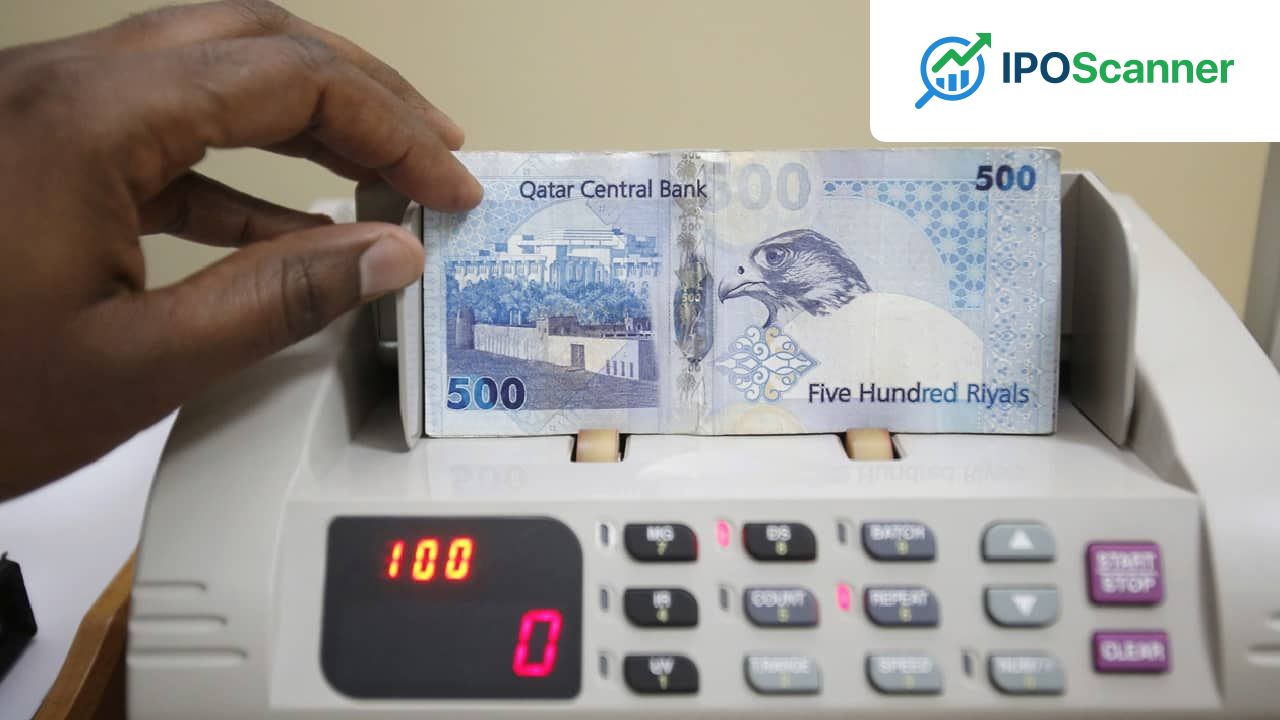
India Eyes Trade Settlement in Local Currencies with Gulf Nations Amid Global Economic Uncertainties
India Seeks to Protect Trade with Gulf Countries through Local Currency Framework
Key Highlights
- India is exploring a framework to settle trade with Gulf countries in local currencies to mitigate the impact of external shocks on its import bill.
- The move aims to reduce exposure to global uncertainties that can disrupt trade flows and inflate import costs, particularly for crude oil and petroleum products.
- 85% of India's crude oil needs are imported, making it vulnerable to price swings.
Background
Read also: Treasury Yields Experience Largest Increase in Two Weeks Following Release of Labor Market Data
The Gulf Cooperation Council (GCC) countries, including Saudi Arabia, United Arab Emirates, Kuwait, Qatar, Oman, and Bahrain, are key suppliers of crude oil to India. Oil prices have been volatile in recent months, with Brent crude prices swinging between $70 and $110 per barrel due to ongoing geopolitical tensions.
Proposed Framework
Enabling trade in local currencies could help reduce the impact of currency volatility and lower conversion costs. 28% of India's total crude oil imports in FY25 came from GCC countries, with Saudi Arabia and UAE supplying the bulk of that volume. The proposed framework would allow trade to be invoiced and paid directly in local currencies, reducing transaction costs and limiting exchange rate risk.
Implementation
Read also: US-Iran Tensions Spark Uptick in Oil Prices Amid Global Market Decline
Discussions on the framework are expected to take place alongside India's free trade agreement (FTA) negotiations with GCC countries. The first round of negotiations is expected in the second half of 2026. India is likely to follow the template used with the UAE, where a Local Currency Settlement (LCS) framework was established through central bank-led arrangements negotiated alongside the trade pact.
Impact
The proposed framework could help mitigate the impact of external shocks on India's import bill and reduce the country's exposure to global uncertainties. It also reflects a broader strategy to promote the use of the rupee in international transactions, particularly in light of the weakening rupee.
Investor Takeaway
India is exploring a framework to settle trade with Gulf countries in local currencies to protect its import bill from external shocks.
More in Economy

Treasury Yields Experience Largest Increase in Two Weeks Following Release of Labor Market Data

US-Iran Tensions Spark Uptick in Oil Prices Amid Global Market Decline

MoSPI Releases Uniform Norms for DDP Estimates with 2022-23 Base Year

