India-EU Trade Pact to Stimulate Domestic Auto Manufacturing: Commerce Ministry Official
India-EU Free Trade Agreement to Boost Automobile Manufacturing and Attract Investments
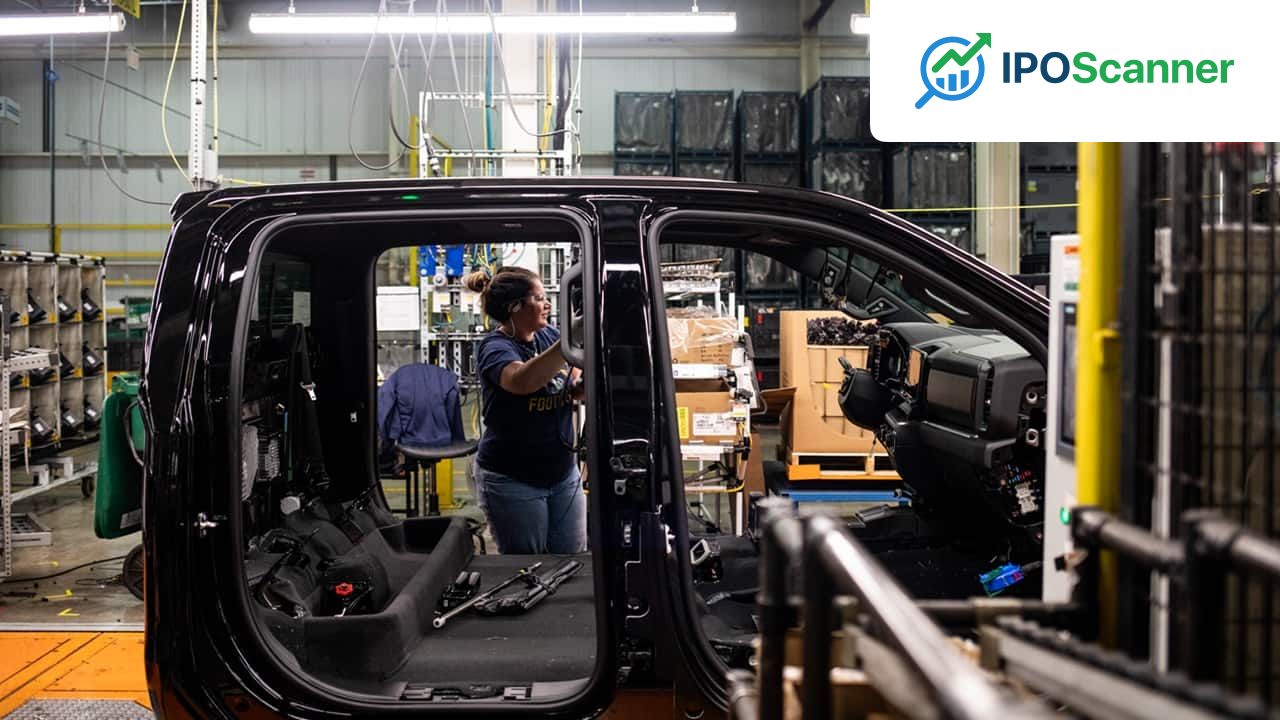
The India-EU free trade agreement is expected to attract greater investments into India and boost automobile manufacturing in the country, according to a senior government official. The two sides announced the conclusion of negotiations for the trade pact on January 27, with the agreement potentially coming into force from next year.
Darpan Jain, Additional Secretary in the commerce ministry, stated that the auto sector was a challenging area during negotiations due to India's high import duties. However, the country has converted these challenges into opportunities through the agreement. India has provided quota-based, long-phased solutions in the sector, offering concessions to the EU while also providing adequate protection to the Indian industry.
The agreement is expected to result in more investments into India, increased automobile manufacturing in the country, and exporting to third countries. This will integrate India into the EU's value chain. The prices of imported European cars are expected to decrease following India's agreement to gradually reduce duty under its FTA with the EU to 10 per cent from 110 per cent for 2.5 lakh vehicles a year.
Read also: Treasury Yields Experience Largest Increase in Two Weeks Following Release of Labor Market Data
Comparison of Duty Reduction
| Country | Original Duty | Reduced Duty |
|---|---|---|
| EU | 110% | 10% |
| UK | (no data) | (no data) |
India has agreed to offer more concessions to the EU than to the UK, with 2.5 lakh vehicles a year eligible for reduced duty.
On Social Security Agreements (SSAs) with European Union members, Darpan Jain stated that India already has pacts with 14 countries out of 27 members. The country is currently negotiating with seven more and planning to establish agreements with six others. These pacts help avoid double contribution to social security funds by Indian professionals working for a limited period in European Union member nations.
Read also: US-Iran Tensions Spark Uptick in Oil Prices Amid Global Market Decline
The EU has over 40 free trade agreements, involving 70 nations, providing opportunities for Indian exporters to benefit from these pacts. The EU alone accounts for about 12 per cent of India's total merchandise trade. Anant Swarup, FICCI Secretary General, emphasized the need to convert these agreements into practical gains for industry, especially for exporters, MSMEs, and service providers.
Investor Takeaway
The India-EU trade pact may lead to increased investments and automobile manufacturing in India.
More in Market

Treasury Yields Experience Largest Increase in Two Weeks Following Release of Labor Market Data

US-Iran Tensions Spark Uptick in Oil Prices Amid Global Market Decline

Indian Stocks to Watch: BHEL, Agarwal Industrial, JBM Auto, Rajesh Exports, Indian Energy Exchange, Lenskart Solutions in Market Focus on June 4.