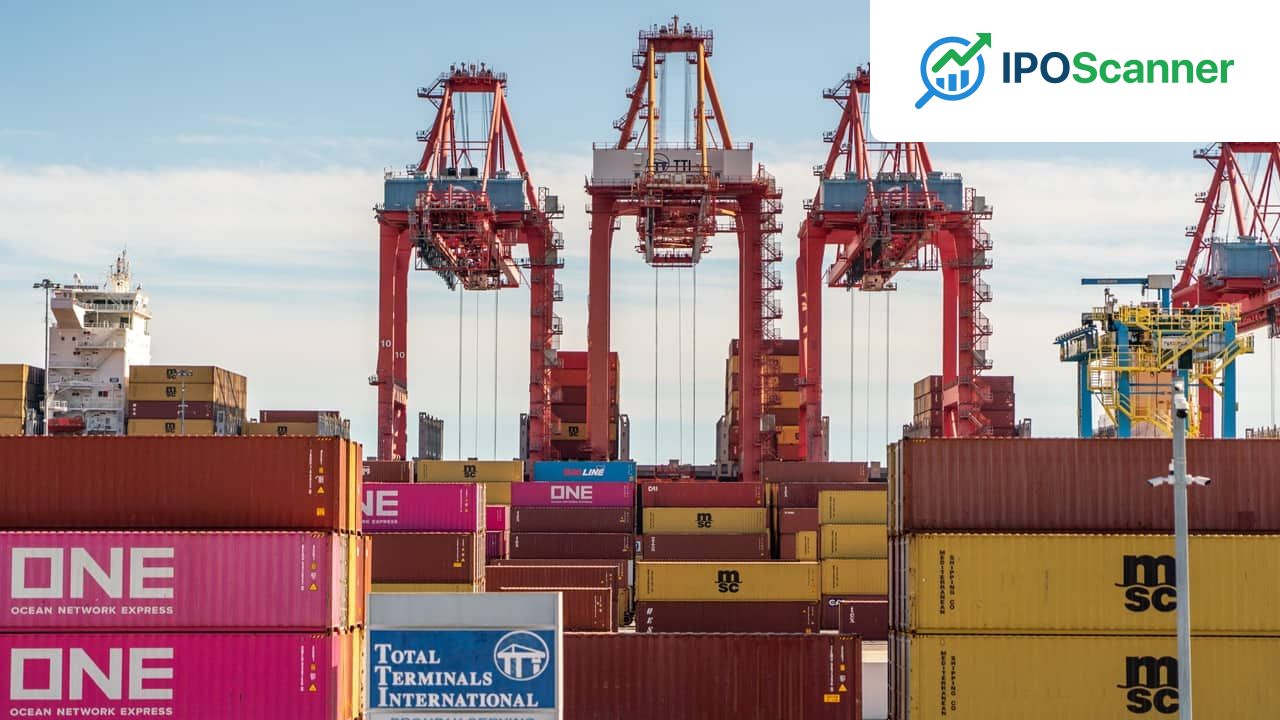
India Could Save Over Rs 28,000 Crore Annually with Implementation of Pending Anti-Dumping Duties, Report Finds
India Could Save Up to Rs 28,540 Crore in Forex Every Year with Anti-Dumping Duty Implementation
A report by the Centre for Domestic Economy Policy Research (C-DEP) and the Centre for WTO Studies (CWS) has found that India could save up to Rs 28,540 crore in foreign exchange every year if the government implements pending anti-dumping duty (ADD) recommendations. This is a significant amount, equivalent to about $3 billion.
The report, titled Impact of Anti-Dumping Duties in India, argues that concerns over anti-dumping duties raising consumer prices and inflation are overstated. Instead, the report suggests that the non-implementation of anti-dumping duties has resulted in an estimated annual economic loss of Rs 11,938 crore to domestic industry. This loss is due to rising imports, underutilised domestic capacity, and lost investment opportunities.
| Product | Estimated Annual Economic Loss (Rs Crore) |
|---|---|
| Non-implementation of anti-dumping duties on 56 products | 11,938 |
| Annual forex savings with implementation of anti-dumping duties | 28,540 |
The report highlights that the non-implementation of anti-dumping duties has weakened domestic manufacturing ecosystems, particularly among MSMEs. It cites examples from sectors such as nylon filament yarn, sublimation paper, cable ties, ceramic ware, and PVC flex films, where domestic producers have either shut operations or come under severe stress because of dumped imports.
The report also warns that continued import dependence could have broader macroeconomic consequences. India's trade deficit with China reached $99.1 billion in 2024-25, and imports in sectors where domestic capacity already exists are putting avoidable pressure on foreign exchange reserves and the rupee.
India has historically been a predictable user of trade remedies. Between 1991 and mid-2020, around 99.5 percent of DGTR anti-dumping recommendations were implemented. However, rejection and non-implementation rates have risen sharply in some recent periods, coinciding with rising imports in several industrial sectors and creating uncertainty for investors.
The study estimates that domestic manufacturers have already committed about Rs 1.25 lakh crore of investments, while another Rs 1 lakh crore would be needed by 2030 to fully meet projected demand. Failure to create a stable trade-remedy environment could discourage these investments and leave India more dependent on imports despite having the capacity to produce domestically.
Read also: RBI Policy Preview: A Cautionary Wait Ahead
The report concludes that anti-dumping duties should be viewed as a WTO-compliant mechanism for correcting unfair trade practices rather than as a protectionist measure. It calls for the notification of pending DGTR recommendations and a transparent public-interest framework whenever the government decides not to implement a recommended duty.
Investor Takeaway
India could save up to Rs 28,540 crore annually by implementing pending anti-dumping duties.
More in Economy

FirstClub Secures $55 Million in Funding from Peak XV, Sofina, and Other Investors 9 Months After $22 Million Series A Round
RBI Policy Preview: A Cautionary Wait Ahead

RBI Rate Cuts May Come to an End Amid Rising Oil Prices and Weakening Rupee: Expert Analysis