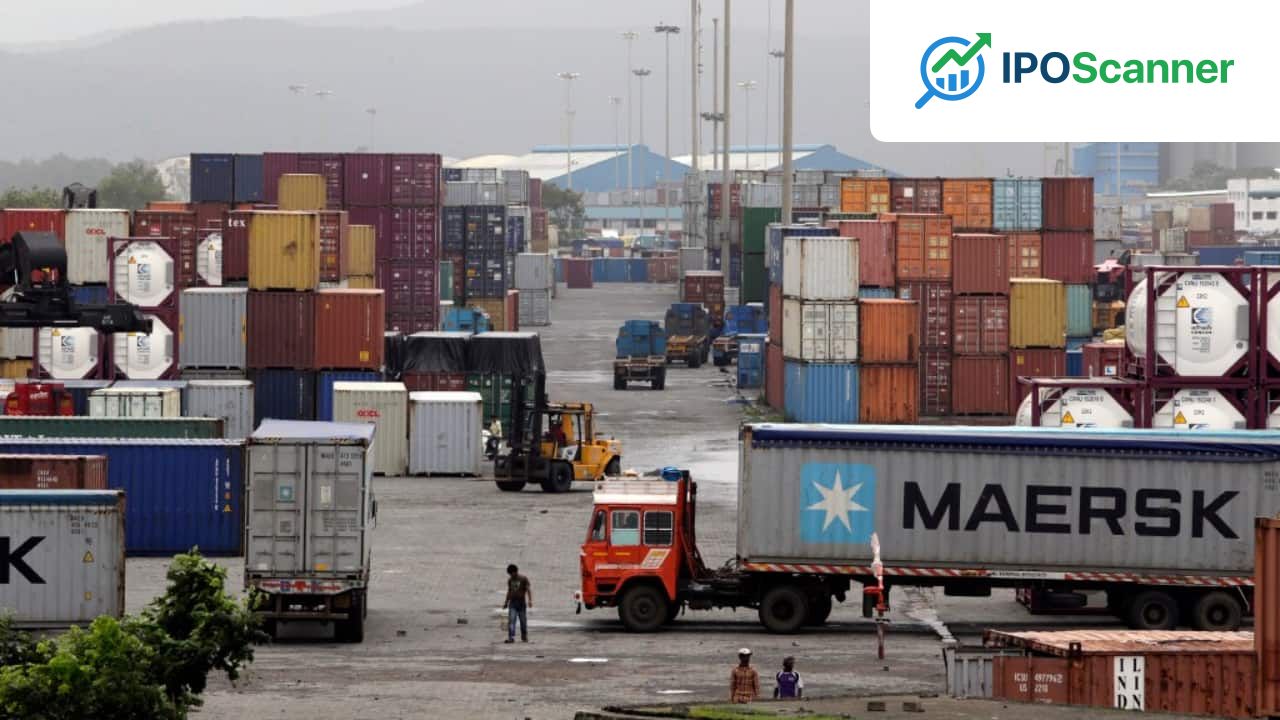
India Could Save ₹28,540 Crore Annually by Implementing Anti-Dumping Duties: Study Finds
India's Failure to Implement Anti-Dumping Duties Results in Annual Economic Loss of Rs 11,938 Crore
A recent report by the C-DEP Research and Centre for WTO Studies highlights the significant economic losses incurred by the domestic industry due to the non-implementation of anti-dumping duties recommended by the Directorate General of Trade Remedies (DGTR). The report estimates that the non-implementation of these duties has resulted in an annual economic loss of Rs 11,938 crore to the domestic industry.
Wasted Opportunities:
The report notes that the imposition of anti-dumping duties could generate an additional Rs 28,540 crore annually in foreign exchange by reducing imports. This is a stark contrast to the current situation, where the domestic industry is facing an economic loss of Rs 11,938 crore annually. The report also highlights that a study of 33 products shows that economic loss from dumped imports in the current period is about Rs 1.54 lakh crore, and is projected to rise to Rs 2.70 lakh crore by 2030.
Read also: Treasury Yields Experience Largest Increase in Two Weeks Following Release of Labor Market Data
Job Losses and Economic Impact:
The report predicts that the economic loss from dumped imports will lead to a significant increase in job losses, from around 24,000 at present to 38,000-42,000 by 2030. This is a worrying trend, as it indicates that the non-implementation of anti-dumping duties is not only affecting the domestic industry but also impacting the livelihoods of thousands of people.
Comparison of Anti-Dumping Duty Implementation:
| Country | Average Duration of Anti-Dumping Duties (Years) |
|---|---|
| United States | 16.26 |
| India | 6.97 |
Read also: US-Iran Tensions Spark Uptick in Oil Prices Amid Global Market Decline
As the table shows, the antidumping duties in the US remain in force for an average of 16.26 years before they are withdrawn, while in India, it is only 6.97 years. This suggests that the Indian government is not providing sufficient protection to its domestic industry, leading to a loss of economic opportunities.
Impact on Domestic Capacity and Investment:
The report notes that non-implementation of anti-dumping duties reduces domestic capacity utilisation, thereby significantly dampening committed and new investments. This leads to weakening of long-term industrial resilience and increasing the supply-demand gap in the economy. The report warns that non-implementation of anti-dumping duties risks suppressing domestic investment today, which could translate into a substantial structural demand-supply gap by 2030.
Recommendations:
The report recommends that the Indian government should implement anti-dumping duties in a timely and WTO-compliant manner to stabilise investment expectations, safeguard existing capacities, and ensure that the domestic industry can meet projected demand. This is crucial for supporting India's trajectory toward a Viksit Bharat.
Investor Takeaway
India could save ₹28,540 crore annually by implementing anti-dumping duties.
More in Economy

Treasury Yields Experience Largest Increase in Two Weeks Following Release of Labor Market Data

US-Iran Tensions Spark Uptick in Oil Prices Amid Global Market Decline

MoSPI Releases Uniform Norms for DDP Estimates with 2022-23 Base Year

