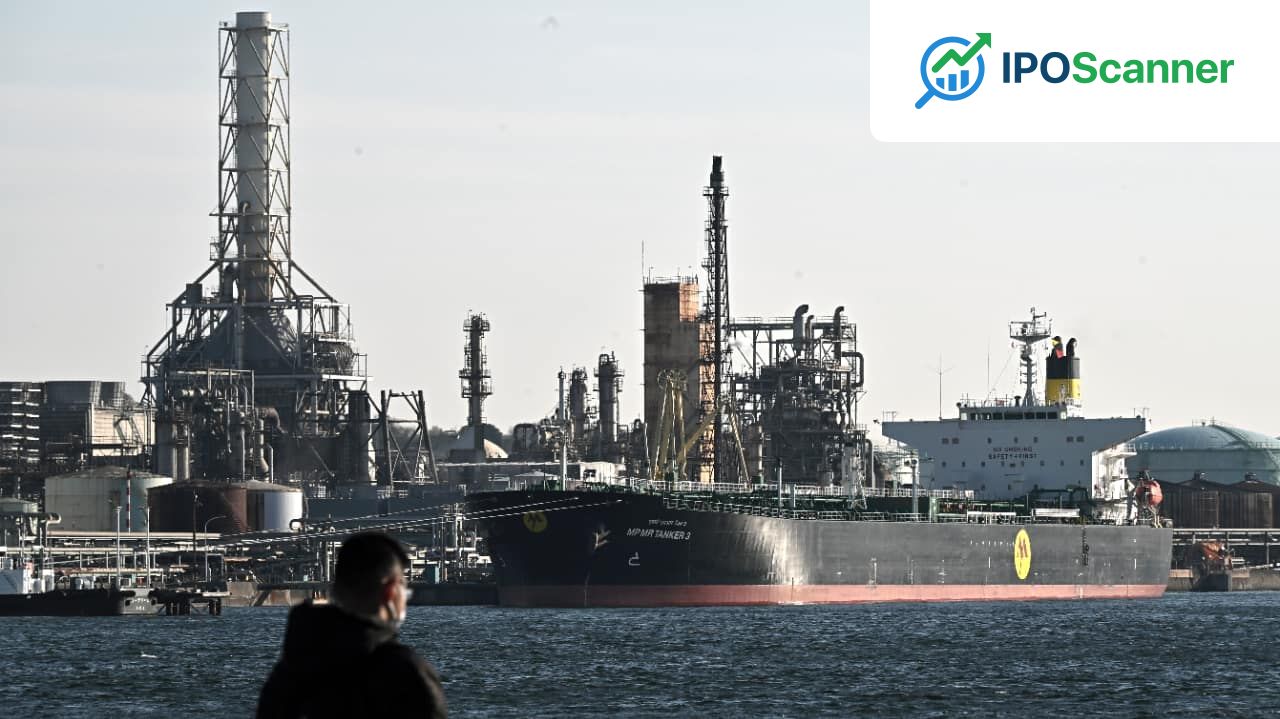
India Conducts Oil Stress Tests Up to $120 per Barrel Amid West Asia Crisis to Assess Budget Implications
Government Conducts Stress Tests to Assess Impact of West Asia Tensions on Oil Prices and Fiscal Deficit
In late March and early April, India's finance ministry convened to assess the potential impact of West Asia tensions on oil prices, inflation, and fiscal deficit through scenario-based stress tests. According to a senior government official, the ministry ran internal fiscal scenarios assuming crude oil prices could rise to a maximum of $120 per barrel, evaluating how such shocks could affect budget calculations and fiscal space.
The official stated that departments within the ministry prepared multiple scenarios, assuming oil prices staying at $110 and up to $120 per barrel, based on which discussions were held on potential measures required in such situations. The government assessed how such price shocks could affect "budget math" and the fiscal space as well as what policy responses may be required if such scenarios materialized and continued.
During the West Asia conflict in March 2026, global oil prices briefly surged close to such highs, with Brent crude touching around $119-$119.5 per barrel and WTI rising to about $114-$115 per barrel, before easing as de-escalation signals emerged.
Read also: Treasury Yields Experience Largest Increase in Two Weeks Following Release of Labor Market Data
Fiscal Deficit Targets
India has set a fiscal deficit target of 4.4 percent of GDP for FY26, with a further reduction to around 4.3 percent for FY27, as part of its consolidation path. The fiscal deficit target for FY27 is just 10 percentage points lower than the target for the current financial year.
| Fiscal Year | Fiscal Deficit Target (%) |
|---|---|
| FY26 | 4.4 |
| FY27 | 4.3 |
The official indicated that while reaching the debt-to-GDP target of 50 percent may take longer than expected since the current year could be challenging, improvements could be possible over the next two years. The reference relates to India's medium-term fiscal roadmap, which targets reducing central government debt to around 50 ± 1 percent of GDP by March 2031, starting from the current financial year.
Read also: US-Iran Tensions Spark Uptick in Oil Prices Amid Global Market Decline
Ceasefire Effect
Since then, a ceasefire has been announced, and signs of its extension have eased supply concerns, helping crude oil prices soften to the mid-to-high $90 per barrel range after earlier volatility. However, global oil prices remain sensitive to developments in the region, where any escalation or breakdown of the ceasefire could again tighten supply conditions and push prices higher.
India relies heavily on imported crude, over 84 percent as per certain estimates, so changes in global oil prices quickly affect inflation, trade deficit, and government finances through higher import costs and subsidy pressure. The Indian government took steps to stabilize supplies and prices, including waiving customs duties on key petrochemicals, reducing excise duty on petrol and diesel, and extending support to exporters by addressing higher freight and insurance costs caused by shipping disruptions.
More in Economy

Treasury Yields Experience Largest Increase in Two Weeks Following Release of Labor Market Data

US-Iran Tensions Spark Uptick in Oil Prices Amid Global Market Decline

MoSPI Releases Uniform Norms for DDP Estimates with 2022-23 Base Year

