India-Bangladesh Border Tensions Ebb Amid Fierce Diplomatic Efforts
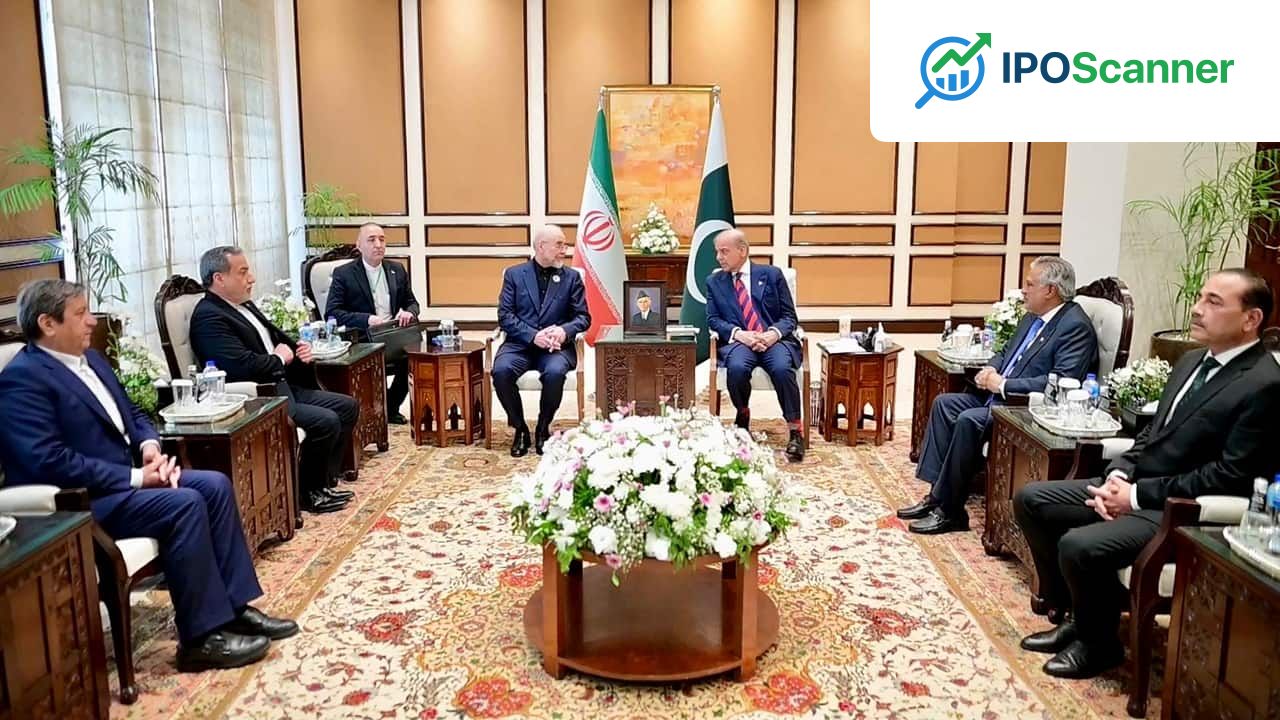
Global Markets React to Islamabad Peace Talks Collapse
The collapse of the Islamabad peace talks has sent shockwaves through global markets, with oil prices surging in response to the escalating conflict in the Middle East.
In the aftermath of the talks' collapse, oil prices skyrocketed. WTI crude jumped 8.54 percent to $104.82 per barrel, while Brent gained 7.27 percent to $102.51. This significant price increase follows WTI's biggest single-day drop since April 2020, when it tumbled more than 16 percent on the ceasefire announcement.
The trigger for the rise in oil prices, besides the failed talks, was President Trump's announcement of a naval blockade of Iranian ports. This move aims to choke off Iran's ability to export oil or levy tolls on vessels transiting the Strait of Hormuz.
Read also: Treasury Yields Experience Largest Increase in Two Weeks Following Release of Labor Market Data
Equity markets initially fell in tandem with the oil price surge, with Indian indices among the sharpest declines in Asia. Investors priced in the prospect of a prolonged conflict and the inflationary consequences of sustained high energy prices. However, the picture has evolved since the opening bell, with oil prices pulling back and Asian equity markets recovering from their lows.
Market Reactions and Developments
| Market | Initial Drop | Current Price |
|---|---|---|
| WTI Crude | 16% | $104.82 |
| Brent | - | $102.51 |
| Indian Indices | - | Recovering from lows |
The situation remains fragile, but the fact that markets have not continued to deteriorate is a signal worth watching. Analysts are warning that the morning's moves may significantly understate the real risk. The key market to track through all of this is crude oil.
Read also: US-Iran Tensions Spark Uptick in Oil Prices Amid Global Market Decline
The physical supply crunch poses the more serious and more enduring threat. The International Energy Agency has described the situation as "the greatest global energy security challenge in history." While the impact in India has been somewhat contained, elsewhere in Asia, the crisis is already very real.
Regional Impact
- The Philippines has declared a state of national energy emergency, with President Bongbong Marcos invoking emergency powers.
- Thailand has seen diesel prices rise by nearly 70 percent, prompting the government to draw up a three-stage fuel rationing contingency plan.
- In Bangladesh, the fuel shortage has tipped into public disorder, with daily reports of raids on petrol stations and fuel trucks.
- Pakistan has asked cricket fans to stay home and watch matches on television to conserve fuel.
The Gulf states face a different dimension of the crisis despite sitting atop some of the world's largest hydrocarbon reserves. Because the Gulf Cooperation Council nations rely on the Strait of Hormuz not just for energy exports but for over 80 percent of their food imports, the blockade has created what is being described as a grocery supply emergency.
Europe enters this phase of the crisis in a structurally weak position. The continent began 2026 with gas storage levels well below the recent norm, making the critical summer refill season extremely difficult to navigate.
The European Central Bank has warned that a prolonged conflict is likely to push Germany and Italy into technical recession by the end of the year and trigger a period of stagflation across the broader eurozone. Finance ministers from Germany, Spain, Italy, Portugal, and Austria have written jointly to the European Commission, calling for a bloc-wide windfall tax on energy companies and accusing them of exploiting "market distortions" caused by the price surge.
The overall tone of markets this Monday is one of cautious hope rather than outright panic. However, the underlying arithmetic is unforgiving. If the Strait of Hormuz remains effectively closed, oil and gas prices will grind higher, feeding through into the costs of fertilisers, food, plastics, and industrial inputs across the global economy.
Investor Takeaway
Investors should be cautious of potential market volatility due to geopolitical tensions.
More in Economy

Treasury Yields Experience Largest Increase in Two Weeks Following Release of Labor Market Data

US-Iran Tensions Spark Uptick in Oil Prices Amid Global Market Decline

MoSPI Releases Uniform Norms for DDP Estimates with 2022-23 Base Year

