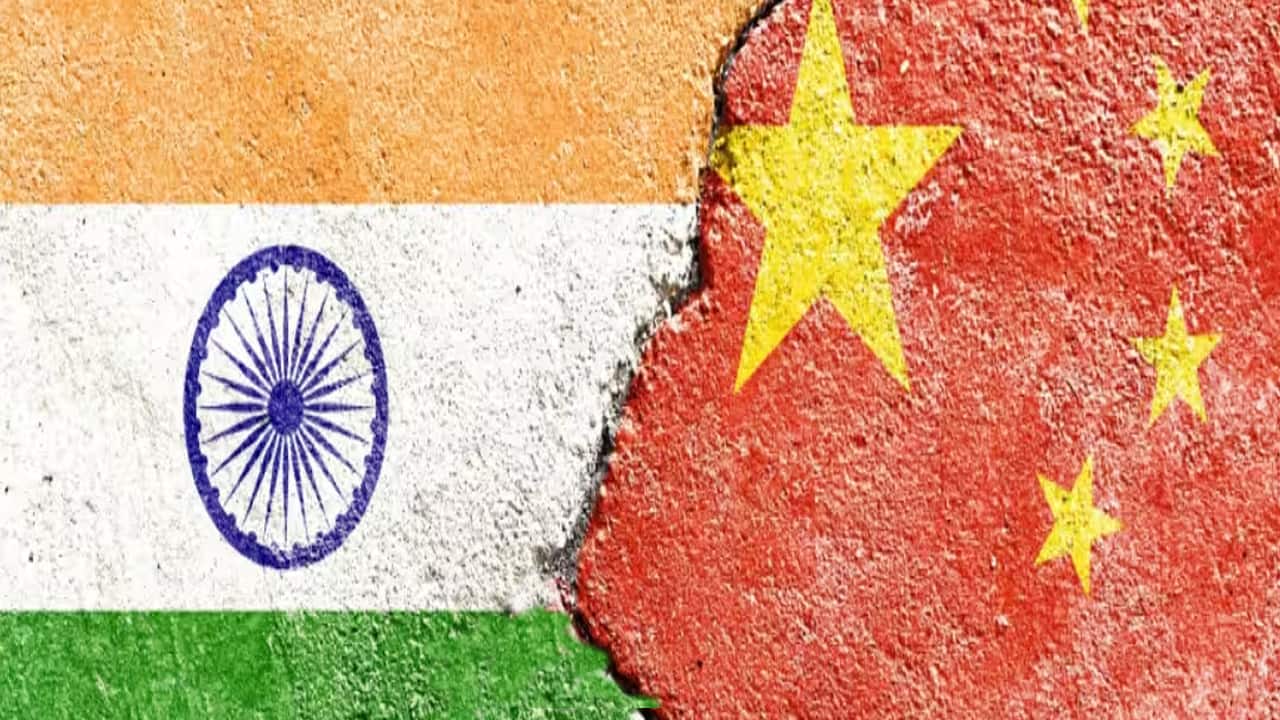
India and China Agree to Simplify Investment Rules
India-China Investment Relations: A Potential Shift in Policy
Key Developments
In 2024, India-China bilateral relations underwent a constructive transformation following prolonged diplomatic strain. A pivotal agreement on patrolling protocols and disengagement along the Line of Actual Control was reached on 21 October 2024. This was followed by a meeting between Prime Minister Modi and President Xi at the BRICS Summit in Kazan on 23 October 2024, where they endorsed the activation of dialogue mechanisms at the Foreign Minister and senior official levels.
Normalisation Measures
Read also: Treasury Yields Experience Largest Increase in Two Weeks Following Release of Labor Market Data
In 2025, Prime Minister Modi met President Xi at the Shanghai Cooperation Organisation Summit, committing to a fair, reasonable and mutually acceptable resolution of the boundary question. Both governments undertook concrete normalisation measures, including:
- Resuming direct passenger flights suspended since 2020
- Reinstating tourist visa issuance
- Resuming the Kailash Mansarovar Yatra
- Securing Chinese cooperation on critical supplies such as:
- Rare earth minerals
- Fertilisers
- Tunnel-boring machinery
Press Note No. 3 (PN3)
Given the improvement in bilateral ties, there has been renewed optimism regarding the potential relaxation of Press Note No. 3 (2020 Series), notified by the Government of India on 17 April 2020. PN3 requires prior government approval for foreign direct investment by an entity from a country sharing a land border with India, or where the beneficial owner of an investment into India is situated in or is a citizen of any such country.
Read also: US-Iran Tensions Spark Uptick in Oil Prices Amid Global Market Decline
Proposed De-minimis Threshold
The Government is reviewing PN3 and planning to introduce a 'de-minimis' threshold for foreign investments from countries sharing a land border with India. Under the proposed framework, investments below this threshold in non-sensitive sectors would fall under the automatic route rather than the current approval route. The threshold would likely be defined either as a percentage stake or as a monetary value.
Balancing Security and Economic Strategy
Introducing a 'de-minimis' threshold would be a welcome development, allowing for a more contemporary and user-friendly framework for foreign investments. A collaborative approach with Chinese companies, encompassing local manufacturing, technology transfer and joint ventures, could significantly accelerate India's integration into global supply chains. This is particularly relevant in sectors such as:
- Critical electronic component manufacturing
- Electric vehicles
- Automobile components
A dual strategy could be employed: expediting and streamlining the approval process under PN3, and introducing a 'de-minimis' threshold below which investments or subsequent transfers of ownership would be permitted under the automatic route. This would reduce regulatory burdens on smaller investments and portfolio transactions that do not confer meaningful control or influence over the investee entity.
Investor Takeaway
Improved diplomatic relations between India and China may lead to increased economic cooperation and investment opportunities.
More in Economy

Treasury Yields Experience Largest Increase in Two Weeks Following Release of Labor Market Data

US-Iran Tensions Spark Uptick in Oil Prices Amid Global Market Decline

MoSPI Releases Uniform Norms for DDP Estimates with 2022-23 Base Year

