Impact of a Weaker Indian Rupee: How a 100:1 Exchange Rate Could Transform Indian Stock Markets
Rupee Continues Slide Against Dollar, Hits Fresh Record Lows
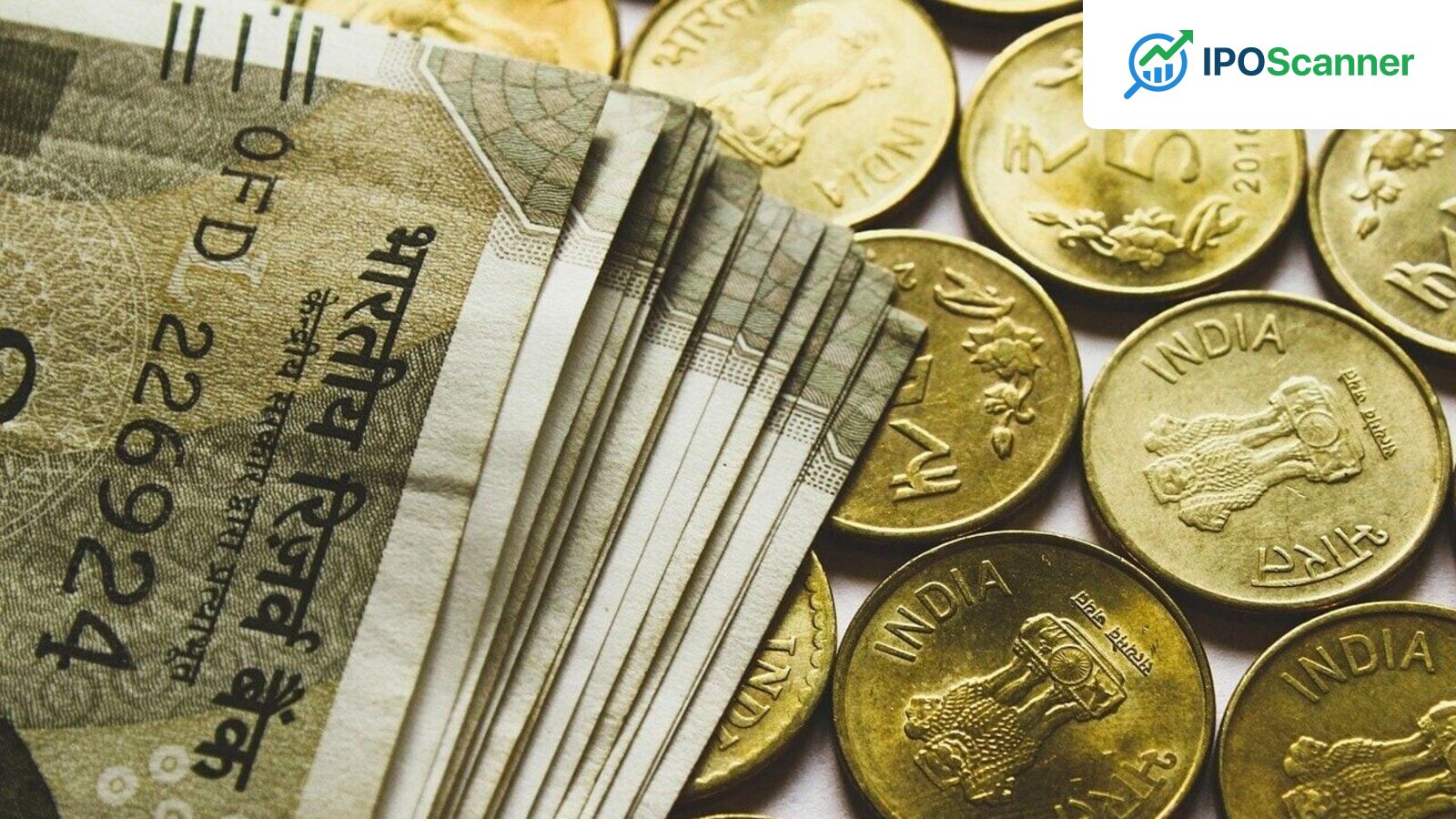
The Indian rupee continued its downward trend on Friday, opening 11 paise weaker at 95.87 against the US dollar. This decline is attributed to rising US Treasury yields, elevated crude oil prices, and persistent foreign fund outflows, which have weighed heavily on the domestic currency. The rupee has now weakened for three consecutive sessions and has declined around 1.36% so far this week, hitting fresh record lows.
On Thursday, the rupee touched an all-time intraday low of 95.9575 against the dollar before recovering marginally. This decline is largely due to sustained foreign equity outflows, strong dollar demand from oil marketing companies and importers, and muted exporter dollar selling, which have continued to weaken sentiment. The pressure on the rupee has intensified amid a sharp rise in crude oil prices, with Brent crude remaining elevated near $107 per barrel, reflecting concerns over global energy supplies and geopolitical tensions.
India, which imports nearly 90% of its crude oil requirements, remains highly vulnerable to rising oil prices and a stronger dollar. Investors are also closely monitoring the outcome of discussions between US President Donald Trump and Chinese President Xi Jinping, amid fears that worsening geopolitical tensions could further disrupt global markets. The US 10-year Treasury yield has crossed 4.50%, its highest level in nearly a year, strengthening the dollar globally and creating additional pressure on emerging market currencies, including the rupee.
Read also: Treasury Yields Experience Largest Increase in Two Weeks Following Release of Labor Market Data
| Sector | Potential Impact of a Weaker Rupee |
|---|---|
| Aviation, FMCG, and Automobiles | Increased import costs, margin pressure |
| IT Services, Pharmaceuticals, Specialty Chemicals, and Textiles | Increased competitiveness globally, potential for higher earnings |
| Gold | Increased inflationary pressure, potential for higher prices in India |
Market experts believe that if the rupee weakens further towards the psychologically important ₹100 per dollar mark, the impact on the Indian economy and equity markets could be significant and uneven across sectors. According to Pranay Aggarwal, Director and CEO, Stoxkart, a move of the Indian rupee toward Rs. 100 per US dollar would significantly impact the economy and stock market. A weaker rupee increases import costs, especially for crude oil, electronics, and chemicals, leading to inflationary pressure. Sectors dependent on imports, such as aviation, FMCG, and automobiles, may face margin pressure.
However, Aggarwal believes that some sectors may benefit from a weaker rupee. Export-oriented industries such as IT services, pharmaceuticals, specialty chemicals, and textiles could gain because dollar-denominated revenues would translate into higher earnings in rupee terms. Additionally, gold prices in India could rise further if the rupee weakens sharply, as bullion imports become costlier, increasing inflationary pressure and affecting consumer spending.
Crude oil and geopolitical tensions are emerging as major pressure points for the Indian rupee. According to Jigar Trivedi, Senior Research Analyst, IndusInd Securities, the rupee's recent weakness is closely linked to rising geopolitical uncertainty in the Middle East and the sharp rise in crude oil prices. Trivedi warned that in an extreme geopolitical scenario involving further escalation between the US and Iran, crude oil prices could surge sharply, creating additional risks for the Indian economy and currency markets.
Read also: US-Iran Tensions Spark Uptick in Oil Prices Amid Global Market Decline
Investor Takeaway
A weaker Indian Rupee could have a significant impact on Indian stock markets, making it essential for investors to closely monitor the situation.
More in Economy

Treasury Yields Experience Largest Increase in Two Weeks Following Release of Labor Market Data

US-Iran Tensions Spark Uptick in Oil Prices Amid Global Market Decline

MoSPI Releases Uniform Norms for DDP Estimates with 2022-23 Base Year

