IMF Report Finds India's Digitalization Reforms Boost Productivity Among MSMEs
India's Digitalisation Reforms Boost Productivity in MSMEs
A recent working paper by the International Monetary Fund (IMF) has highlighted the positive impact of digitalisation reforms in public administration on the productivity of micro, small and medium enterprises (MSMEs) in India.
The authors of the paper compared the productivity of unincorporated manufacturing firms in states that have undertaken more digitalisation reforms with those having fewer such changes in public administration. They found that states that have implemented more digitalisation reforms experience higher productivity growth and lower productivity dispersion among firms.
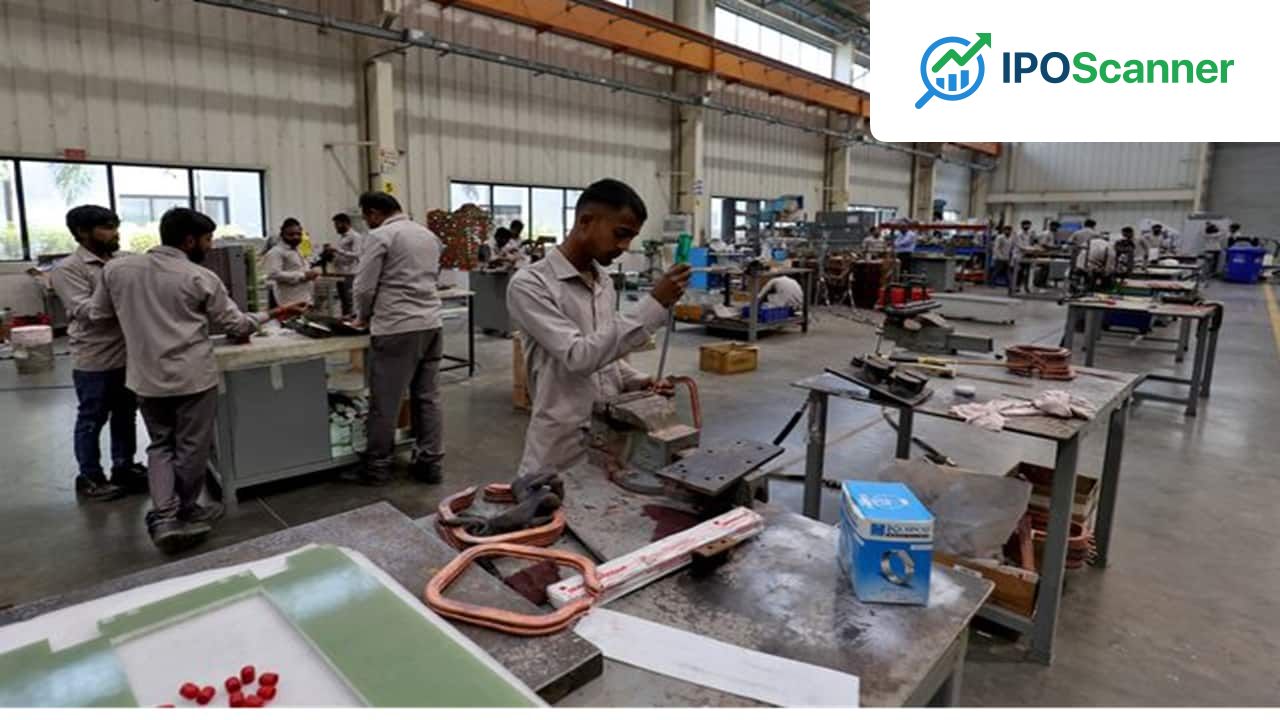
MSMEs contribute significantly to India's economy, accounting for around 35 per cent of manufacturing output, employing around 110 million workers, and contributing about 45 per cent of the overall exports from India. However, most MSMEs are not formally registered as companies under India's Companies Act of 1956, and there is a lack of studies on the impact of business environment reforms on these unincorporated enterprises.
Read also: Treasury Yields Experience Largest Increase in Two Weeks Following Release of Labor Market Data
The IMF working paper noted that the business environment reforms undertaken in India between 2010-11 and 2014-15 were mainly through digitalisation of business-related public administration. The reforms aimed to simplify regulations, expand digital systems, and improve transparency. The paper lists reforms into six areas: tax systems, construction permits, environment and labour compliance, inspections, commercial disputes, and single-window clearances.
The results of the study show that states that implemented more of these reforms recorded higher total factor productivity. Digital tools reduced administrative burdens, especially for small firms. The paper notes that digitised systems, including online tax filing and automated approvals, improve transparency, cut delays, reduce informal costs, and limit discretionary decision-making.
| State | Number of Reforms Implemented | Total Factor Productivity |
|---|---|---|
| High Reform States | 4-6 | 12.5% |
| Medium Reform States | 2-3 | 9.2% |
| Low Reform States | 1 or fewer | 5.8% |
The study found that microenterprises were unlikely to move or expand their businesses to other states that underwent more reforms. However, the paper notes that the reforms can be considered to help improve the productivities of firms, particularly small-and micro-manufacturing enterprises. The authors also observed that the cost of dealing with bureaucratic hurdles is likely negligible for big firms, but may be sizeable for small firms.
Read also: US-Iran Tensions Spark Uptick in Oil Prices Amid Global Market Decline
Overall, the IMF working paper provides evidence that digitalisation reforms in public administration can significantly improve the productivity of MSMEs in India, contributing to the country's economic growth.
More in Economy

Treasury Yields Experience Largest Increase in Two Weeks Following Release of Labor Market Data

US-Iran Tensions Spark Uptick in Oil Prices Amid Global Market Decline

MoSPI Releases Uniform Norms for DDP Estimates with 2022-23 Base Year

