IMF Chief Warns Oil Price Surge from West Asia Conflict May Fuel Inflation: A Call to Consider Unforeseen Consequences
Global Economic Outlook Clouded by West Asia Conflict
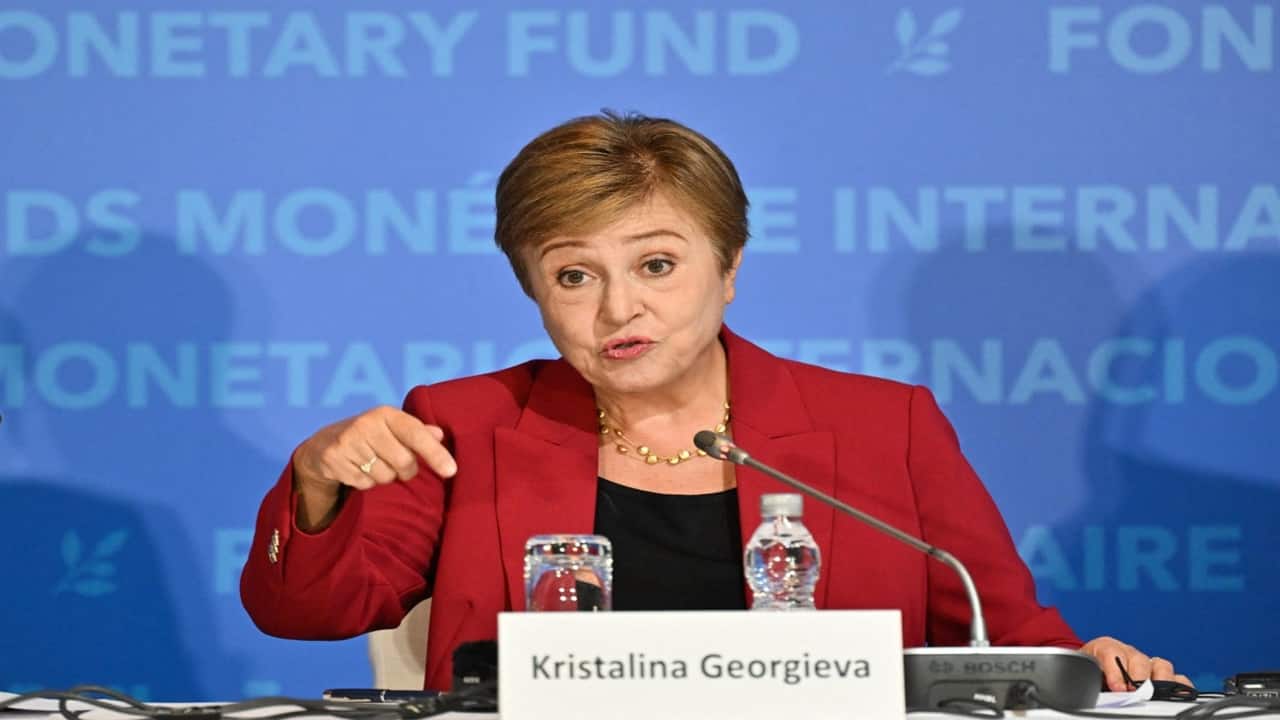
The escalating geopolitical conflict in West Asia has raised concerns about its impact on global inflation and economic resilience. According to International Monetary Fund (IMF) Managing Director Kristalina Georgieva, sustained oil price increases could lead to higher inflation worldwide.
A 10% increase in oil prices lasting through most of the year could raise global inflation by approximately 40 basis points. The IMF is closely monitoring the situation, noting that the crisis has triggered disruptions to trade and economic activity, spikes in energy prices, and volatility in financial markets.
Oil markets have reacted sharply to the escalating confrontation involving the US, Israel, and Iran. Brent crude prices briefly surged above $119 a barrel, their highest level since 2022, before easing slightly in volatile trading. The surge has been driven by fears of disruptions around the strategically vital Strait of Hormuz, a narrow shipping route through which approximately 20% of the world's oil supply passes.
Read also: Treasury Yields Experience Largest Increase in Two Weeks Following Release of Labor Market Data
Iranian strikes on vessels transiting the waterway and attacks on regional energy infrastructure have raised concerns about a potential supply shock in global oil markets. The IMF has warned that a prolonged conflict could have far-reaching economic consequences, affecting global energy prices, market sentiment, growth, and inflation.
India, a major oil importer, has said it is fully prepared to deal with any short-term disruptions arising from the Middle East crisis. The country has adequate stocks of crude oil and petroleum products, including petrol, diesel, and aviation turbine fuel, and its inventories, including strategic reserves, are sufficient to meet demand for several weeks.
However, analysts warn that any prolonged disruption in Gulf oil shipments could trigger wider inflationary pressures globally, underscoring the economic risks posed by the escalating conflict in the region. The IMF has noted that the situation remains highly fluid and adds to an already uncertain global economic environment.
Investor Takeaway
Investors should be prepared for potential inflationary pressures and consider the unforeseen consequences of global events.
More in Economy

Treasury Yields Experience Largest Increase in Two Weeks Following Release of Labor Market Data

US-Iran Tensions Spark Uptick in Oil Prices Amid Global Market Decline

MoSPI Releases Uniform Norms for DDP Estimates with 2022-23 Base Year

