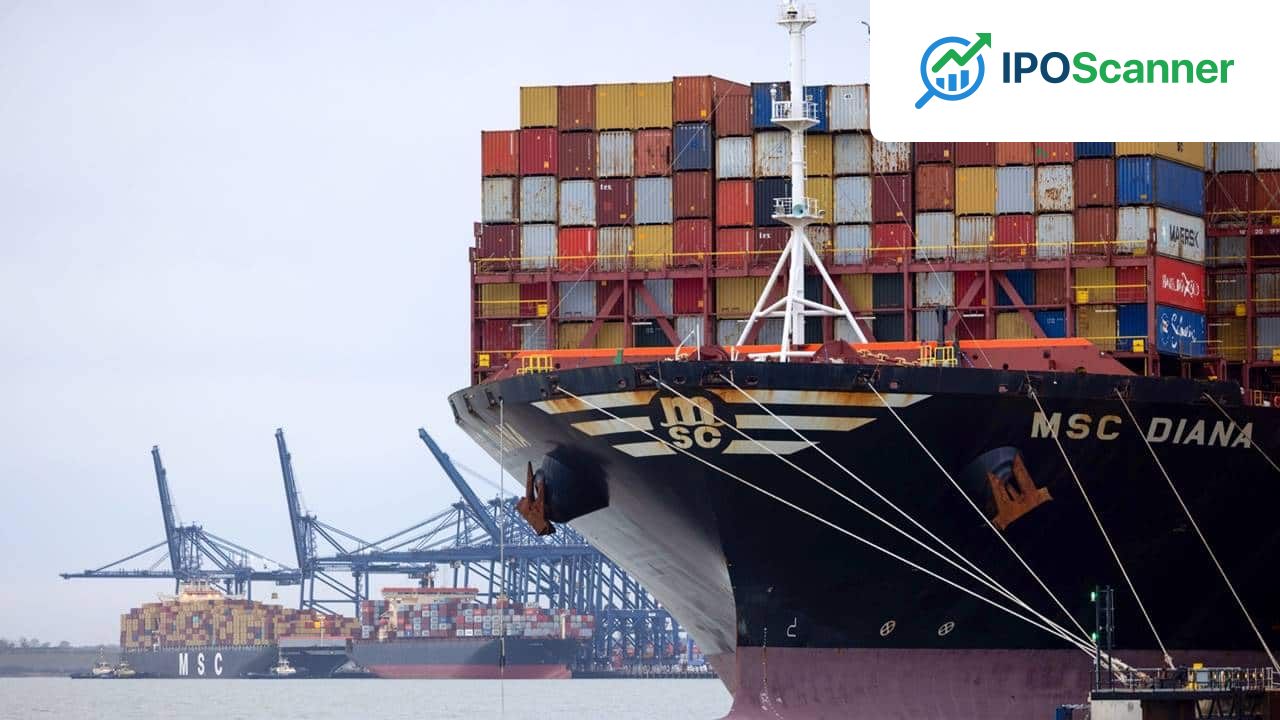
IMF Chief Warns of No Quick Return to Pre-Crisis Normalcy
Iran Ceasefire: A Long and Uncertain Road to Recovery
The International Monetary Fund (IMF) Managing Director, Kristalina Georgieva, expressed concerns about the uncertain future of regional air traffic and the recovery of the global economy in a recent statement. On Thursday, April 9, she highlighted the ongoing disruptions in the Bab-el-Mandeb strait, which connects the Red Sea to the Indian Ocean, and the Strait of Hormuz. Despite the Iran ceasefire, which is already on shaky ground, Georgieva warned that it will take a long time for things to get back to normal.
According to Georgieva, even in the best-case scenario, the global economy will not return to its pre-war status quickly. The IMF chief attributed this to significant infrastructure damage, supply disruptions, losses of confidence, and other scarring effects. Furthermore, if Iran starts charging tolls for transit through the Strait of Hormuz, it will impose a permanent geopolitical premium on crude oil prices, leading to a long-term impact on the global economy.
Markets Remain Cautious
Read also: Treasury Yields Experience Largest Increase in Two Weeks Following Release of Labor Market Data
Despite the ongoing tensions, the markets have continued to show faith in the global economy. As of April 9, the MSCI All Country World Index was up 5.48 percent this month and 1.47 percent this year. However, oil-importing countries, such as India, have been more affected, with the MSCI India index down more than 10 percent this year.
| Index | April 9, 2026 | 2026 YTD |
|---|---|---|
| MSCI All Country World Index | 5.48% | 1.47% |
| MSCI India | -10.23% | -11.45% |
| MSCI Emerging Markets | 8.8% | 5.6% |
The Risks of a Market Crash
The markets have been propped up by the belief in the "Fed put" and the "Trump put," which refers to the expectation that the Federal Reserve and the US government will bail out the markets in the event of a crash. However, this belief is facing a significant challenge, as the CME Fedwatch Tool shows that the market now assigns a 62 percent probability that the Fed Funds rate will remain at its current level even in March 2027. If the ceasefire does not hold, faith in the Trump put would also evaporate, removing two essential factors propping up the market.
Read also: US-Iran Tensions Spark Uptick in Oil Prices Amid Global Market Decline
A Potential Stagflationary Snarl
The potential for an oil-driven stagflationary snarl is a significant concern for the markets. While the market is not pricing in enough chance of this scenario, it is essential to consider the risks of a prolonged conflict and its impact on the global economy. A stagflationary snarl would have a significant impact on the markets, leading to a sharp decline in equity valuations.
A Fragile World Economy
The world economy is facing significant challenges, including high deficits and debt levels, which will limit the ability of governments to cushion the impact of elevated energy prices. The potential for a crisis is high, and the markets need to be prepared for a potential downturn.
| Deficits and Debt Levels | 2026 | 2027 |
|---|---|---|
| Global Deficits | 7.3% | 7.5% |
| Global Debt Levels | 330% | 340% |
A Long and Uncertain Road to Recovery
The Iran ceasefire is a fragile agreement, and the road to recovery will be long and uncertain. The markets need to be cautious and prepared for a potential downturn. The IMF chief's warning highlights the significant risks facing the global economy, and the markets need to take these risks seriously.
Investor Takeaway
Investors should be cautious of the potential long-term impact of global economic disruptions.
More in Economy

Treasury Yields Experience Largest Increase in Two Weeks Following Release of Labor Market Data

US-Iran Tensions Spark Uptick in Oil Prices Amid Global Market Decline

MoSPI Releases Uniform Norms for DDP Estimates with 2022-23 Base Year

