IEA Warns of Largest Global Oil Supply Disruption Due to Middle East Turmoil
Global Petroleum Market Disrupted by Middle Eastern Conflict
The International Energy Agency (IEA) reported that the ongoing conflict in the Middle East is causing the largest supply disruption in the history of the global petroleum market. The crisis, sparked by American-Israeli strikes on Iran on February 28, has resulted in a reduction of at least 8.0 million barrels in daily crude extraction.
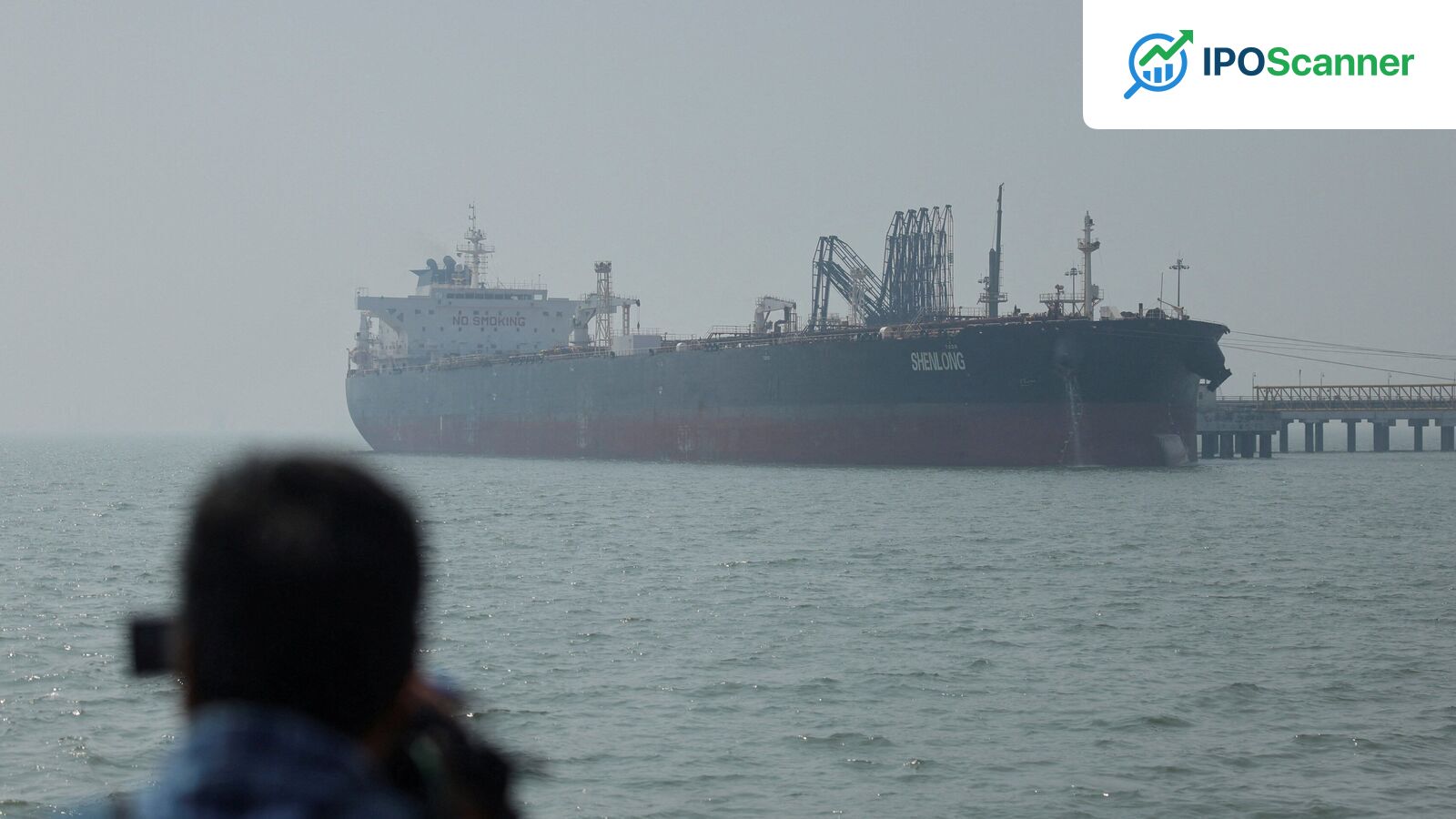
The conflict has led to Iran's intensification of its blockade on the Strait of Hormuz, through which 20% of global crude travels. As a result, current transits through the passage have declined to under 10% of pre-conflict volumes, which reached approximately 15 million barrels daily in 2025. The IEA emphasized that a restart of traffic through the Strait is crucial in limiting the war's impact on international markets.
Crude Oil Prices Have Spiked
Read also: Treasury Yields Experience Largest Increase in Two Weeks Following Release of Labor Market Data
Oil valuations have fluctuated since the turmoil began, increasing by over 30% to nearly $120 a barrel before retreating. Prices briefly exceeded $100 on Thursday but then dipped to approximately $92 a barrel. Experts forecast high valuations for the near future amid reports of further Iranian strikes on tankers.
Global Markets React
Leading European equity markets were down more than 0.5% in early hours trading before rebounding marginally. In Asia, Japan's Nikkei lost 1% at the finish, while Hong Kong ended down 0.7%.
IEA's Emergency Stock Release
Read also: US-Iran Tensions Spark Uptick in Oil Prices Amid Global Market Decline
The IEA confirmed that its 32 members have agreed to provide 400 million barrels of oil from stockpiles, their largest distribution ever. However, the agency warned that this measure is a stop-gap solution and that a swift resolution to the conflict is necessary to mitigate the crisis.
Global Response
The United States has suggested partially removing penalties against Russia to balance the consequences of the Hormuz restriction, but the Group of Seven countries dismissed the proposal. Russian President Vladimir Putin's representative, Kirill Dmitriev, praised a "productive meeting" with US diplomats in Florida after the outbreak of war.
Investor Takeaway
Investors should be prepared for potential disruptions in global oil supply and its impact on the economy.
More in Economy

Treasury Yields Experience Largest Increase in Two Weeks Following Release of Labor Market Data

US-Iran Tensions Spark Uptick in Oil Prices Amid Global Market Decline

MoSPI Releases Uniform Norms for DDP Estimates with 2022-23 Base Year

