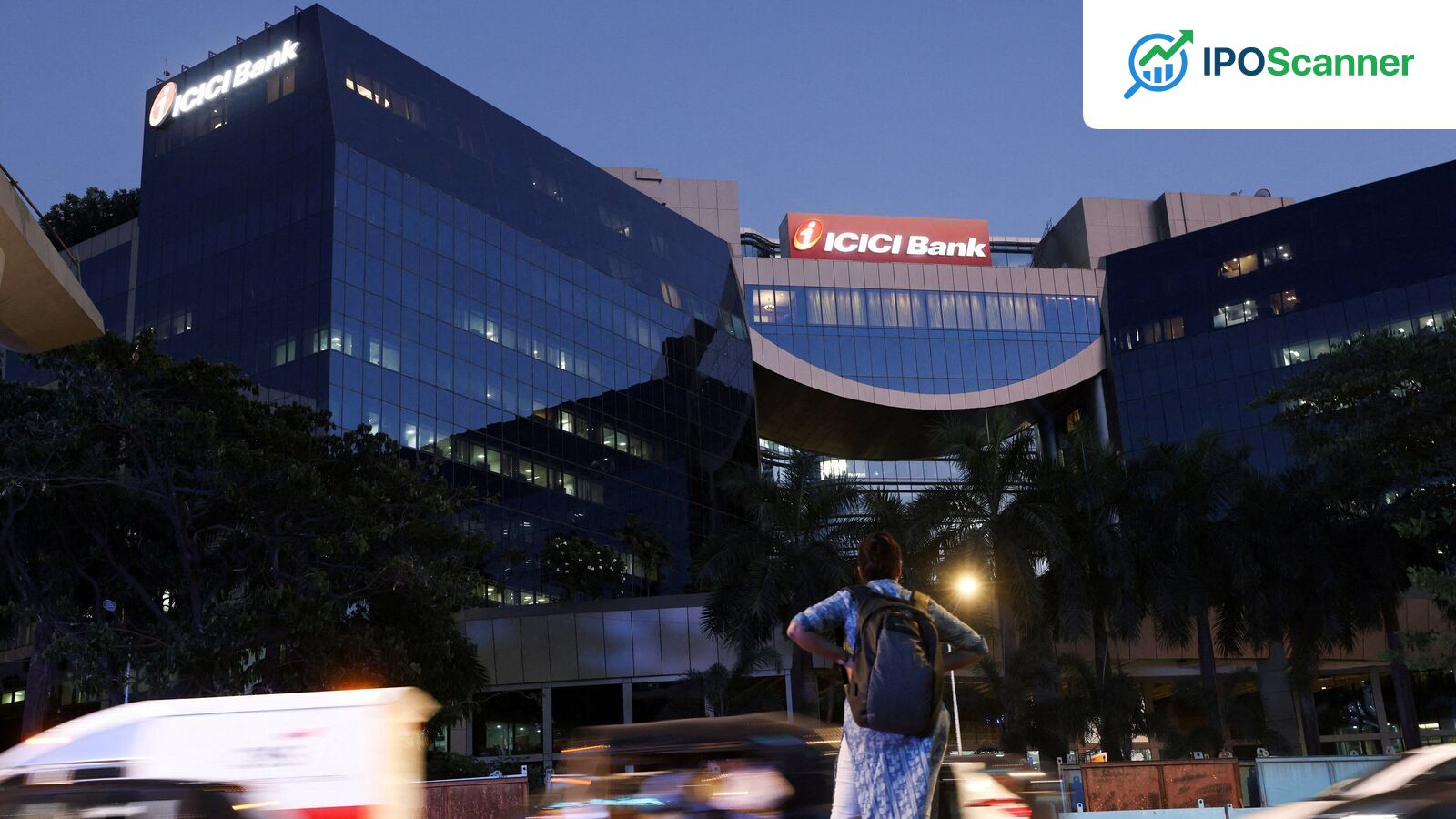
ICICI Bank Sees No Portfolio Impact from West Asia Conflict
ICICI Bank Reports 8.5% Net Profit Growth in March Quarter
Mumbai: ICICI Bank, a leading private sector lender, has witnessed no significant impact of the West Asia war on its financial books. In a press conference after announcing the bank's March quarter financial results, Sandeep Batra, executive director of ICICI Bank, stated that it is too early to predict the bearing of the war on corporate and small business borrowers, and remittances.
The war in Iran has created a shipping bottleneck in the Strait of Hormuz, a narrow conduit through which about one-fifth of global oil supply passes. However, Batra emphasized that the long-term story of India remains intact. He noted that most of the developments have happened in the month of April, and it is still too early to assess the impact of the war on the economy.
ICICI Bank's domestic corporate book grew 9.3% year-on-year (y-o-y) to ₹3.05 trillion. The bank's retail, rural loans, and business banking segments grew 9.5%, 25.6%, and 24.4%, respectively, on a year-on-year basis in the three months through March.
| Segment | Q4 FY26 Growth (y-o-y) |
|---|---|
| Domestic Corporate Book | 9.3% |
| Retail Loans | 9.5% |
| Rural Loans | 25.6% |
| Business Banking | 24.4% |
The bank reported a net profit of ₹13,702 crore for the three months through March, up 8.5% as provisions dropped nearly 90% in the same period. The bank attributed the drop in provisions to improvement in asset quality and recoveries from corporate customers that had been written off. Its gross bad loans were at 1.4% of the total portfolio as on 31 March, down 13 basis points (bps) from the previous quarter, and 27 bps from the same period last year.
ICICI Bank saw a 15.8% growth in total loans to ₹15.5 trillion in Q4 of FY26, while deposits grew 11.4% to ₹17.9 trillion. Its net interest margin, a key indicator of profitability, stood at 4.32%, up 2 bps from the December quarter but down 9 bps from the same period last year.
Analysts have given a thumbs-up to the bank's credit performance, citing the bank's ability to deliver 16% y-o-y growth in loan growth after several quarters of trailing the system. However, deposit growth remained modest, possibly reflecting a conscious effort to protect margins.
Interestingly, the bank's co-lending book reported a higher bad loan ratio than its overall portfolio. As of 31 March, the bank had a co-lending book of ₹1,538 crore, of which ₹76 crore had turned bad, resulting in a bad loan ratio of 4.9%. Loans under such arrangements included home loans, loans against property, and business loans.
Anindya Banerjee, group chief financial officer of the bank, stated that the size of this book was "not material." He emphasized that the bank will continue to pursue co-lending opportunities and monitor the portfolio quality.
On 27 March, the RBI capped banks' net open positions (NOPs) in the domestic market at $100 million at the end of each business day, and mandated that banks comply with this rule by 10 April. This move was expected to hit the treasury incomes of banks during the March quarter. ICICI Bank reported a treasury book loss of ₹106 crore in Q4 FY26, as against a loss of ₹157 crore in Q3, and a profit of ₹239 crore in Q4 of FY25.
Investor Takeaway
Investors should closely monitor the situation and its potential impact on corporate and small business borrowers, as well as remittances.
More in Market

Market Analysis: Key Stocks to Watch - Narayana Hrudayalaya, ABB India, Federal Bank, Premier Energies, Ather Energy and More

FirstClub Secures $55 Million in Funding from Peak XV, Sofina, and Other Investors 9 Months After $22 Million Series A Round

Global Markets: Key Indicators to Monitor in Today's Trading Session