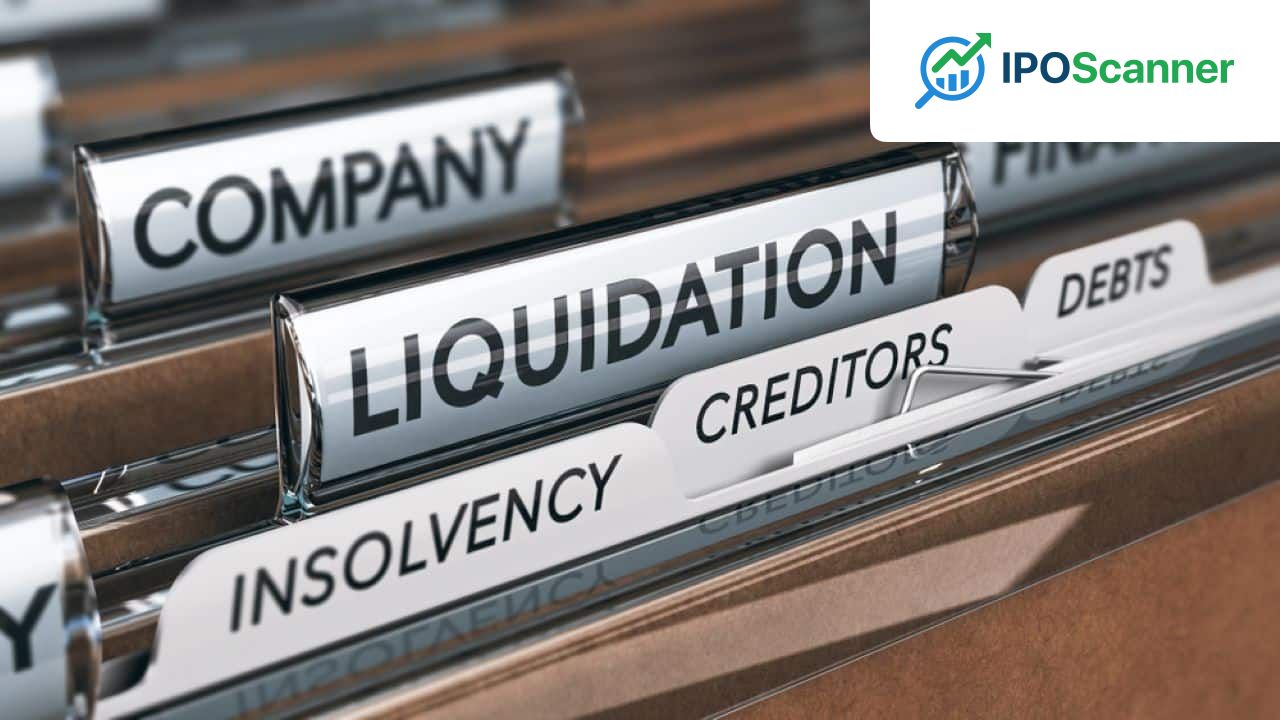
IBC Liquidation Practices: Resolution or Accelerated Closure?
Insolvency and Bankruptcy Code (IBC) Review: Resolving or Closing Businesses?
Key Statistics:
- 2,952 cases ended in liquidation, while 1,376 cases were resolved through approved resolution plans as of December 2025 (IBBI data).
- The IBC framework aims to resolve businesses, with liquidation as the last option.
IBC Philosophy: The Insolvency and Bankruptcy Code (IBC) is designed to resolve businesses, preserving value and reviving operations. The Supreme Court in Swiss Ribbons Pvt. Ltd. v. Union of India emphasized that the Code prioritizes corporate debtor revival over creditor recovery.
Read also: Treasury Yields Experience Largest Increase in Two Weeks Following Release of Labor Market Data
CIRP Structure: The Corporate Insolvency Resolution Process (CIRP) follows a structured approach:
- Admission of insolvency petition
- Appointment of Resolution Professional
- Formation of Committee of Creditors (CoC)
- Invitation of resolution plans
- Approval of the best resolution plan
Liquidation: Liquidation becomes relevant only when no viable resolution plan is available.
Delays and Challenges: Delays in the CIRP process, often due to litigation, regulatory approvals, and operational issues, can reduce business value and push cases towards liquidation.
Read also: US-Iran Tensions Spark Uptick in Oil Prices Amid Global Market Decline
Notable Resolutions: The IBC has facilitated successful resolutions, such as:
- Essar Steel India Limited: Successfully acquired by ArcelorMittal and Nippon Steel Corporation
- Bhushan Power and Steel Limited: Taken over by JSW Steel under an approved resolution plan
Judicial Decisions: Landmark judgments, such as Swiss Ribbons, Essar Steel, and Ghanashyam Mishra, have clarified the IBC framework, but extensive litigation has contributed to delays.
Conclusion: The IBC's effectiveness in resolving businesses depends on the timing of insolvency filings. Early filings increase the likelihood of resolution, while late filings may lead to liquidation. Addressing delays and challenges in the CIRP process is crucial to preserving business value and promoting economic growth.
Investor Takeaway
Investors should be cautious of the effectiveness of the Insolvency and Bankruptcy Code in resolving businesses.
More in Economy

Treasury Yields Experience Largest Increase in Two Weeks Following Release of Labor Market Data

US-Iran Tensions Spark Uptick in Oil Prices Amid Global Market Decline

MoSPI Releases Uniform Norms for DDP Estimates with 2022-23 Base Year

