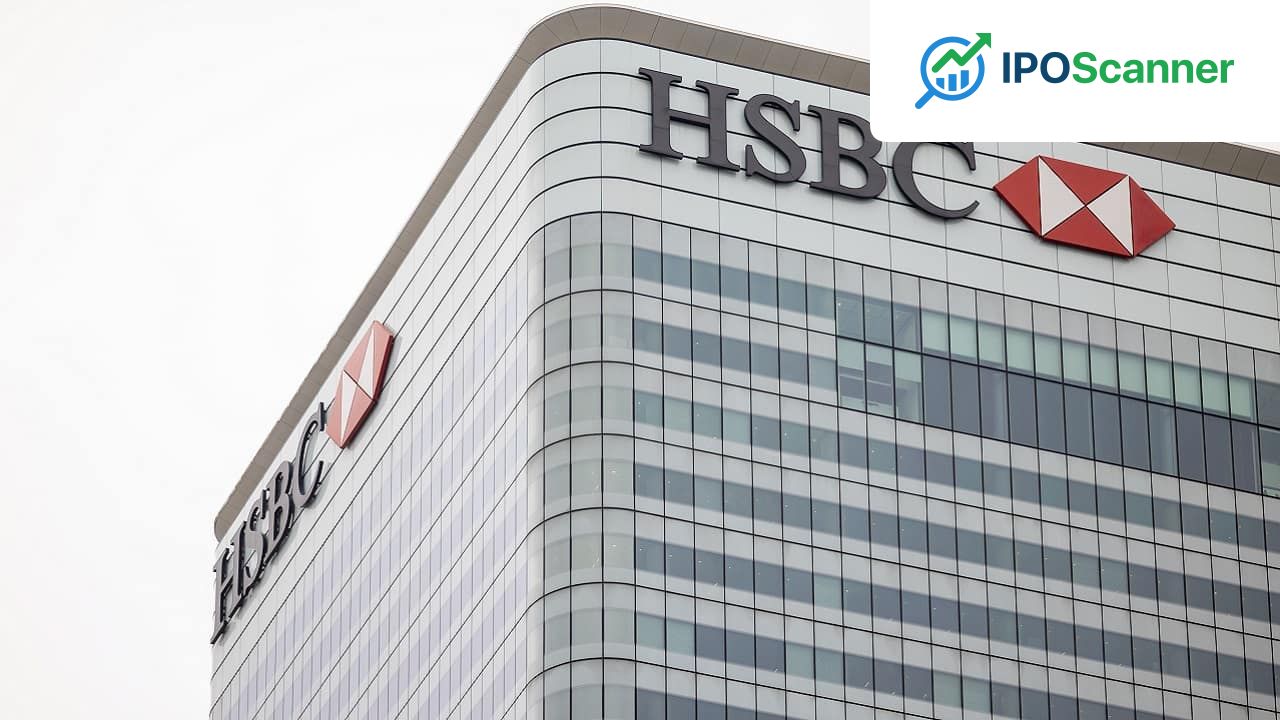
HSBC Cuts RBI Rate Hike Threshold as Oil Prices Rise
RBI May Not Need to Tighten Monetary Policy Despite Rising Oil Prices
As oil prices hover near $100 per barrel and the rupee comes under renewed scrutiny, markets have begun to anticipate a tightening of monetary policy by the Reserve Bank of India (RBI). However, a recent note from HSBC suggests that the threshold for rate hikes may be significantly higher than market expectations, even as the macroeconomic backdrop becomes increasingly uncomfortable.
According to HSBC's analysis, India's flexible inflation-targeting framework allows consumer prices to move within a 2 to 6% range, rather than forcing a reaction to every upside deviation from the 4% midpoint. Even with oil prices near current levels, HSBC's modelling suggests that this cushion may hold, and rate hikes may not be necessary if oil averages below $100 per barrel.
The trigger for policy action, HSBC argues, should shift from oil headlines to inflation outcomes, with a focus on whether inflation sustains above 6%. Markets, however, are more concerned about the currency front, with speculation growing that the RBI could turn to interest rates as a line of defence against rupee weakness.
Read also: Treasury Yields Experience Largest Increase in Two Weeks Following Release of Labor Market Data
HSBC is sceptical of this view, citing the cost-benefit trade-off of an interest-rate defence. While acknowledging the RBI's recent tightening of onshore FX positions, the brokerage stops short of expecting a follow-through via interest rates.
The current oil shock is not just a price shock, but also a supply disruption that is cutting across fuels like gas and LPG, with spillovers into manufacturing, fertilisers, and logistics. In this environment, higher rates do little to ease supply constraints, but can amplify the slowdown.
Historically, oil shocks have had relatively predictable policy outcomes. However, HSBC suggests that this playbook may not apply this time, given the broader and potentially more disruptive nature of the shock.
The result is a policy dilemma, one that is less about reacting quickly and more about avoiding the wrong move at the wrong time. Against this backdrop, HSBC outlines a different policy approach: restraint. Rather than tightening pre-emptively or stimulating aggressively, the brokerage sees merit in a "neutral" stance, where policy neither adds to nor subtracts from growth.
Read also: US-Iran Tensions Spark Uptick in Oil Prices Amid Global Market Decline
| Policy Scenario | Oil Price (USD/bbl) | Inflation Rate | RBI Rate Hikes |
|---|---|---|---|
| Base Case | 80 | Contained | No |
| Trigger for Hikes | 100 | Beyond 6% | Yes |
To be clear, HSBC is not ruling out rate hikes altogether. However, it is drawing a much narrower line for when they become necessary. That line is oil, and more specifically, whether it stays decisively above $100. Until then, the base case remains one of policy pause, with oil expected to average closer to $80 over the year.
The divergence between market expectations and HSBC's view leaves positioning vulnerable. Investors, conditioned by past cycles, have leaned toward anticipating quicker tightening when oil rises. However, if inflation undershoots those fears – or if growth concerns begin to dominate – that trade may need rethinking.
Investor Takeaway
HSBC suggests that the RBI may not need to hike rates despite rising oil prices, citing India's flexible inflation-targeting framework.
More in Economy

Treasury Yields Experience Largest Increase in Two Weeks Following Release of Labor Market Data

US-Iran Tensions Spark Uptick in Oil Prices Amid Global Market Decline

MoSPI Releases Uniform Norms for DDP Estimates with 2022-23 Base Year

