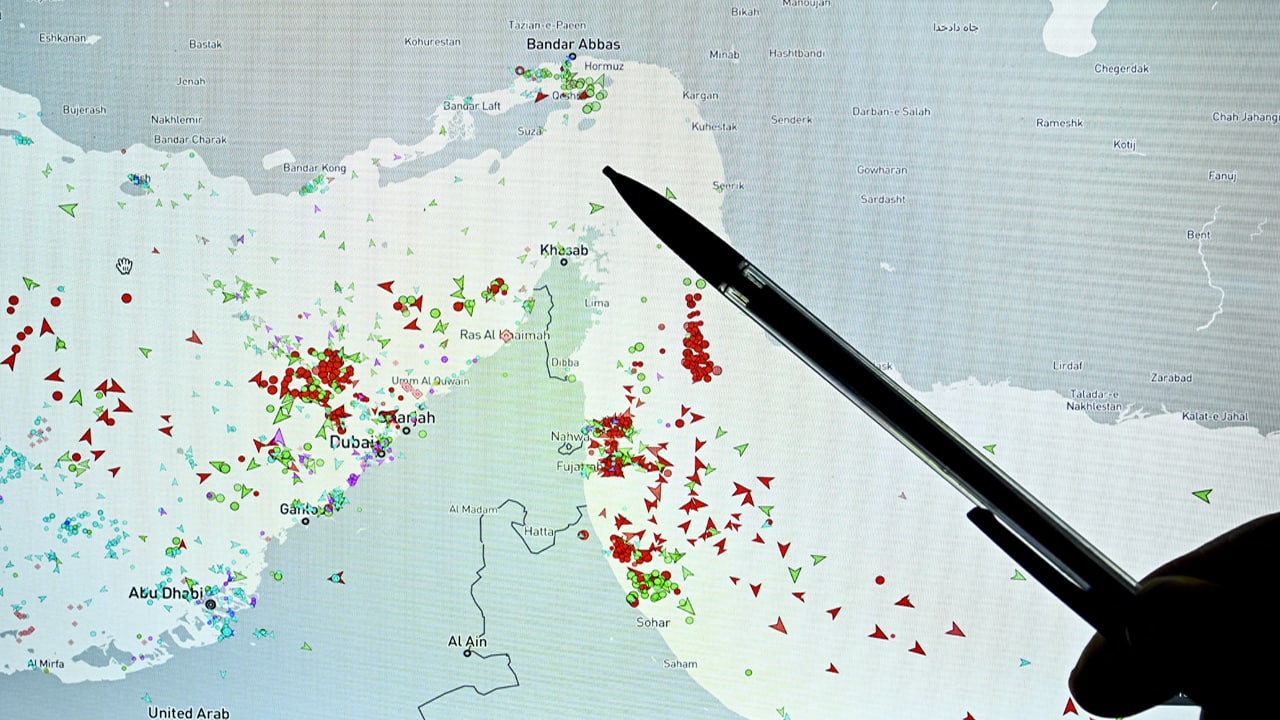
Hormuz Strait's Strategic Importance: Economic and Market Implications for India
Global Energy Disruptions and India's Economic Risks
The Strait of Hormuz, a 33-kilometer waterway, is a critical maritime chokepoint that accounts for approximately one-fifth of global oil trade, carrying 20 million barrels of oil per day. Recent disruptions in the region have revealed the fragility of this artery of global energy supply.
Crude Oil Prices Surge Following the attacks involving the US, Israel, and Iran, crude oil prices surged over 27%, with Brent crude prices rising from $61 per barrel at the start of the year to nearly $95, a surge of 55% year-to-date. This increase has significant economic consequences for energy-importing countries like India.
Impact on India's Economy India imports 5 million barrels of crude oil every day, with 50-52% of these imports passing through the Strait of Hormuz. Every $10 per barrel increase in crude oil prices widens India's current account deficit by approximately 50 basis points of GDP and raises the country's annual import bill by approximately $20 billion.
Read also: Treasury Yields Experience Largest Increase in Two Weeks Following Release of Labor Market Data
Ripple Effects Higher crude prices raise fuel costs, pushing up transport and logistics expenses, which feed into broader inflation across food, manufacturing, and services. This, in turn, reduces the flexibility of the Reserve Bank of India (RBI) to cut interest rates, affecting borrowing costs, corporate earnings, and market valuations.
Limited Strategic Petroleum Reserves India's strategic petroleum reserves currently provide approximately 9.5 days of crude oil import cover, falling short of the International Energy Agency's recommended benchmark of 90 days. This limited buffer increases the country's vulnerability to prolonged supply disruptions.
Investment Implications Investors should closely track Brent crude prices, the USD-INR exchange rate, and shipping activity through the Strait of Hormuz, as these variables will determine whether the current disruption remains a temporary shock or evolves into a broader macro headwind for the Indian economy.
Investor Takeaway
Investors should be prepared for potential volatility in global energy markets due to disruptions in the Strait of Hormuz.
More in Economy

Treasury Yields Experience Largest Increase in Two Weeks Following Release of Labor Market Data

US-Iran Tensions Spark Uptick in Oil Prices Amid Global Market Decline

MoSPI Releases Uniform Norms for DDP Estimates with 2022-23 Base Year

