Hormuz Strait Disruptions Pose Risk to Labor-Intensive Goods Exports Amid Escalating West Asian Tensions
Global Trade Disruption Risks Loom Large for Indian Exports
India's Labour-Intensive and Agricultural Export Sectors Face Double Shock
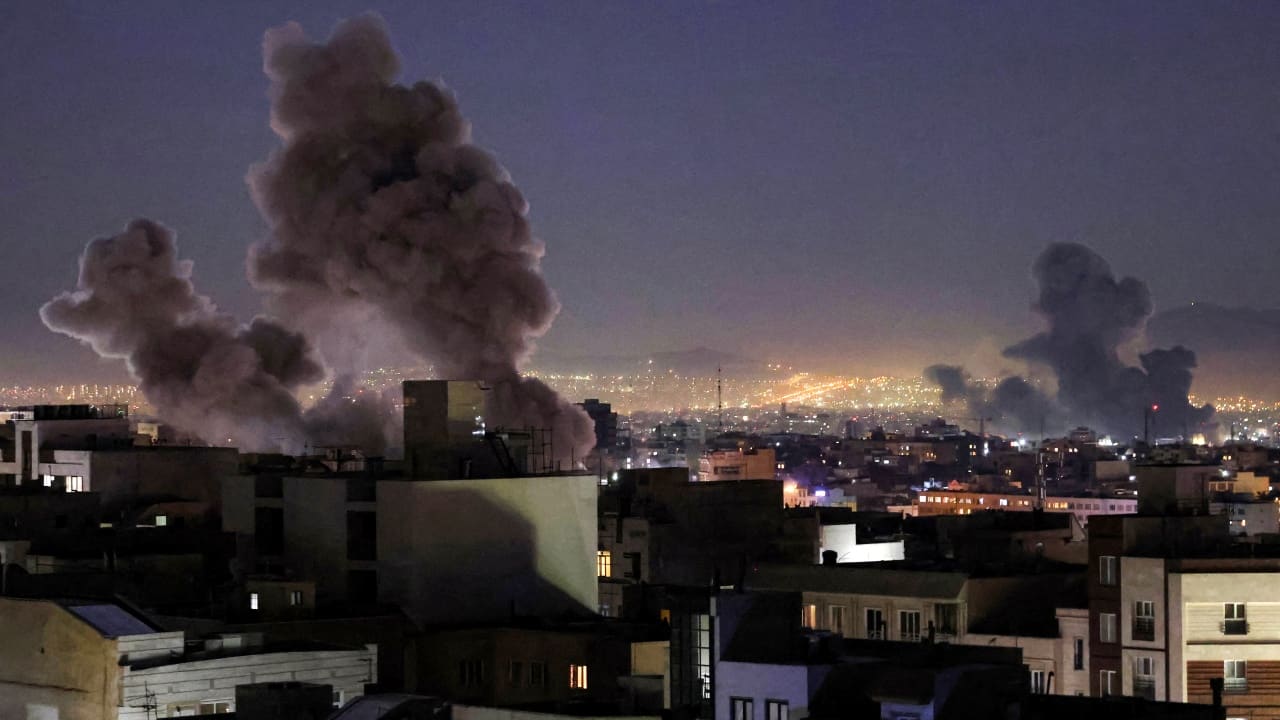
The escalating conflict in West Asia poses a significant threat to India's critical trade arteries, with the Strait of Hormuz accounting for 13% of India's exports and over half of India's oil imports. Moneycontrol analysis reveals that India's exposure to the region goes beyond oil, with Gulf economies accounting for a substantial share of demand for various products, including agricultural commodities and specialized industrial goods.
Vulnerability of Indian Exports
Read also: Treasury Yields Experience Largest Increase in Two Weeks Following Release of Labor Market Data
A detailed analysis of trade data shows that India's export dependence on the region is near absolute in several categories. For instance, 100% of India's sheep meat, certain wheat varieties, processed meat products, and select chemical compounds are routed through Hormuz-linked markets. Similarly, niche industrial products such as wood pulp and specialized chemical derivatives record export exposure exceeding 99% to these economies.
Labour-Intensive Sectors at Risk
Labour-intensive sectors, such as non-industrial diamond exports, headphone and earphone exports, and copper wire trade, are particularly vulnerable to disruptions. The United Arab Emirates and Saudi Arabia together account for the bulk of India's non-oil exports routed through the corridor, amplifying systemic risk if maritime traffic slows or freight premiums spike.
Agricultural Exporters Face Uncertainty
Read also: US-Iran Tensions Spark Uptick in Oil Prices Amid Global Market Decline
Agricultural exporters face an equally sharp threat, with the region absorbing over 75% of India's banana and cardamom shipments. Shipping delays, higher insurance costs, and payment uncertainties could impact farmers if tensions prolong.
Geographic Concentration of Trade Exposure
The United Arab Emirates and Saudi Arabia together account for the bulk of India's non-oil exports routed through the corridor, amplifying systemic risk if maritime traffic slows or freight premiums spike.
Additional Pressure from US Tariffs
Some products already affected by US tariffs may come under more pressure, including men's shirt trade, precious metal jewellery exports, and aluminium products. With airlines already cancelling flights and insurers reassessing risk premiums across West Asia, exporters and policymakers are closely watching developments. A prolonged disruption could simultaneously strain oil supplies and non-oil exports, turning a geopolitical shock into a broader trade and employment challenge for India.
Investor Takeaway
Investors should be cautious of potential disruptions in global trade due to escalating tensions in West Asia.
More in Economy

Treasury Yields Experience Largest Increase in Two Weeks Following Release of Labor Market Data

US-Iran Tensions Spark Uptick in Oil Prices Amid Global Market Decline

MoSPI Releases Uniform Norms for DDP Estimates with 2022-23 Base Year

