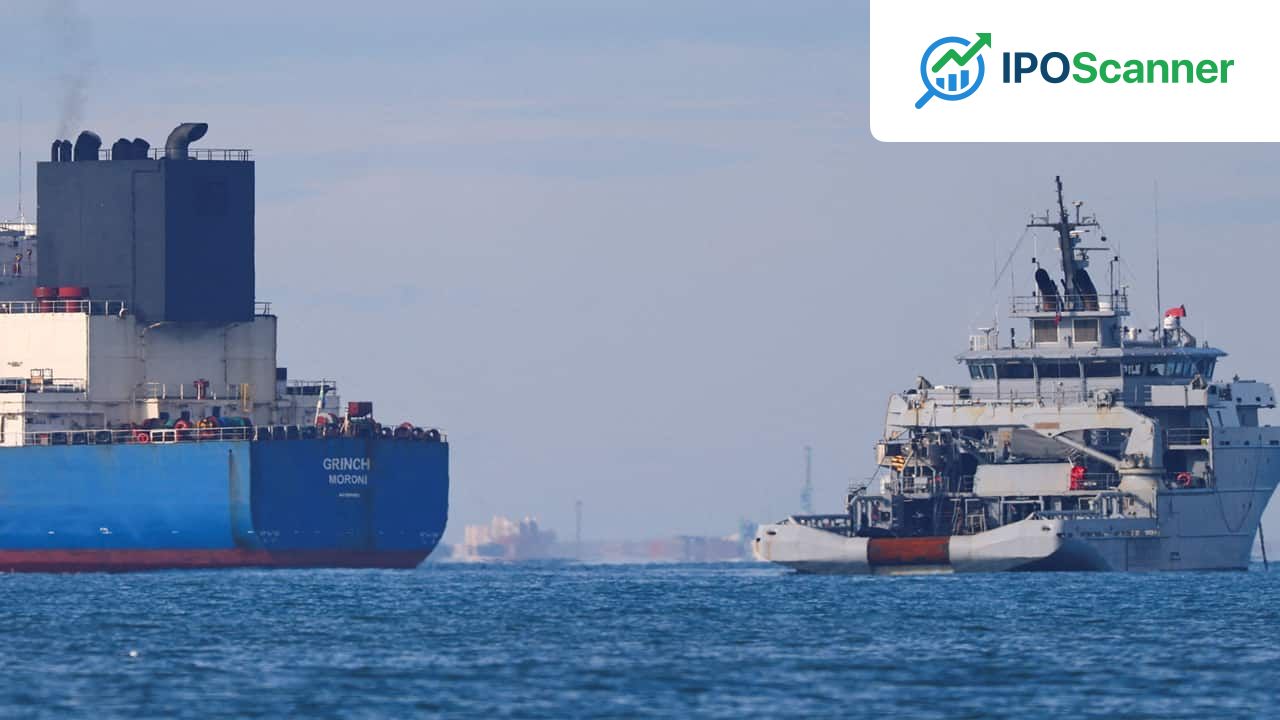
Hormuz Strait Blockade Drives Up Demand for Smaller Vessel Shipping
Strait of Hormuz Blockade Forces Oil Traders to Rethink Shipping Strategies
The ongoing blockade of the Strait of Hormuz has led to a significant shift in the way oil traders and refiners approach shipping, with many turning to smaller crude tankers as a safer and more cost-effective alternative to the larger Very Large Crude Carriers (VLCCs). This change is driven by the growing risk and expense associated with insuring large vessels for Gulf transits.
Charterers are increasingly opting for smaller Aframax and Suezmax ships, which offer lower insurance premiums, reduced risk, and superior maneuverability in the highly volatile waters surrounding the Strait of Hormuz. These vessels are better suited to navigating the region's 'on-off' conditions, making them a more attractive option for oil traders seeking to minimize their risk exposure.
According to data from Lloyd's of London, war risk insurance premiums have surged up to 7.5 percent in recent weeks, pushing insurance costs for $200–300 million tankers from $600,000 to up to $9 million a trip. This fundamental shift in voyage economics and profitability has altered the way oil traders approach shipping, with many now prioritizing smaller, more agile vessels.
Read also: Treasury Yields Experience Largest Increase in Two Weeks Following Release of Labor Market Data
| Vessel Type | Deadweight Tonnage (DWT) | Typical Haul |
|---|---|---|
| Aframax | 80,000–120,000 DWT | Short-to-medium hauls |
| Suezmax | 120,000–200,000 DWT | Designed to pass through the Suez Canal fully loaded |
Japanese refiners are among those making use of smaller tankers to transport US crude, opting for vessels that can pass through the Panama Canal rather than navigating longer routes. Three mid-sized tankers are scheduled to deliver US oil to Japan from late April through May, with two already transiting the Panama Canal and moving into the Pacific Ocean.
Oil traders are also using these smaller vessels to stock up on crude and supply it to smaller markets for a premium. Experts expect Aframax and Suezmax demand growth to exceed that of VLCCs in the short term, with VLCC strength potentially returning in H2 2026 if OPEC increases flows.
The shift towards smaller tankers has also led to a rise in "shadow fleet" activity, with older tankers operating without standard Western insurance attempting dark transits or utilizing ship-to-ship (STS) transfers in the Gulf of Oman to bypass the Strait. While this mitigates the insurance hurdle, it does not solve the throughput problem, creating a massive operational bottleneck for Indian refiners who require consistent, high-volume supply.
Read also: US-Iran Tensions Spark Uptick in Oil Prices Amid Global Market Decline
More in Economy

Treasury Yields Experience Largest Increase in Two Weeks Following Release of Labor Market Data

US-Iran Tensions Spark Uptick in Oil Prices Amid Global Market Decline

MoSPI Releases Uniform Norms for DDP Estimates with 2022-23 Base Year

