
Hong Kong's Private Wealth Bankers Face Uncertain Future
Hong Kong's Offshore Wealth Management Hub Faces Uncertain Future
Hong Kong narrowly overtook Switzerland as the world's largest offshore wealth management hub, but the sustainability of this business is already being called into question. China's recent crackdown on cross-border stock trading has raised concerns about the future of Hong Kong's prized private banking business.
China's recent move is aimed at three retail-facing online securities firms: Futu Holdings Ltd., Up Fintech Holding Ltd.'s Tiger Brokers, and Longbridge Securities Ltd. However, the bigger question is whether Hong Kong's private banking business will be affected. The move is widely interpreted as China tightening controls on capital flight from the mainland, fearing that unchecked outflows would weaken the yuan and destabilize its financial system.
Managing money for affluent individuals is highly lucrative. At HSBC, this business can notch up a 35% return on equity, well above the company average of 17%, according to Goldman Sachs Group Inc.'s estimates. Last year, Hong Kong's cross-border wealth rose 10.7% to $2.9 trillion, with mainland flows representing 59% of assets under management, per the Boston Consulting Group Inc.
Read also: Amazon India Expands Quick Commerce Efforts Despite Initial Challenges
China's crackdown on cross-border stock trading involves steep penalties and a two-year deadline for online brokers to liquidate all existing accounts held by mainland Chinese. The city's securities watchdog has also warned against poor due diligence with client onboarding and demanded close monitoring of dormant accounts.
There are at least three big hurdles for Hong Kong's private banking business. First, China alleged that the online securities firms broke the law because they didn't have the licenses to solicit mainland clients for cross-border stock trading. Second, can mainland clients invest overseas while being onshore? As part of the online brokerage crackdown, there's an understanding that going forward, Chinese investors will not be allowed to transact on their apps if they're physically present in the mainland. Third, how retroactive will China be? Futu and Tiger are being asked to liquidate all accounts held by mainland Chinese, a departure from an understanding developed three years ago from an earlier regulatory crackdown that the brokers could continue to serve existing mainland clients but were forbidden from seeking out new users.
Some institutions are already treading with caution. The Shanghai branch of Hong Kong-based Bank of East Asia Ltd. has suspended offshore account openings for its high-net-worth clients, reported the South China Morning Post. UBS Group AG has postponed a midyear wealth outlook event in China, while HSBC Holdings Plc is discouraging non-essential mainland travel for Hong Kong-based private bankers.
Hong Kong's monetary authority has instructed banks to require customers to declare that funds used in investment accounts originated outside mainland China. At Standard Chartered Plc, 30% of net new money the bank generates is from "global Chinese clients" with money already sitting offshore, according to management. If Beijing decides to go a step further, a simple declaration form wouldn't be sufficient. Local institutions will have to conduct thorough due diligence themselves, which would be a time-consuming, labor-intensive compliance nightmare that will inevitably slash wealth divisions' operating efficiency.
Hong Kong likes to portray itself as a global financial hub, but Beijing's latest crackdown is a real stress test to that image. In the coming months, we will find out if China's reach will extend all the way from brokers to bankers. The city's posh private wealth managers should be worried.
| Company | Return on Equity |
|---|---|
| HSBC | 35% |
| HSBC Average | 17% |
Author: Shuli Ren is a Bloomberg Opinion columnist covering Asian markets. A former investment banker, she was a markets reporter for Barron's. She is a CFA charterholder.
Investor Takeaway
Investors should be cautious of potential changes in Hong Kong's private wealth management industry due to China's crackdown on cross-border stock trading.
More in Economy

Amazon India Expands Quick Commerce Efforts Despite Initial Challenges
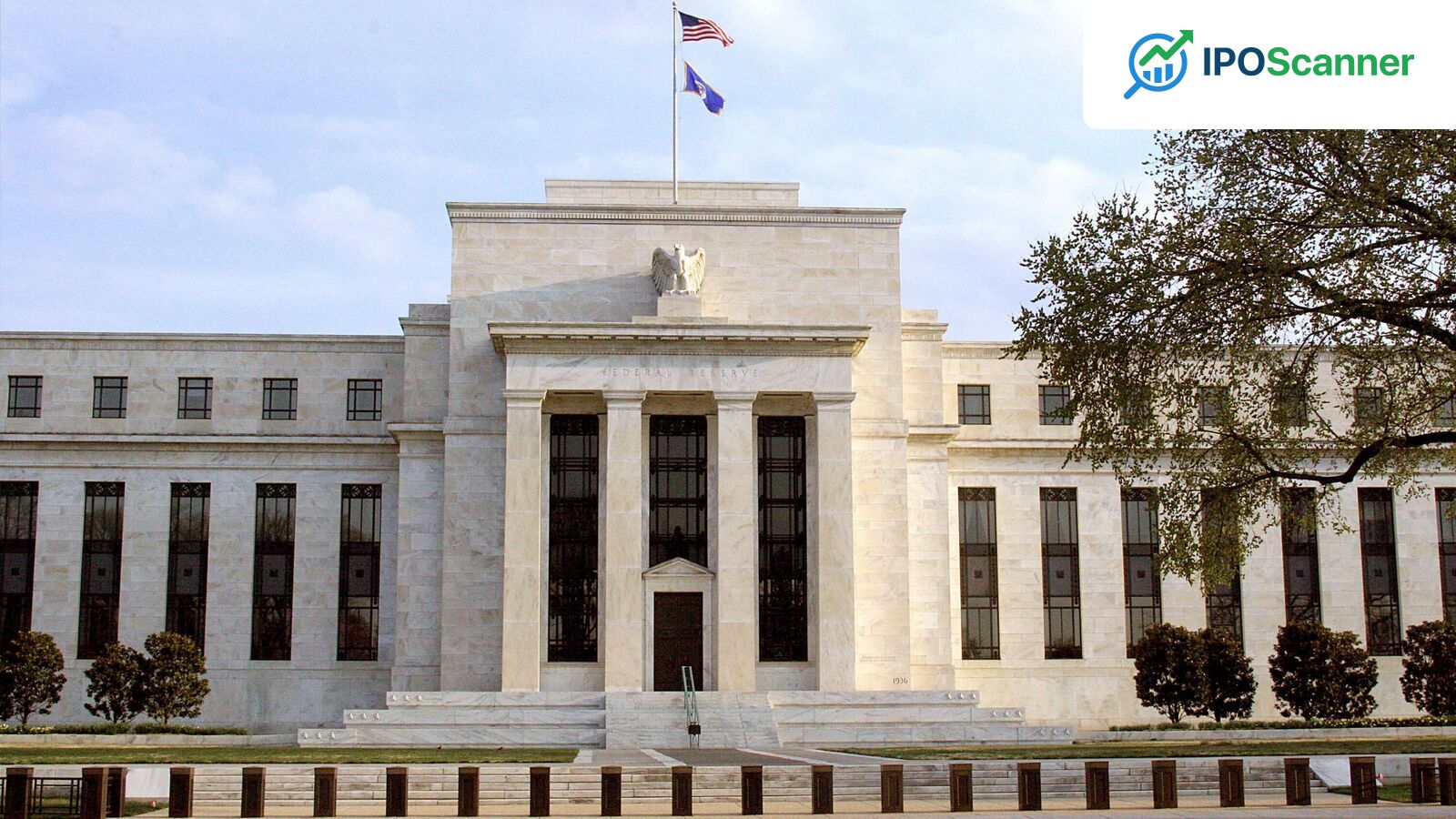
Trump Responds to Strong US Jobs Report Amid Rising Expectations of Future Federal Reserve Rate Hikes

Tensions in the Gulf and Concerns Over Upcoming Federal Reserve Interest Rate Hike Keep Commodity Markets in a State of High Volatility Ahead of Critical Inflation Data Release