Hindustan Unilever Increases Prices by 2-5%, Adapts Packaging Sizes Amid Rising Input Costs
Hindustan Unilever Adapts to Cost Inflation with Price Hikes and Efficiency Measures
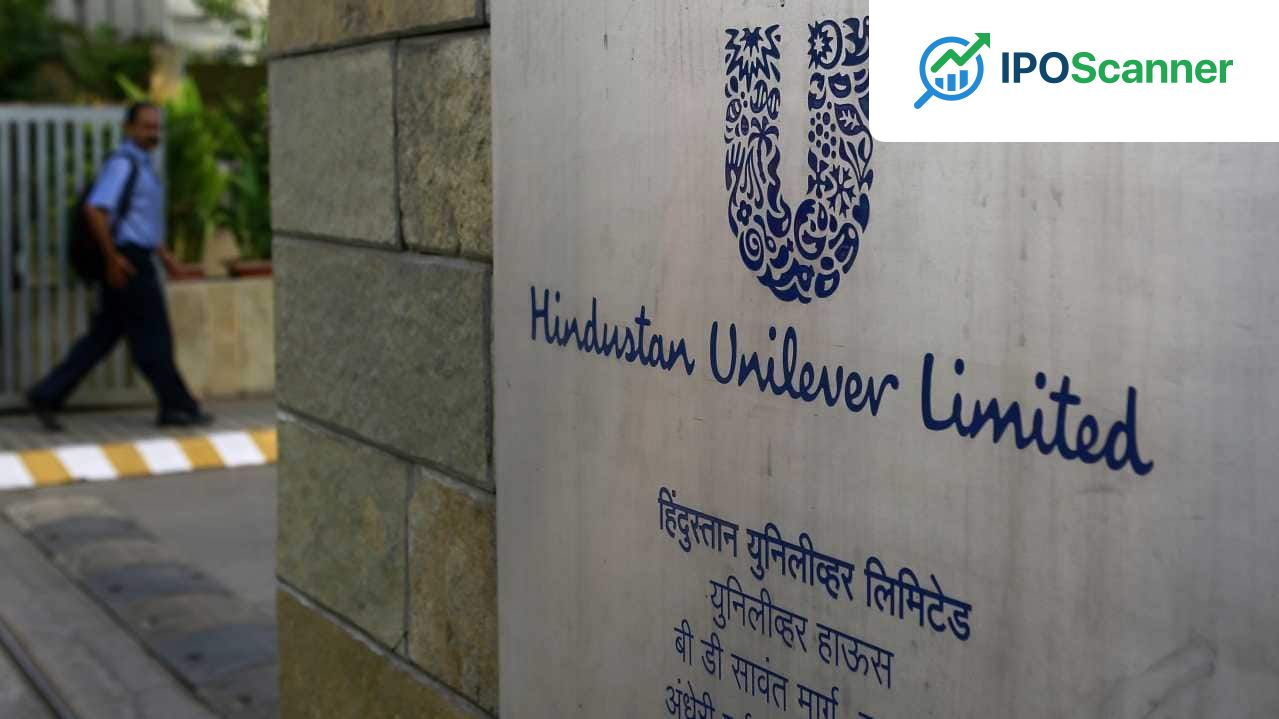
Hindustan Unilever (HUL), the Indian fast-moving consumer goods (FMCG) giant, is taking steps to combat the surge in crude-linked raw material costs. In a post-earnings conference on April 30, chief financial officer Niranjan Gupta revealed that the company is reducing grammage in low-priced sachets and increasing the price of larger packs to mitigate the impact of cost inflation.
The price hikes, which range from 2-5 percent across product categories, have already been implemented in response to an 8-10 percent cost inflation triggered by the ongoing conflict in West Asia. Despite this, HUL is confident of navigating the current situation and has reiterated its guidance for fiscal year 2027 to be better than fiscal year 2026. The company's chief executive officer and managing director, Priya Nair, emphasized that driving competitive volume-led growth will remain the top priority.
HUL's strategy to address the cost inflation includes ramping up its savings programme and balancing price hikes with volume growth. The company is also leveraging its overseas network to secure supplies and ensure production continuity. Additionally, HUL is implementing the optimization of overheads and other expenses to bridge the gap between the price increases and inflation.
Read also: Treasury Yields Experience Largest Increase in Two Weeks Following Release of Labor Market Data
Price Hike Impact by Segment
| Segment | Price Hike |
|---|---|
| Home Care | 2-5% |
| Personal Care | 2-5% |
| Beauty & Wellbeing | 2-5% |
| Foods | Deflation in tea |
In the March quarter, HUL's fourth quarter expenses rose 8 percent to Rs 12,934 crore. Although the company reported a 21 percent jump in consolidated net profit, the EBITDA margin declined by nearly 1 percentage point from a year ago, hurt by the cost inflation. HUL's EBITDA margins are expected to remain in the 22.5–23.5 percent range as the company focuses on competitive, volume-led growth rather than aggressive margin expansion.
To manage the impact of cost inflation, HUL is judiciously managing pricing and using all the levers of the P&L to ensure that it stays within the guided margin. The company's Q4 report card showed a 20.9 percent year-on-year rise in consolidated net profit attributable to owners at Rs 2,992 crore for the fiscal fourth quarter. Consolidated revenue rose 7.6 percent to Rs 16,351 crore, with EBITDA from continuing operations growing 6 percent year-on-year to Rs 3,841 crore.
Read also: US-Iran Tensions Spark Uptick in Oil Prices Amid Global Market Decline
HUL's efforts to adapt to the cost inflation are aimed at maintaining an attractive price-value equation for consumers and ensuring the company's long-term sustainability.
Investor Takeaway
Hindustan Unilever is adapting to rising input costs by increasing prices and adjusting packaging sizes.
More in Market

Treasury Yields Experience Largest Increase in Two Weeks Following Release of Labor Market Data

US-Iran Tensions Spark Uptick in Oil Prices Amid Global Market Decline

Indian Stocks to Watch: BHEL, Agarwal Industrial, JBM Auto, Rajesh Exports, Indian Energy Exchange, Lenskart Solutions in Market Focus on June 4.