EconomyMar 1, 2026
Half of India's Oil Imports at Risk as US-Israel Strike on Iran Raises Hormuz Supply Concerns
Global Oil Markets on High Alert After US-Israel Strikes on Iran
Key Points:
- Brent crude prices are expected to move higher amidst concerns of possible supply disruption through the Strait of Hormuz.
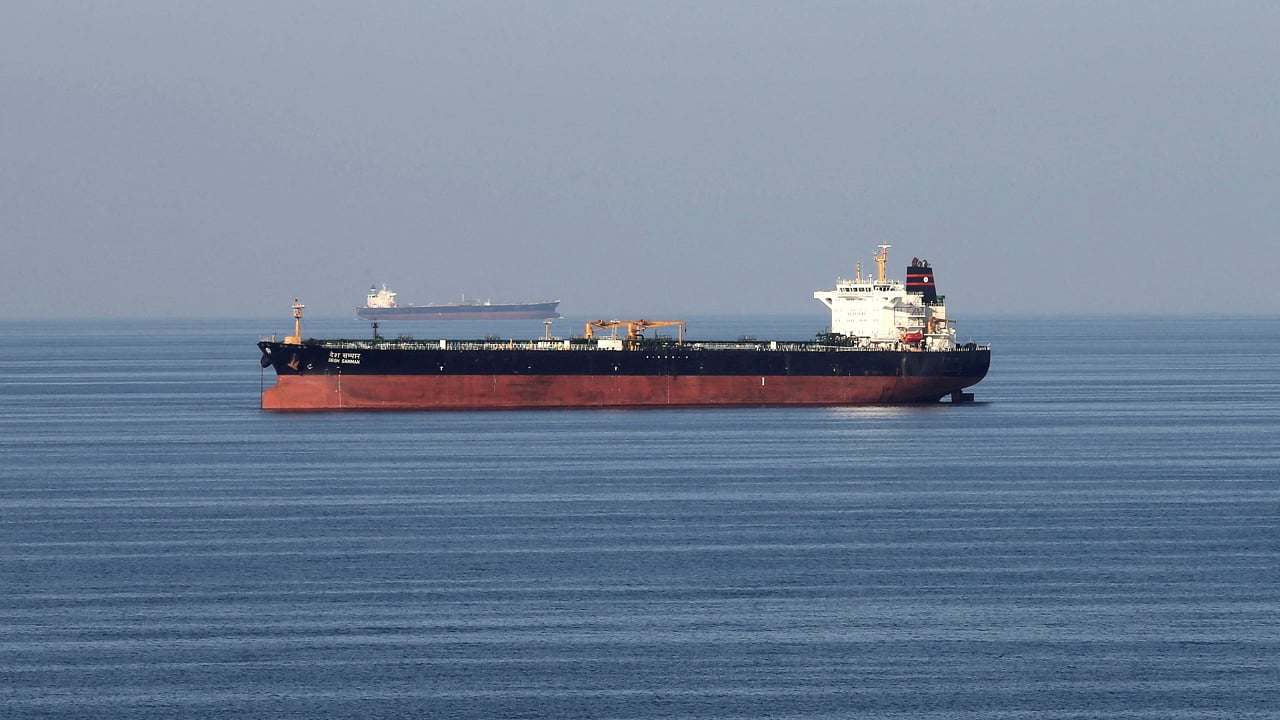
- Around 50% of India's crude imports, approximately 2.6 million barrels per day, pass through the Strait of Hormuz, posing significant risks to the country's import bill, inflation, and current account deficit.
Market Analysis:
Read also: Treasury Yields Experience Largest Increase in Two Weeks Following Release of Labor Market Data
- Brent crude was trading at around $72 to 73 per barrel in late February, and analysts expect prices to move higher as tensions rise.
- If shipping through key routes is affected, crude prices could move towards $80 or higher.
- Experts point to OPEC+ spare capacity, particularly in Saudi Arabia, which could prevent prices from staying elevated for long.
India-Specific Risks:
- A sustained 25% rise in oil prices could add around $15 billion to India's import bill, widen the current account deficit by 0.3% of GDP, raise inflation by 0.7 percentage points, and reduce real GDP growth by 0.2%.
- Risks also extend to trade and remittances from the Gulf, estimated at $40 to 50 billion a year, and to the 9+ million Indians living in the region.
Market Implications:
Read also: US-Iran Tensions Spark Uptick in Oil Prices Amid Global Market Decline
- Upstream companies (ONGC, Oil India) may benefit in the short term from higher realizations.
- Downstream companies and OMCs (IOC, BPCL, HPCL), along with aviation, autos, paints, and logistics, face higher input costs and delayed price pass-throughs.
- The broader economy faces risks from inflation, current account pressure, fiscal strain, and a cautious RBI stance.
Global Outlook:
- OPEC+ output increases from April 1 by around 1,67,000 bpd could limit price gains if disruptions remain brief.
- Markets reopen on Monday with volatility expected, and crude futures, tanker movement, and any further developments overnight will be closely watched.
Investor Takeaway
Investors should be prepared for potential price increases in crude oil due to supply disruptions through the Strait of Hormuz.
More in Economy

Market·1h ago
Treasury Yields Experience Largest Increase in Two Weeks Following Release of Labor Market Data

Economy·2h ago
US-Iran Tensions Spark Uptick in Oil Prices Amid Global Market Decline

Economy·4h ago
MoSPI Releases Uniform Norms for DDP Estimates with 2022-23 Base Year

Economy·4h ago
