Gulf Trade Rerouted Through Oman Exposes Emerging Supply Chain Bottlenecks
Trade Disruptions in West Asia Weigh on India's Exports
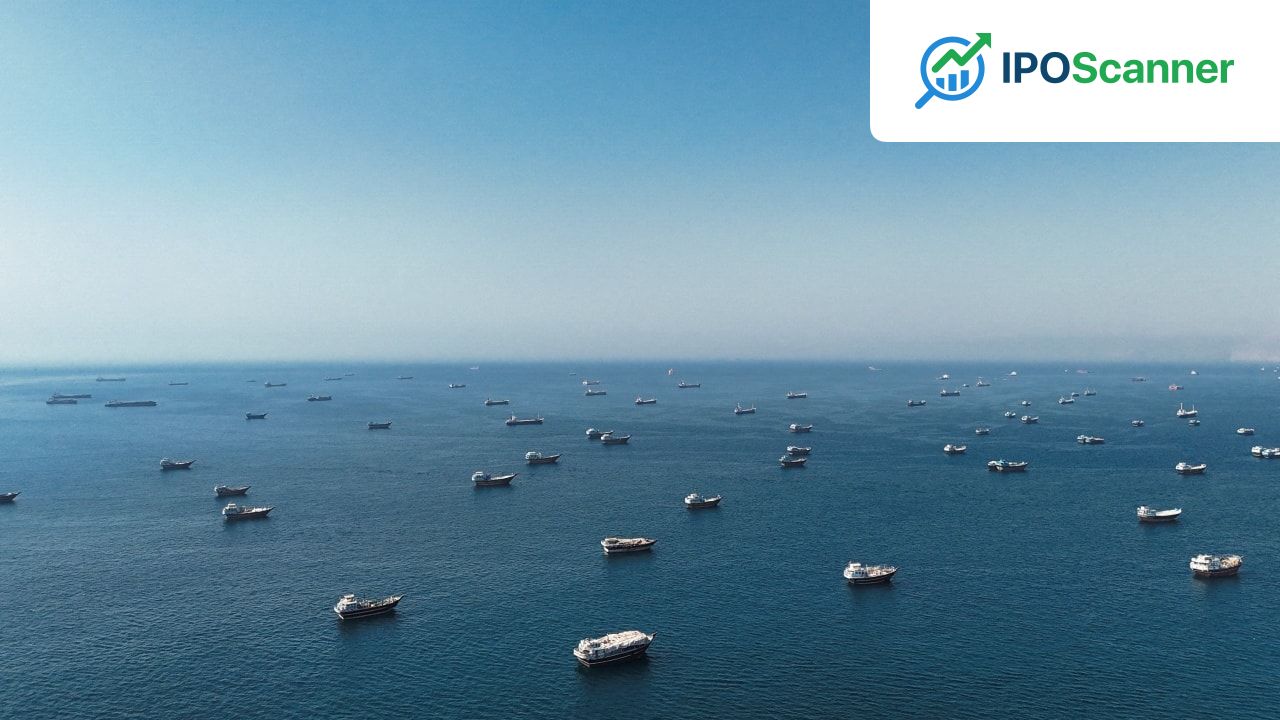
Tensions in West Asia continue to impact trade routes through the Strait of Hormuz, with businesses adapting to disruptions by using an overland corridor linking Oman to the wider Gulf region. According to government officials, the Hatta border crossing between Oman and the UAE has emerged as a critical route for cargo movement.
While the Strait of Hormuz remains congested, few shipments are reaching Gulf nations through Omani ports and then being trucked onward through the Hatta border crossing. This highlights a significant shift in regional logistics patterns. The Hatta border is a major road-based land crossing between the UAE and Oman, connecting Dubai with Oman's northern region.
However, this solution will not fully offset the drop in exports to Gulf countries, as the route is facing growing pressure from limited trucking capacity and rising transport costs. Officials said that there are logistics issues, with cargo having to move over the road through the Hatta border after reaching Omani ports.
Read also: Treasury Yields Experience Largest Increase in Two Weeks Following Release of Labor Market Data
Export Declines Deepen
In March, Indian exports to the Gulf Cooperation Council (GCC) fell by over 2 percent year-on-year, while in April, the decline deepened to over 30 percent. Imports from the region also fell by almost 20 percent. The GCC is a regional bloc comprising Bahrain, Kuwait, Oman, Qatar, Saudi Arabia, and the United Arab Emirates.
Oman-India Trade Deal Offers Some Relief
The Oman-India trade deal, which kicked in from June 1, offers preferential access to Omani markets, which may help with onward shipments to the larger Gulf region. However, there are concerns that the deal may not be able to offset the impact of supply chain disruptions caused by the war.
Read also: US-Iran Tensions Spark Uptick in Oil Prices Amid Global Market Decline
Petroleum Imports Increase
Data shows that India's petroleum products imports from Oman increased from $151.12 million in February to $405.85 million in March, and remained almost steady at $402.84 million in April. Even petroleum crude imports increased from zero in February to $545.72 million in March and $579.33 million in April.
| Month | Petroleum Products Imports (USD million) |
|---|---|
| February | $151.12 |
| March | $405.85 |
| April | $402.84 |
| Month | Petroleum Crude Imports (USD million) |
|---|---|
| February | $0 |
| March | $545.72 |
| April | $579.33 |
No Alternative to Maritime Access
Unless the Strait of Hormuz opens up and tensions ease, it will be difficult for a majority of Indian exports to resume normal flows to the wider Gulf region, officials said. They added that there is "no real alternative" yet to maritime access through the Strait.
Investor Takeaway
Investors should be cautious of potential supply chain disruptions in the region.
More in Economy

Treasury Yields Experience Largest Increase in Two Weeks Following Release of Labor Market Data

US-Iran Tensions Spark Uptick in Oil Prices Amid Global Market Decline

MoSPI Releases Uniform Norms for DDP Estimates with 2022-23 Base Year

