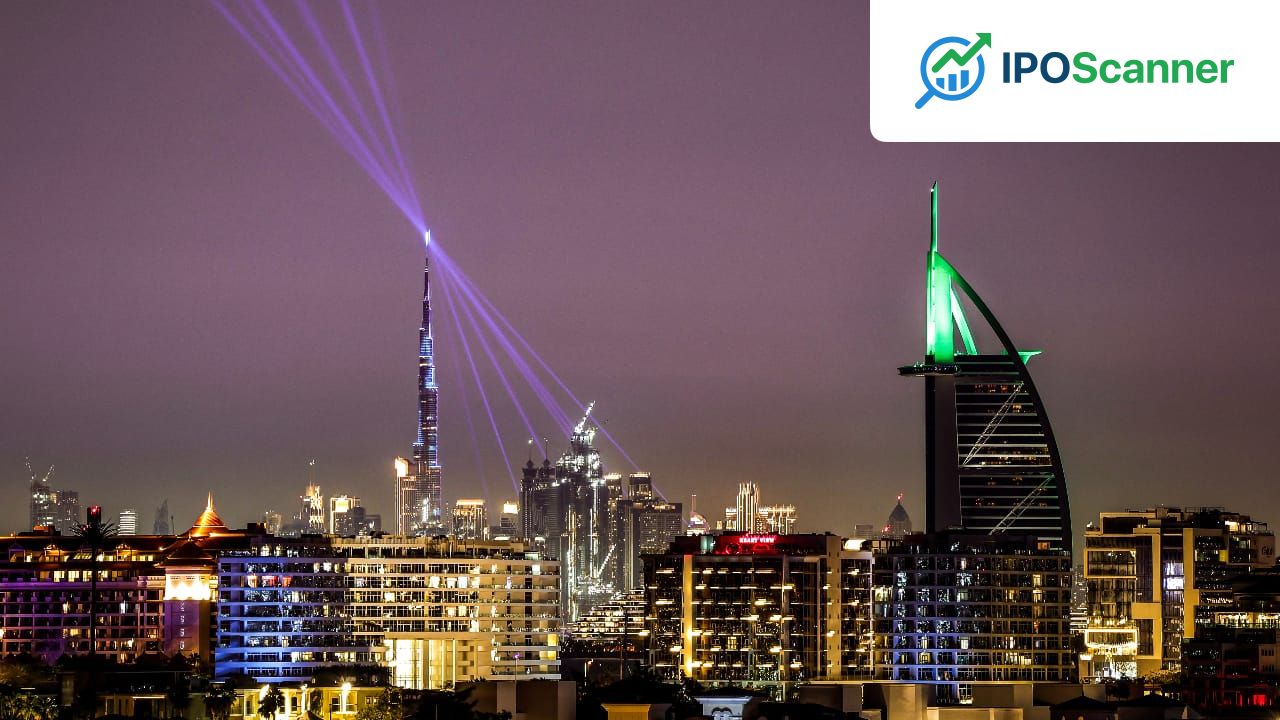
Gulf States Step Up as Wall Street's Lifeline During 2008 Crisis
Financial Realignments Unfold in West Asia Amid Escalating Iran Conflict
As the world watches fresh military escalations in Iran, a quieter shift in financial dynamics is unfolding in West Asia. While diplomatic "what ifs" shape ongoing peace talks in Islamabad, financial realignments are taking place in Gulf capitals.
A report by the Wall Street Journal on April 19, 2026 revealed that the United Arab Emirates has opened discussions with the United States on a possible financial backstop, in case the Iran conflict escalates into a broader economic shock for the region. UAE Central Bank Governor Khaled Mohamed Balama reportedly raised the idea of a currency swap line with US Treasury Secretary Scott Bessent and Federal Reserve officials during meetings in Washington. The Emirati officials have not made a formal request so far, describing the proposal as precautionary.
The talks reflect concern that the conflict could hurt the UAE's economy, weaken its position as a global financial hub, deplete foreign reserves, and deter investors. Disruptions to oil infrastructure and shipping routes, including the Strait of Hormuz, have added to these risks. If agreed, a swap line would allow the UAE central bank access to US dollars during periods of stress to support liquidity and stabilize reserves.
Read also: Treasury Yields Experience Largest Increase in Two Weeks Following Release of Labor Market Data
Comparison of US and GCC Sovereign Wealth Funds in 2008 vs. Today
| Institution | 2008 Direct Investments in US Firms | Collective Assets Managed in 2022 |
|---|---|---|
| Gulf Sovereign Wealth Funds | $30 billion | $3 trillion |
| Citigroup | Billions in support | - |
| Barclays | Billions in support | - |
| Abu Dhabi Investment Authority | - | $829 billion |
| Kuwait Investment Authority | - | $769 billion |
| Saudi Public Investment Fund | - | $620 billion |
| Qatar Investment Authority | - | $445 billion |
| Investment Corporation of Dubai | - | $300 billion |
| Mubadala | - | $284 billion |
| ADQ | - | $108 billion |
The development stands in sharp contrast to 2008, when Gulf sovereign wealth funds were seen as "white knights" of global finance. During the global financial crisis, when US markets froze due to subprime lending collapse and the housing bubble burst, Gulf investors stepped in with large capital infusions into struggling Western banks. Institutions such as Citigroup and Barclays received billions in support, while Gulf funds also expanded into global assets ranging from football clubs like Manchester City to luxury assets such as Harrods.
What is a Sovereign Wealth Fund?
Read also: US-Iran Tensions Spark Uptick in Oil Prices Amid Global Market Decline
A sovereign wealth fund is typically a state-owned investment vehicle funded by surplus reserves, commodity revenues, or foreign currency holdings. Its purpose is to generate long-term returns, support economic diversification, and provide stability during financial shocks.
Recap of Sovereign Wealth Fund Investments
According to the US Federal Reserve, sovereign wealth funds made direct investments totaling more than $30 billion in U.S. financial firms, including approximately $17 billion in commercial banking organizations, in 2008.
The seven largest sovereign wealth funds in the Gulf region collectively manage over $3 trillion in assets, according to a 2022 report by sovereign wealth fund tracker Global SWF. These include the Abu Dhabi Investment Authority ($829 billion), Kuwait Investment Authority ($769 billion), Saudi Public Investment Fund ($620 billion), Qatar Investment Authority ($445 billion), Investment Corporation of Dubai ($300 billion), Mubadala ($284 billion), and ADQ ($108 billion).
Even before the 2008 global financial crisis, Gulf sovereign funds were already shifting away from traditional holdings such as foreign deposits and government securities toward larger equity investments in global companies. However, the Great Recession significantly accelerated this transition, as collapsing asset prices created opportunities to acquire stakes in major firms at discounted valuations.
Foreign direct investments by GCC sovereign wealth funds surged 540 percent, rising from 15 deals in 2006 to 96 in 2009, according to data from the European Investment Bank. During the peak of the subprime mortgage crisis, these funds played a critical stabilizing role in global markets, injecting around $40 billion into struggling Western financial institutions, including Citigroup, Morgan Stanley, UBS, and Merrill Lynch, helping shore up capital at a time of extreme liquidity stress.
More in Economy

Treasury Yields Experience Largest Increase in Two Weeks Following Release of Labor Market Data

US-Iran Tensions Spark Uptick in Oil Prices Amid Global Market Decline

MoSPI Releases Uniform Norms for DDP Estimates with 2022-23 Base Year

