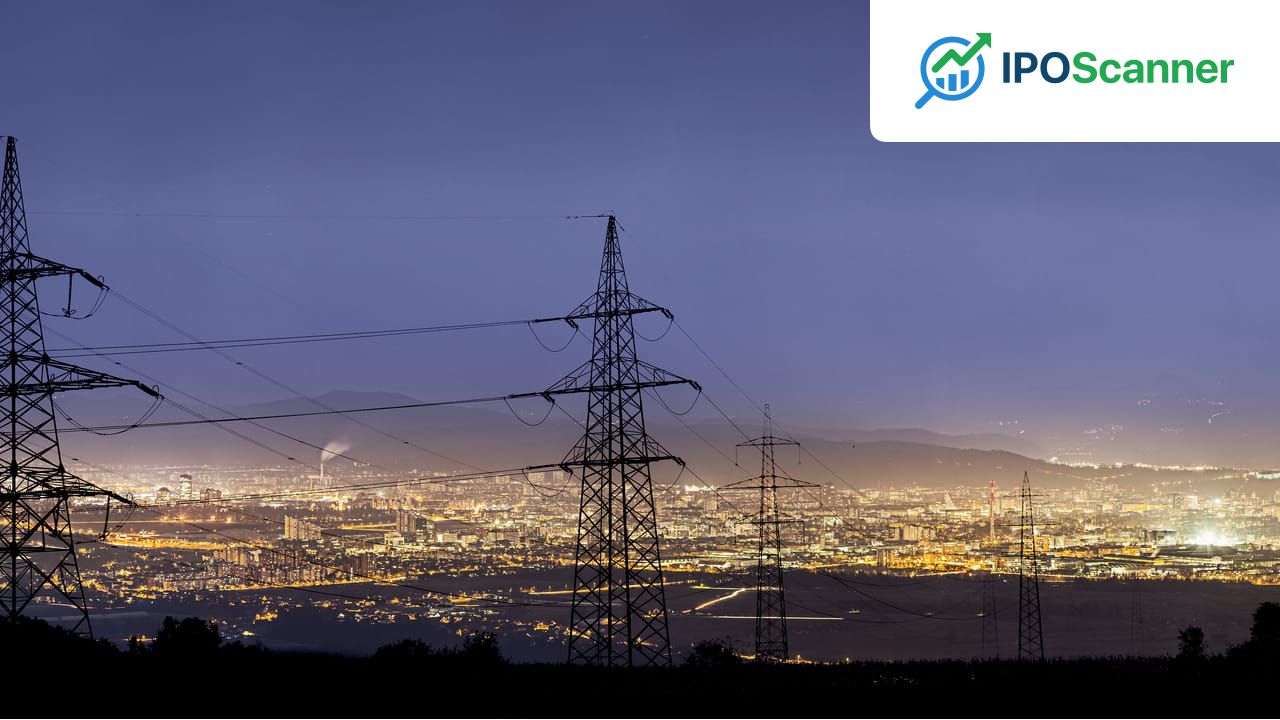
Gujarat Deploys 870MW Battery Power Backup Network to Enhance Renewable Energy Grid Stability
Gujarat Embarks on Ambitious Battery Storage Initiative
Gujarat has taken a significant step in maintaining the stability of its renewable power grid by initiating battery storage systems at five locations across the state, with a total capacity of 870 MW. This move is aimed at managing additional load and ensuring grid stability, as officials announced on Saturday.
Battery Energy Storage Systems (BESS) are a crucial component in storing electricity generated from solar and other renewable sources. They play a vital role in managing excess energy generated during peak hours, which can be supplied later during periods of high demand. This helps reduce stress on the grid and improves grid stability.
The state has registered 13 projects across Ahmedabad, Gandhinagar, Banaskantha, Patan, and Kutch districts to set up additional battery storage systems. One notable project is the integration of a battery storage system with a solar power plant at Modhera, which has been recognized as India's first solar village.
Read also: Treasury Yields Experience Largest Increase in Two Weeks Following Release of Labor Market Data
Under the leadership of Chief Minister Bhupendra Patel, Gujarat has continued to advance in the direction of battery storage systems and has strengthened its position among the leading states driving this technology in India. Recently, a battery storage system was commissioned at Charal in the Sanand taluka of Ahmedabad.
Four systems are operational at Modhera in Mehsana and Lakhpat in Kutch. The state government has included advanced energy storage systems as a key component in the Gujarat Integrated Renewable Energy Policy, 2025. This policy aims to approve standalone battery storage projects, works linked with new renewable energy installations, and those integrated with existing renewable energy systems.
Once the Standard Operating Procedure is approved, registrations for battery storage will open for commercial and industrial users, allowing them to set up battery storage alongside their solar or wind projects. The state government is developing battery storage systems across Gujarat, with companies being invited in through a competitive bidding process.
| Location | Capacity (MW) |
|---|---|
| Modhera | 200 MW |
| Lakhpat | 150 MW |
| Charal | 100 MW |
| Other locations | 320 MW |
| Total | 870 MW |
Read also: US-Iran Tensions Spark Uptick in Oil Prices Amid Global Market Decline
Power generation from solar and other renewable sources fluctuates throughout the day. Excess energy generated during peak hours can be stored and supplied later during periods of high demand, especially in the evening when solar output declines. Battery storage systems help reduce stress on the grid and improve grid stability.
GETCO (Gujarat Energy Transmission Corporation) and power distribution companies strategically identify locations for battery storage systems based on grid capacity and operational requirements. This approach ensures that battery storage systems are effectively integrated into the grid, enhancing the overall stability and reliability of the renewable power system.
More in Economy

Treasury Yields Experience Largest Increase in Two Weeks Following Release of Labor Market Data

US-Iran Tensions Spark Uptick in Oil Prices Amid Global Market Decline

MoSPI Releases Uniform Norms for DDP Estimates with 2022-23 Base Year

