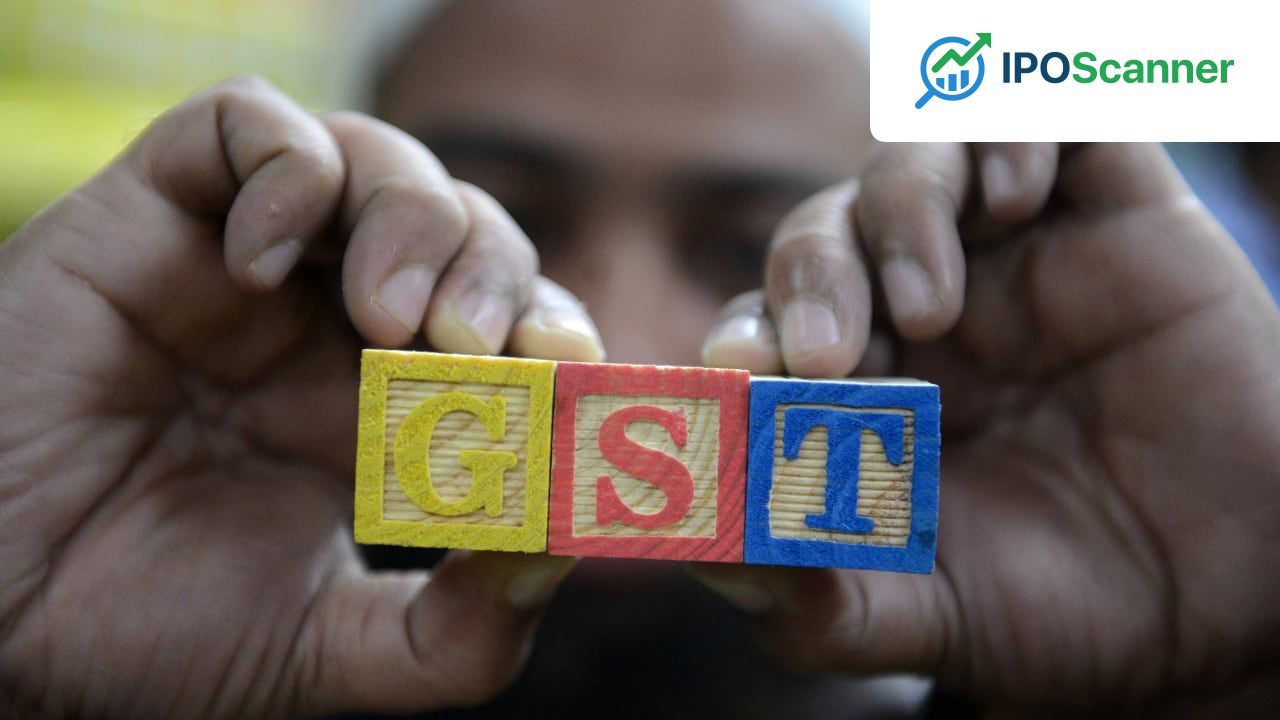
GSTN Allows Digital Recording of 'Goods Delivered' on E-Way Bill Portal
GSTN Introduces E-Way Bill Closure Facility for Digitally Recording Goods Delivery
The Goods and Services Tax Network (GSTN) has announced a new e-way bill closure facility for digitally recording the delivery of goods for which an e-way bill was generated on the GST portal. This facility, which has been introduced on a voluntary basis, enables the closure of the e-way bill once the delivery of goods is completed.
Prior to this development, the e-way bill framework primarily tracked the initiation and transit of goods movement but lacked a formal mechanism to digitally record the completion of delivery. The introduction of this closure feature will create a clearer end-to-end transaction trail and strengthen logistical accountability. Under the Goods and Services Tax (GST), a person carrying goods valued over Rs 50,000 is required to carry an e-way bill, which must be generated from the GST Portal by a GST-registered person or transporter before transporting the goods.
The GSTN has stated that the e-way bill may be closed by either the supplier, recipient, transporter involved in the transaction, driver, or any authorised person whose mobile number has been provided for closure. The changes are being implemented in the e-way bill system to strengthen data integrity, improve the traceability of goods movement, and enable system-driven closure of transactions.
Read also: Treasury Yields Experience Largest Increase in Two Weeks Following Release of Labor Market Data
AMRG Global Managing Partner Rajat Mohan has welcomed the introduction of the e-way bill closure facility, stating that it marks an important evolution in GST's digital compliance architecture. Businesses with large supply chains should begin evaluating their operational readiness early, as there is a strong possibility that GSTN may gradually move towards making such closure a mandatory compliance step.
The introduction of the e-way bill system in 2017 marked a significant structural reform, abolishing physical check posts across states and improving the free movement of goods. The e-way bill system emerged as an effective digital substitute, enabling online tracking of goods movement while supporting tax administration objectives without reintroducing physical barriers at the state borders.
| Current E-Way Bill System | Proposed Reforms |
|---|---|
| Primarily tracks initiation and transit of goods movement | Focuses on smooth logistics rather than enforcement and control |
| Lacks formal mechanism to digitally record completion of delivery | Creates clearer end-to-end transaction trail and strengthens logistical accountability |
The Finance Ministry's Economic Survey had suggested in January that the next wave of GST reforms could focus on reimagining the e-way bill system as a facilitator of smooth logistics rather than only as a tool for enforcement and control. Such reforms would amount to a significant deregulation of the logistics ecosystem, reducing costs and delays for trade while maintaining effective, non-intrusive oversight for tax administration. The next meeting of the GST Council is expected to take up some revamping in the e-way bill system.
Read also: US-Iran Tensions Spark Uptick in Oil Prices Amid Global Market Decline
More in Market

Treasury Yields Experience Largest Increase in Two Weeks Following Release of Labor Market Data

US-Iran Tensions Spark Uptick in Oil Prices Amid Global Market Decline

Indian Stocks to Watch: BHEL, Agarwal Industrial, JBM Auto, Rajesh Exports, Indian Energy Exchange, Lenskart Solutions in Market Focus on June 4.