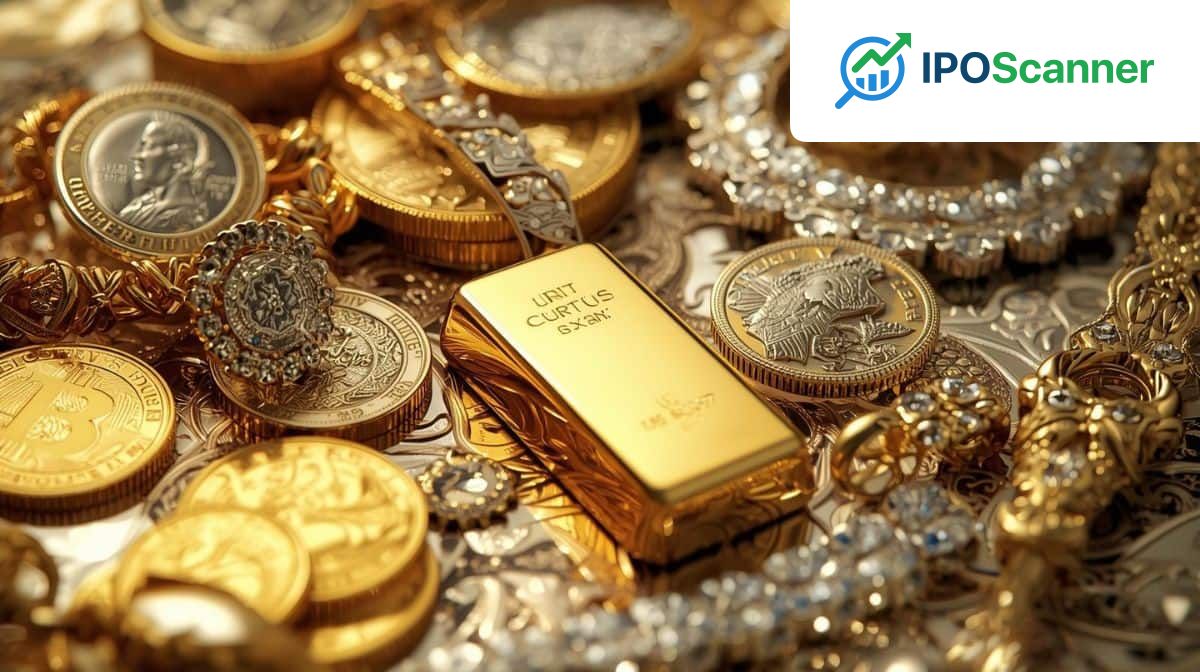
Government Sources: Duty Hike on Gold Aimed at Curbing Non-Essential Imports
Government Raises Customs Duty on Gold and Precious Metals Amid External-Sector Risk
The government has taken a decisive step to curb non-essential imports by raising customs duty on gold and other precious metals. The tariffs, which have been increased from 6 percent to 15 percent for gold and silver, and from 6.4 percent to 15.4 percent for platinum, are aimed at mitigating external-sector risk exacerbated by the West Asia conflicts.
The decision, taken on May 12, follows a day of heightened uncertainty arising from the Iran war. The government has also made adjustments to the duty on products such as gold and silver dore and coins. This carefully calibrated intervention is designed to encourage moderation in non-essential imports at a time when external vulnerabilities remain elevated.
The move comes two days after Prime Minister Narendra Modi urged austerity, suggesting that citizens put off gold purchases and non-essential foreign travel by a year to conserve energy and forex. The government is prioritizing foreign exchange use towards essential imports such as crude, fertilizers, industrial raw materials, defense requirements, critical technologies, and capital goods.
Read also: Treasury Yields Experience Largest Increase in Two Weeks Following Release of Labor Market Data
Current Account Deficit Concerns
India's vulnerability to elevated energy prices and supply-side disruptions has led to concerns over the Current Account Deficit (CAD). As a large importer of crude oil, the country remains exposed to fluctuations in global energy markets. In such circumstances, prudent management of the country's external sector becomes essential.
Customs duty adjustments have historically been used as a policy instrument to support macroeconomic stability and manage CAD-related pressures during periods of global volatility. The government is taking a balanced approach to manage external-sector risk while maintaining due regard for macroeconomic stability and long-term economic resilience.
Non-Essential Imports
Read also: US-Iran Tensions Spark Uptick in Oil Prices Amid Global Market Decline
Precious metal imports, while culturally and financially significant, are largely consumption and investment-driven and involve substantial outflows of foreign exchange. During periods of heightened geopolitical and commodity-market volatility, policymakers often seek to prioritize external resources towards areas with higher strategic and economic multiplier effects.
The measure represents a nationally responsible response to extraordinary external conditions. In contrast to the customs duty cuts announced in Union Budget 2024-25, which reduced duties on gold and silver from 15 percent to 6 percent, and platinum to 6.4 percent from 15.4 percent amid a relatively comfortable macroeconomic environment, this move marks a reversal.
| Precious Metal | Original Duty Rate | New Duty Rate |
|---|---|---|
| Gold | 6% | 15% |
| Silver | 6% | 15% |
| Platinum | 6.4% | 15.4% |
| Gold and Silver Dore | ||
| Coins |
Note: The duty rates for gold and silver dore, and coins are not specified in the original text.
Investor Takeaway
The government's decision to raise customs duty on gold and other precious metals may have a moderate impact on the economy in the short term.
More in Economy

Treasury Yields Experience Largest Increase in Two Weeks Following Release of Labor Market Data

US-Iran Tensions Spark Uptick in Oil Prices Amid Global Market Decline

MoSPI Releases Uniform Norms for DDP Estimates with 2022-23 Base Year

